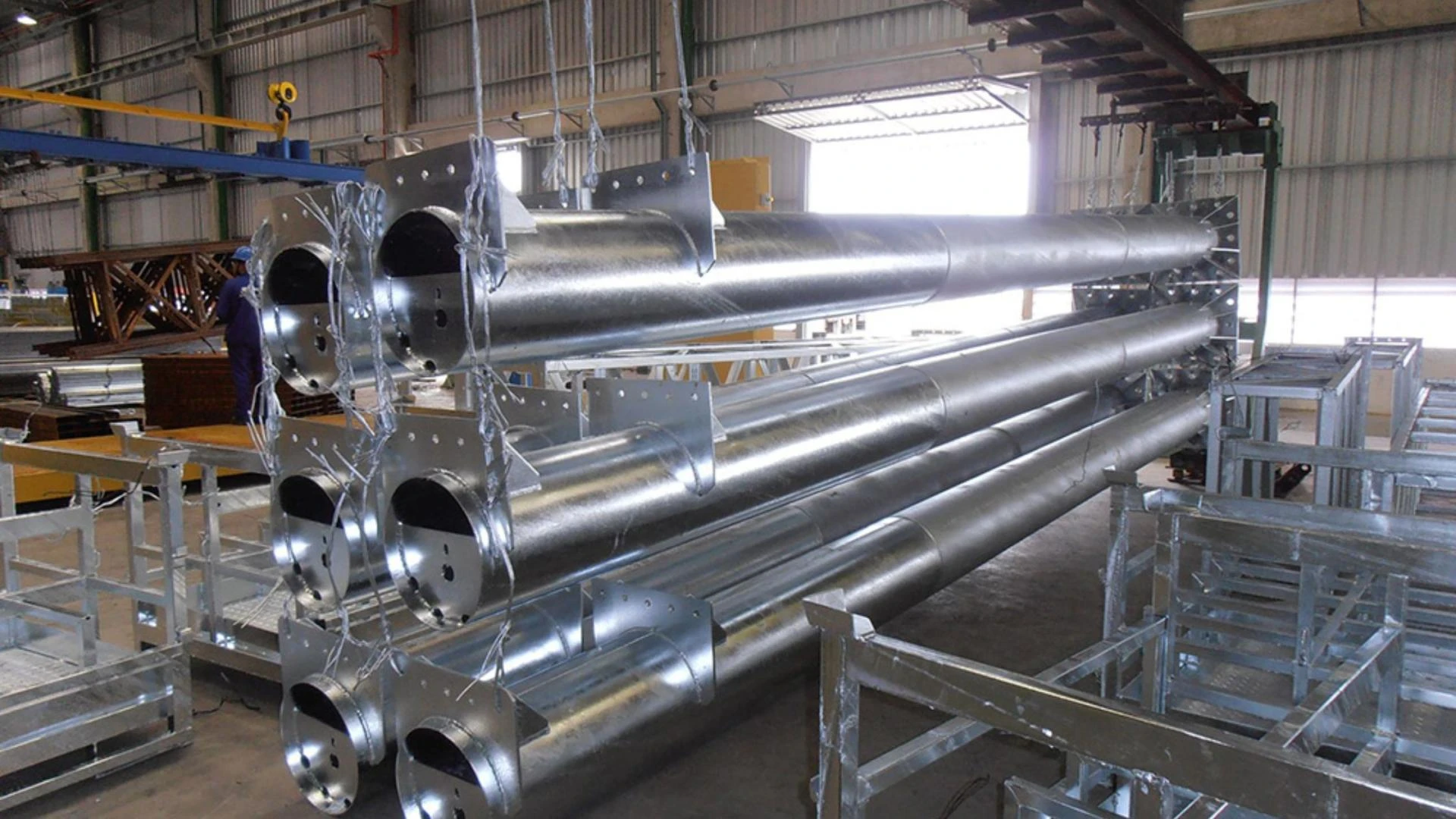

Corrosion is predictable. What varies is how seriously we plan for it. In my experience working with structural steel and industrial components, the question is rarely whether steel will corrode. The real question is how proactively we manage that risk.
I often get asked when Hot Dip Galvanizing makes sense and how to properly evaluate Hot Dip Galvanizing Companies before committing to a project. The answer depends on environment, lifecycle expectations, and execution quality. Below is the practical framework I use when advising teams.
Why I Still Trust Hot Dip Galvanizing for Long-Term Exposure
Hot Dip Galvanizing works because it is not just a coating. When steel is immersed in molten zinc, a metallurgical bond forms between the zinc and the base metal. The result is a surface that becomes part of the steel itself.
Over the years, I have seen galvanized components outperform painted systems in:
- Marine-adjacent infrastructure
- Rural utility installations
- Agricultural structures
- Industrial walkways and platforms
Even when the surface is scratched, the surrounding zinc continues to offer sacrificial protection. That redundancy is one of the reasons I often recommend galvanizing for projects where maintenance access will be limited.
When I Pause Before Specifying Hot Dip Galvanizing
Despite its strengths, Hot Dip Galvanizing is not always the perfect answer.
I typically reassess specifications when:
- A project demands architectural-grade finish uniformity
- Tight dimensional tolerances are critical
- The steel section design is prone to distortion under heat
- The project lifecycle is short-term
In those cases, other systems may offer better alignment with aesthetic or structural requirements. The key is to match environment and performance objectives rather than defaulting to tradition.
How I Evaluate Hot Dip Galvanizing Companies
Not all Hot Dip Galvanizing Companies operate with the same discipline. The process itself is standardised, but execution determines outcome.
When assessing a facility, I look at:
- Surface Preparation Protocols
Cleaning, pickling, and flux control directly impact coating integrity. - Bath Chemistry Monitoring
Consistency in zinc composition matters for predictable coating thickness. - Inspection Documentation
Thickness verification, ASTM compliance records, and traceability logs are non-negotiable in my evaluations. - Handling Practices
Improper lifting or staging can damage finished steel before it even leaves the plant.
In my view, selecting among Hot Dip Galvanizing Companies should be a quality decision first and a pricing decision second.
The Lifecycle Cost Lens I Encourage Clients to Use
One of the most common mistakes I see is comparing upfront coating costs without considering future maintenance.
With Hot Dip Galvanizing, initial cost may be higher than a basic paint system. However:
- Recoating cycles are dramatically reduced
- Labour disruption decreases
- Asset downtime risk declines
- Long-term corrosion liability is lower
On multi-decade infrastructure projects, I have watched galvanizing become the more economical solution within the first decade of service.
That longer-term framing changes procurement conversations quickly.
Where the Industry Is Moving
The galvanizing sector is becoming more transparent and performance-focused. Clients increasingly ask for:
- Environmental reporting
- Digital inspection logs
- Predictive corrosion modelling
As performance benchmarking improves, Hot Dip Galvanizing continues to hold a strong position in infrastructure, energy, and transportation sectors because of its durability profile.
At the same time, project owners are demanding greater accountability from Hot Dip Galvanizing Companies, especially regarding documentation and process control.
That shift is healthy. It rewards facilities that invest in discipline, not shortcuts.
My Perspective Moving Forward
If there is one principle I share consistently, it is this: corrosion strategy should be defined at the design stage, not after installation.
When Hot Dip Galvanizing aligns with environmental exposure, structural requirements, and lifecycle expectations, it can deliver decades of reliable performance. But the outcome depends heavily on choosing experienced Hot Dip Galvanizing Companies that prioritise process control and verification.
As part of my work with All Service Mechanical Galvanizing and Plating, I focus on helping fabricators and project teams think beyond minimum coating standards. The goal is not just compliance. It is durability, traceability, and long-term structural confidence.
That mindset is ultimately what separates a coated structure from a protected asset.


















Sign in to leave a comment.