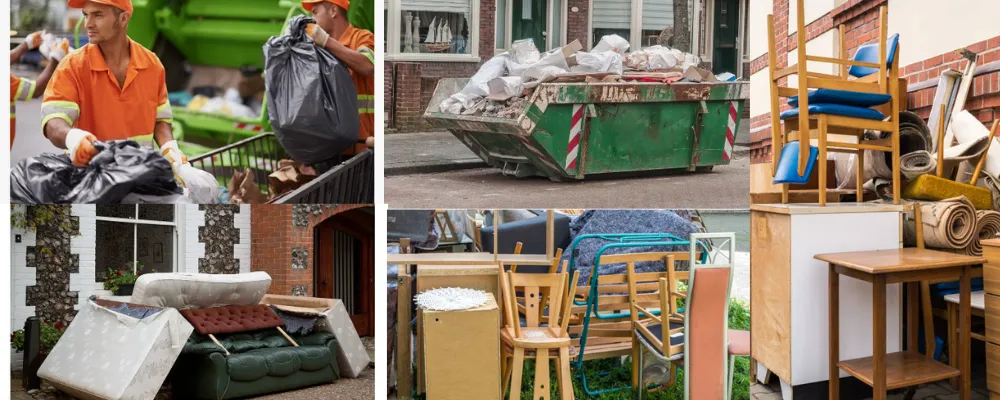
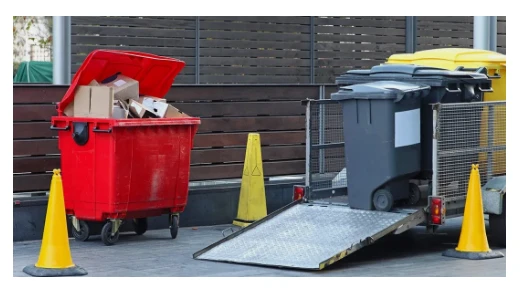
No one appreciates waste build up at any site, but particularly on commercial sites, it is natural. The problem is that this waste build up can build up very quickly in some cases, and not opting for bulk waste collection for one week can end up tightening access routes, slowing movement, and making safety a real concern. These situations mostly occur when bulk waste collection services are ignored or treated as optional.
WHAT HAPPENS WHEN STANDARD WASTE REMOVAL STOPS WORKING?
Skip bins are a good solution, but they are best suited to smaller, more predictable jobs. On active commercial sites, particularly construction sites or large landscaping sites, waste is unpredictable. You will notice the shift when –
- Bins fill within hours, not days
- Crews start stacking waste outside designated areas
- Site access gets blocked by debris
- You're paying for multiple bin swaps every week
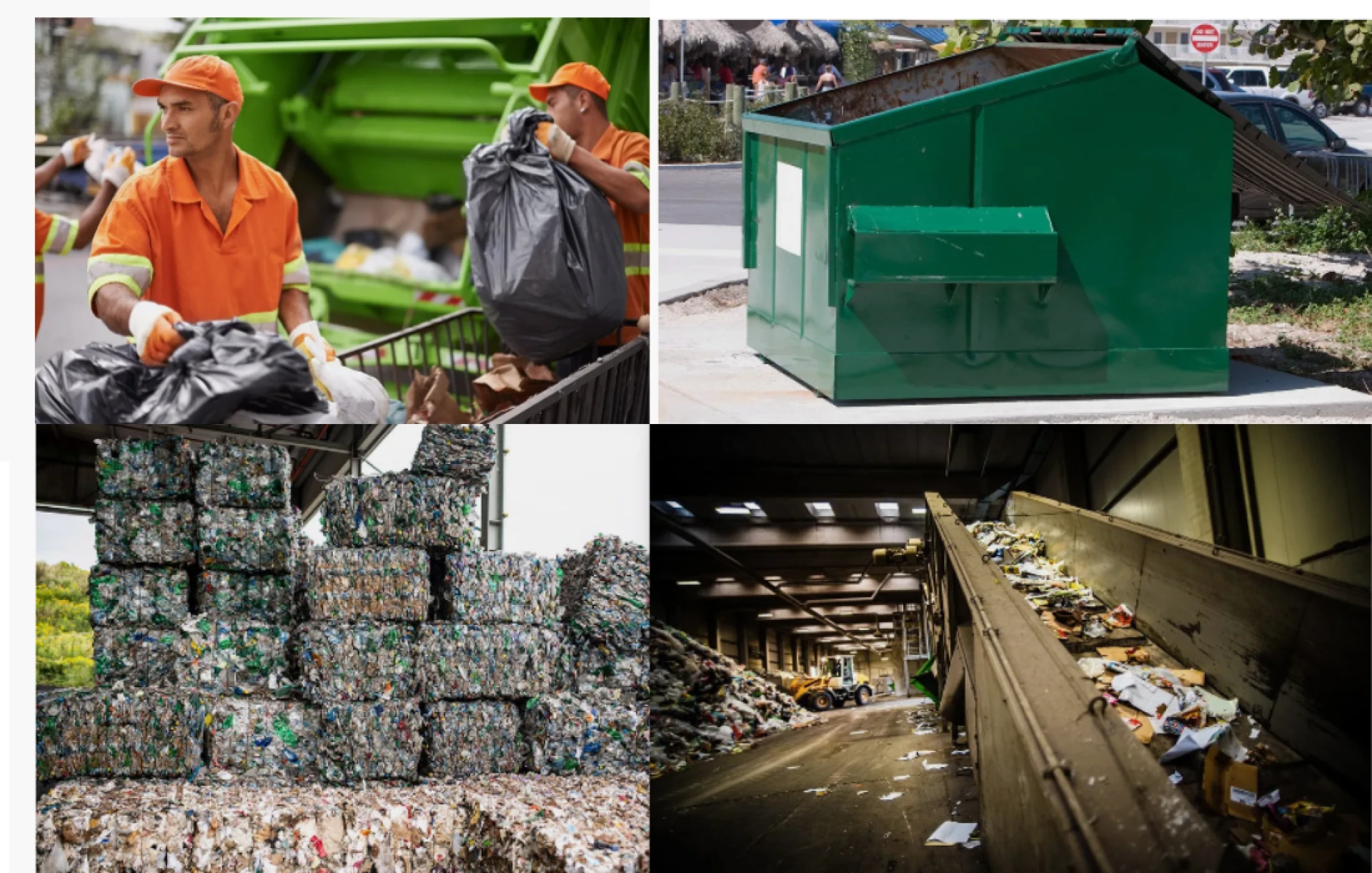
This is the situation when bulk waste collection becomes a more practical move. Instead of working around waste, you can remove it in volumes and keep the site clean, accessible and moving.
WHAT HIGH VOLUME PROJECTS DEMAND BULK WASTE COLLECTION?
Several different types of projects always outgrow standard waste removal setups and services offered by the waste collection agencies. A quick review of some projects is presented below.
CONSTRUCTION AND DEMOLITION SITES
- Concrete bricks, timber, and mixed waste take up quickly.
- They are more commonly visible around multistorey buildings and demolition sites in Sydney and other areas.
- Bulk waste collection services ensure that the materials keep flowing out and the site doesn't get blocked.
LARGE-SCALE LANDSCAPING PROJECTS
Excavation jobs generate a large amount of waste, including soil, green waste, and rubble.
One rain situation can double up the mess and waste collection services, and ensure that you handle this surge without any major headache.
INDUSTRIAL CLEAN-UPS
Warehouse sprit-outs, or factory upgrades, often involve heavy, awkward waste being generated.
Skip bins will never be effective here, and only bulk waste removal services can clear the entire zone in a single run.
COST SIGNALS YOU SHOULDN'T IGNORE
A lot of site managers stick with bins longer than they should. It feels cheaper upfront, and in practice, it rarely is.
WATCH FOR:
- Frequent bin hire fees are stacking up
- Labour wasted moving waste around instead of removing it
- Delays caused by full bins waiting for collection
Bulk waste collection often reduces total spend simply by cutting those inefficiencies. Fewer pickups. Less handling. Faster turnaround.
COMPLIANCE PRESSURE IS ANOTHER TRIGGER
Australian agencies don't take waste compliance lightly. Local councils and state bodies enforce strict rules around disposal, particularly for construction and commercial waste that is often generated in bulk. According to the rules and regulations, sites generating large volumes must:
- Sort materials correctly
- Dispose of through approved facilities
- Maintain clear records
- Many operators underestimate this, and from here, the fines follow.
They must comply with the rules and regulations outlined in the Department of Climate Change, Energy, the Environment, and Water's guidelines. Disposal requirements and penalties are also outlined by the EPA in every state. Service providers have the responsibility to ensure these requirements are fulfilled and to provide services such as managing, sorting, and transporting, while reducing compliance risks to zero.
WHEN TIMELINES TIGHTEN?
Deadlines shift. Weather delays hit. Trades overlap. Waste builds faster than planned.
- That's when flexibility matters, and bulk waste collection works best when:
- You need rapid site clear-outs
- Waste volume spikes unexpectedly
- Access windows are limited (common in metro areas)
FAQs
WHEN SHOULD I SWITCH FROM SKIP BINS TO BULK WASTE COLLECTION?
- When bins fill too quickly, require constant swapping, or start slowing site operations.
IS BULK WASTE COLLECTION MORE EXPENSIVE?
- Not usually at scale.
- It often reduces overall costs by cutting handling time and repeated hiring fees.
WHAT TYPES OF WASTE CAN BE REMOVED IN BULK?
- Construction debris, green waste, soil, timber, concrete, and mixed commercial waste.
DO I NEED TO SORT WASTE BEFORE BULK COLLECTION?
- Basic separation helps.
- Most providers handle sorting to meet compliance standards.
IS BULK WASTE COLLECTION SUITABLE FOR SMALL PROJECTS?
- Generally no.
- It's better suited to high-volume or fast-moving sites.
WRAPPING IT UP
Waste doesn't just sit there. It clogs up the gears of a busy commercial site. One day, you have a clear workspace, and the next, piles of debris are eating your margins and stalling the crew.
Bulk waste collection isn't a luxury. It's the pivot point where volume meets compliance. A sharp shift in how you move material does more than clear the floor — it keeps the project on the rails.

























Sign in to leave a comment.