

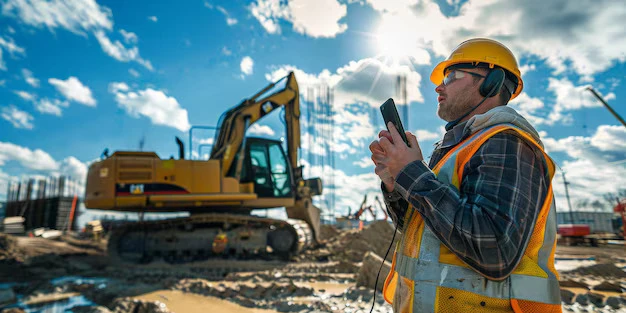
Choosing the right equipment on a job site can affect both speed and accuracy in ways that are not always obvious at the start. Contractors often compare machines based on cost or availability, but the real difference comes from how each tool performs in specific conditions. A GPS excavator can transform grading and excavation tasks by improving precision, while other machines handle flexibility and access better in tight or fast-moving environments.
Understanding when to use each machine helps reduce rework, save fuel, and keep projects on schedule.
What a GPS Excavator Actually Does
A GPS-controlled excavator uses machine control technology to guide the operator during digging and grading. It relies on satellite positioning and digital site plans to ensure accuracy across the entire project.
Instead of relying only on manual measurements, the system shows the operator exactly where to cut or fill. This reduces guesswork and keeps the work aligned with design specifications.
These machines are commonly used in large-scale construction projects where precision is critical from the start.
What a Skid Steer Brings to the Job Site
A skid steer is a compact and highly versatile machine designed for quick tasks and tight spaces. It uses interchangeable attachments to handle different types of work without needing multiple machines.
Operators often rely on skid steers for tasks that require flexibility rather than heavy digging. Their small size allows them to move easily around obstacles and confined areas.
Because of this, they are widely used across residential, commercial, and landscaping projects.
Key Differences Between the Two Machines
Although both machines support construction work, they serve very different purposes on site. Knowing these differences helps you avoid using the wrong tool for the job.
GPS excavators focus on precision digging and grading over large areas
Skid steers prioritise flexibility and quick movement in limited spaces
Excavators handle deeper and heavier excavation tasks efficiently
Skid steers support multiple attachments for varied tasks throughout the day
These differences make each machine valuable in its own way.
When to Use a GPS Excavator
A GPS excavator works best when accuracy and scale matter more than speed alone. It reduces the need for manual measurements and improves consistency across large projects.
Use a GPS excavator when:
You need precise grading for roads, foundations, or large sites
The project involves detailed excavation based on digital plans
Reducing rework and material waste is a priority
The site covers a large area with minimal space restrictions
These situations benefit from machine control technology that keeps every cut aligned with the plan.
When a Skid Steer Is the Better Choice
A skid steer performs best in situations where flexibility and access are more important than precision grading. It allows operators to switch tasks quickly without changing machines.
Use a skid steer when:
You are working in tight or restricted job site areas
The project requires multiple attachments for different tasks
Quick loading, lifting, or material movement is needed
The job involves short-duration or smaller-scale work
This makes skid steers ideal for projects that require speed and adaptability.
Choosing the Right Machine for Your Project
The right choice depends on the type of work, the size of the site, and the level of precision required. There is no single machine that fits every situation.
Consider these factors before deciding:
Project size and whether it involves large-scale excavation
Required accuracy and tolerance levels for grading work
Site conditions, including space limitations and obstacles
Timeline and whether speed or precision matters more
Balancing these factors helps you select equipment that matches your project needs.
Combining Both Machines for Better Results
Many job sites benefit from using both machines together rather than choosing only one. Each machine supports different stages of the workflow.
A GPS excavator can handle initial excavation and grading with high precision. After that, a skid steer can manage finishing tasks, material handling, and site cleanup.
This combination improves efficiency while reducing delays caused by switching between tools.
Before making equipment decisions, many contractors explore skid steer hire options to ensure they have flexible support for smaller or fast-moving tasks without committing to additional equipment costs.
Conclusion
Both GPS excavators and skid steers play important roles in modern construction projects. The key is understanding what each machine does best and applying it to the right situation.
By choosing equipment based on project needs rather than convenience, you can improve accuracy, reduce waste, and complete work more efficiently. The right combination of tools often delivers the best results on any job site.

























Sign in to leave a comment.