
Transport corridors demand strict access control, durable materials and compliant installation practices. In these environments, riw fencing is commonly considered where work occurs near active rail lines, stations and controlled infrastructure zones. These areas involve high risk conditions, restricted access requirements and coordination with multiple stakeholders. Selecting the right fencing approach helps manage public safety, prevent trespass and maintain operational continuity across construction, logistics and government projects.
High risk areas near active rail lines
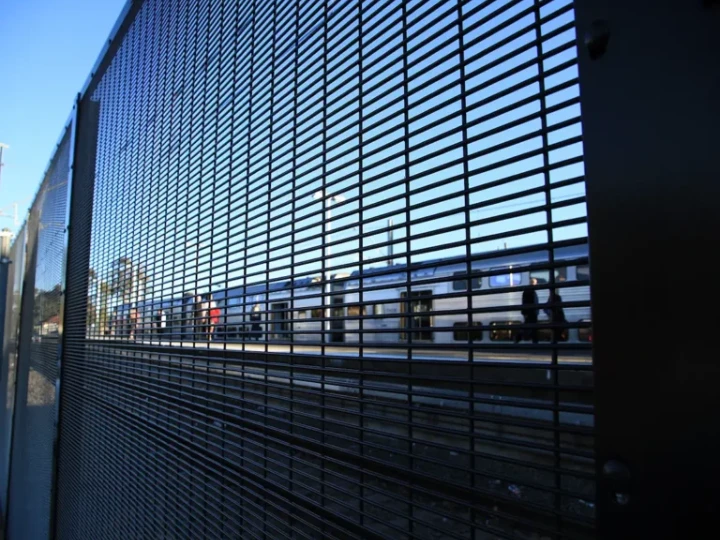
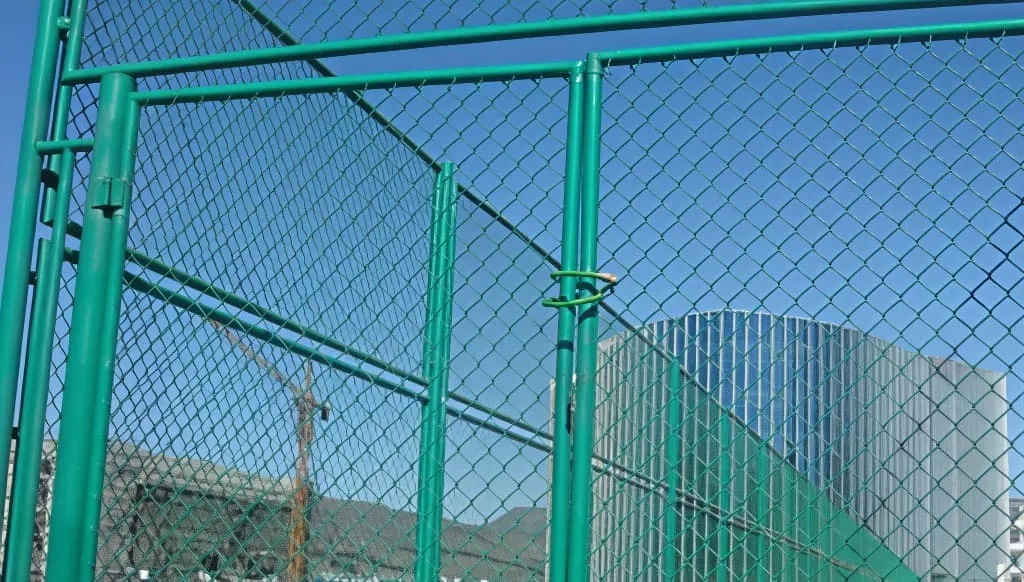
Rail corridors experience constant movement, vibration and public interface. Fencing in these locations must reduce climbability while maintaining clear visibility for monitoring. Mesh based systems are often used to limit footholds and prevent objects from being passed through to tracks. In higher risk zones, Palisade fencing may also be incorporated to create a strong physical and visual barrier. This combination helps manage access without restricting surveillance along transport boundaries.
Stations and public interface zones
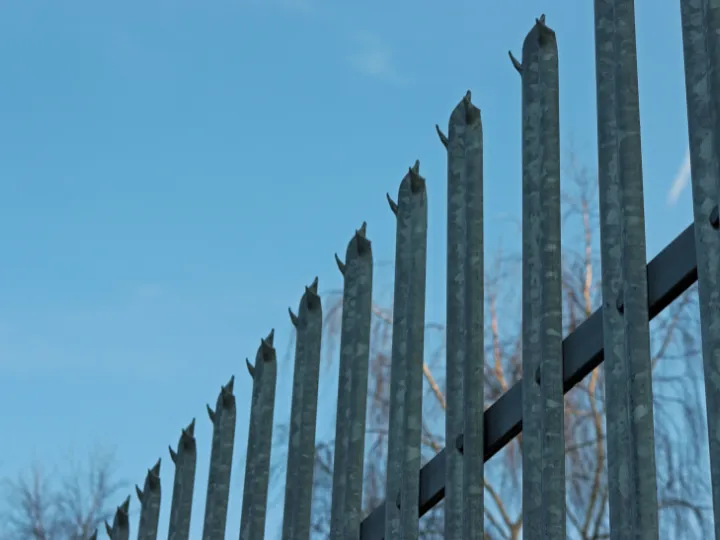
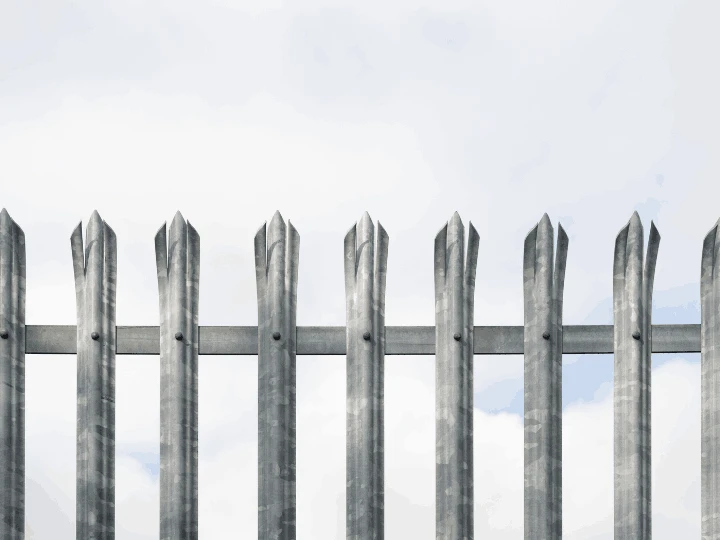
Stations introduce complex pedestrian movement and increased interaction with infrastructure. Fencing in these areas must guide flow while preventing unauthorised entry. Controlled entry points, structured alignment and consistent height all contribute to safer environments. Palisade fencing is often selected in these locations due to its vertical steel pales and deterrent profile. It provides clear boundary definition while maintaining durability in high traffic areas.
Construction works within transport corridors
Temporary and staged works near rail assets require fencing that supports safe work zones. Separation between active tracks, plant movement and public areas must be clearly defined. Installations are typically designed to align with site access plans and operational constraints. Heavy duty posts, secure fixings and appropriate embedment depth help address vibration and ground conditions. Palisade fencing is frequently used where stronger perimeter protection is required throughout construction phases.
Logistics and maintenance compounds
Transport corridors often include signalling assets, substations and maintenance yards. These locations store critical equipment and require controlled access. Fencing solutions must support security while allowing visibility for inspections. Palisade fencing is commonly used around compounds due to its strength and resistance to tampering. Combined with lockable gates, it assists in managing authorised access without interrupting maintenance operations.
Government infrastructure and education precincts near rail
Some transport corridors pass close to public facilities such as schools, depots and government buildings. In these cases, fencing must balance safety with surrounding land use. Durable materials, consistent finishes and defined alignment contribute to both protection and visual integration. Palisade fencing can be used where increased deterrence is required, particularly in areas exposed to public movement or potential vandalism.
Emergency access considerations
Transport corridor fencing must also allow authorised access for emergency services. This requires strategic gate placement and compatible locking systems. Installations are planned to maintain perimeter integrity while supporting response requirements. Clear access points help avoid delays and ensure operational readiness across critical infrastructure.
Transport corridors present unique safety challenges that require structured boundary solutions, durable materials and compliant installation. From active rail lines to maintenance compounds, fencing plays a key role in managing access and protecting infrastructure. Palisade fencing is often selected in higher risk zones due to its strength, visibility and deterrence. Careful planning, appropriate materials and coordinated access design all contribute to safer outcomes across commercial and government projects. For works occurring near controlled rail environments, riw fencing is typically used where compliance, safety and operational coordination are essential.
FAQs
1. When is riw fencing required in transport corridors?
It is typically required when work is performed near active rail infrastructure where controlled access, compliance and safety measures must be maintained.
2. Is riw fencing suitable for government infrastructure projects?
Yes. It is commonly used for rail adjacent government works, stations, depots and controlled transport environments.
3. Why is Palisade fencing used in transport corridor safety?
Palisade fencing provides strong deterrence, high durability and clear boundary definition in high risk rail environments.
4. Can riw fencing be used for logistics compounds near rail lines?
Yes. It is often applied around equipment yards, signalling areas and maintenance facilities within transport corridors.
5. Does riw fencing support education facilities near rail infrastructure?
It is used where schools or campuses sit close to rail boundaries and require secure separation from transport assets.























Sign in to leave a comment.