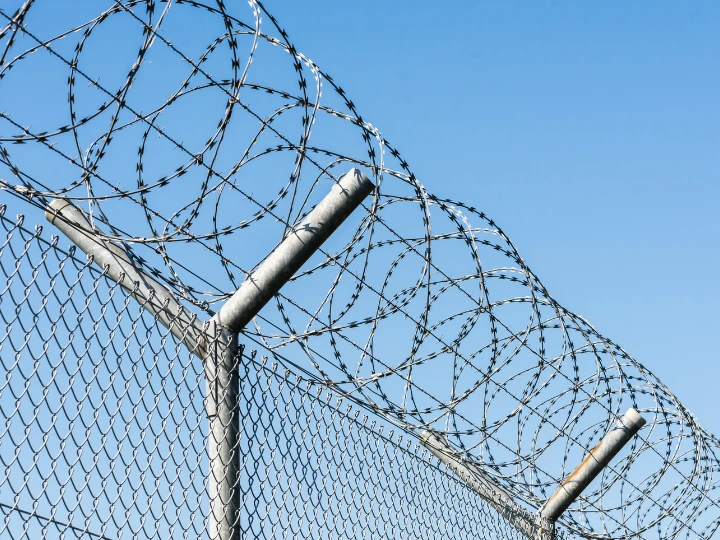

Modern digital infrastructure requires layered security approaches that combine physical barriers with intelligent monitoring. In large-scale commercial and government projects, data centre fencing plays a critical role in protecting sensitive assets while supporting operational continuity. As infrastructure expands across construction, logistics, education, and government sectors, integrating surveillance systems with perimeter design has become an essential planning consideration rather than an optional upgrade.
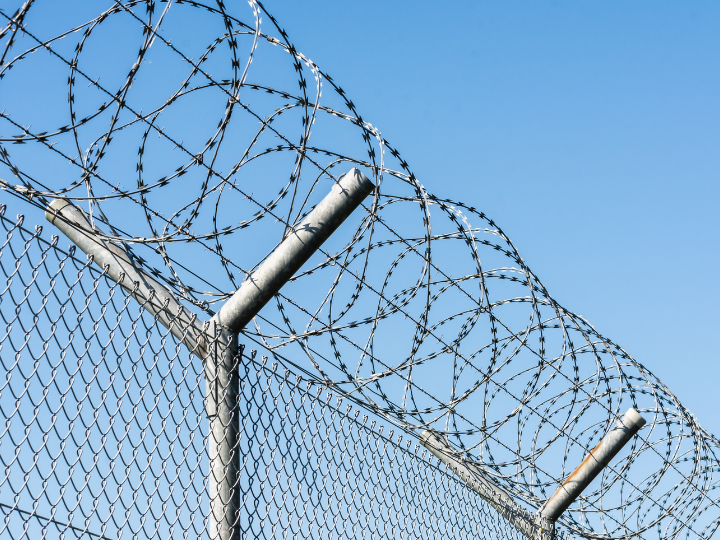
The Role of Perimeter Security in Critical Infrastructure
Data centres are high-value facilities that store essential digital and operational information. Because of this, perimeter protection must be designed to prevent unauthorised access while allowing authorised movement without disruption. A well-designed data centre fence provides a physical deterrent, establishes clear boundaries, and supports compliance with security and safety requirements commonly specified in Australian infrastructure projects.
When integrated with surveillance systems, fencing becomes more than a barrier. It acts as the first detection point in a broader security ecosystem, enabling faster response times and reducing the risk of intrusion or operational interference.
Surveillance Integration for Enhanced Protection
Modern surveillance technologies allow fencing systems to function as part of an active monitoring network. Cameras, motion detection sensors, and thermal imaging equipment can be strategically installed along perimeter lines to provide continuous coverage. This approach ensures that potential security threats are identified before they reach critical infrastructure zones.
Integration also allows for automated alerts and remote monitoring, which is particularly valuable for government and logistics facilities operating across large or multiple sites. Security teams can respond proactively, reducing reliance on manual patrols and improving overall site efficiency.
Planning for Scalability and Future Expansion
Infrastructure projects rarely remain static. Expansion planning is therefore essential when designing perimeter security systems. Surveillance infrastructure should allow for additional cameras, upgraded detection technology, and extended coverage as facilities grow.
A modular approach to fencing design allows new sections to be added without compromising existing security measures. Planning conduit routes, power access, and mounting positions early in the project prevents costly retrofitting later. For construction and education sector projects, this forward-thinking approach ensures long-term value and operational flexibility.
Compliance and Operational Considerations
Australian infrastructure projects often require strict adherence to safety and security standards. Integrating surveillance with perimeter solutions supports compliance by providing clear visibility, audit trails, and incident recording capabilities. This is particularly important for government facilities and high-security environments where documentation and accountability are mandatory.
Operational efficiency must also be considered. Surveillance systems should integrate seamlessly with access control points, gates, and monitoring software to minimise delays while maintaining strong protection levels. The goal is to achieve security without creating bottlenecks for authorised personnel or service providers.
As digital infrastructure continues to expand across commercial and public sectors, security strategies must evolve beyond standalone solutions. Combining intelligent monitoring with physical perimeter design strengthens protection, improves response capabilities, and supports long-term scalability. For organisations planning future-ready infrastructure, integrating surveillance technologies into data centre fencing ensures a balanced approach that meets both operational and security expectations.
FAQs
1. What is data centre fencing used for in infrastructure projects?
It provides secure perimeter protection, access control support, and integration with surveillance systems for critical facilities.
2. How does a data centre fence improve security outcomes?
It creates a physical barrier while supporting cameras, sensors, and monitoring systems that detect unauthorised activity early.
3. Why is surveillance integration important for data centre fence design?
Integrated surveillance improves visibility, response time, and compliance with security standards in commercial and government environments.
4. Can data centre fencing support future facility expansion?
Yes, modular designs allow fencing and surveillance systems to expand alongside infrastructure growth.
5. What sectors benefit most from data centre fence solutions?
Construction, logistics, government infrastructure, and education sectors benefit from secure and scalable perimeter systems.





























Sign in to leave a comment.