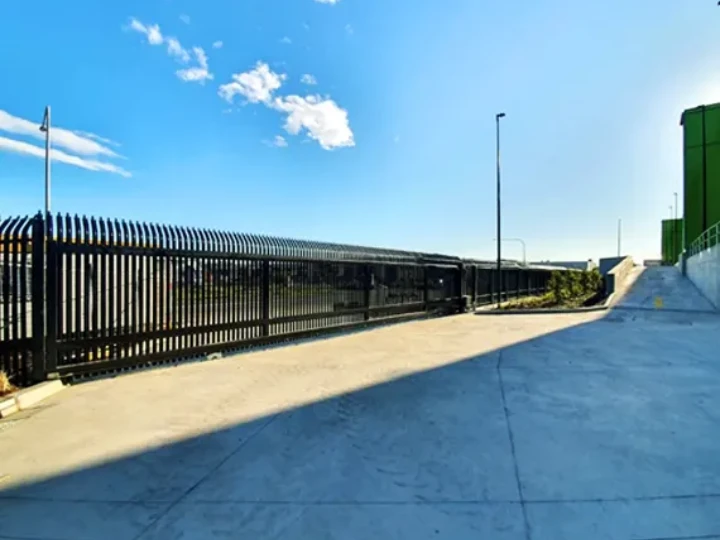

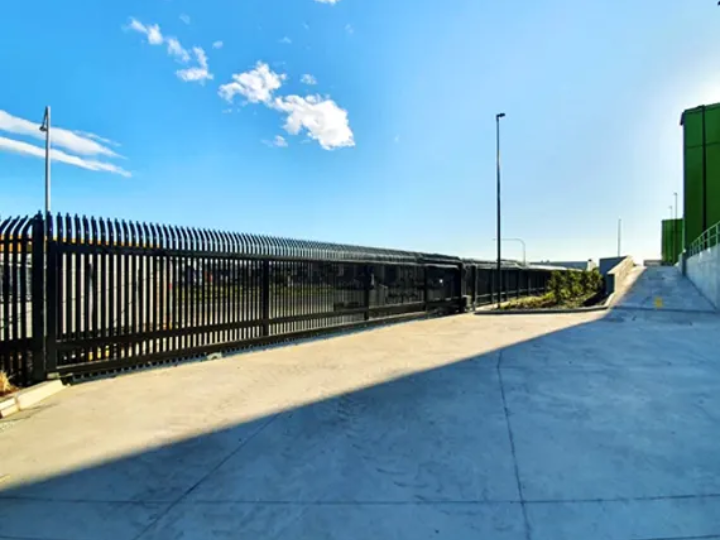
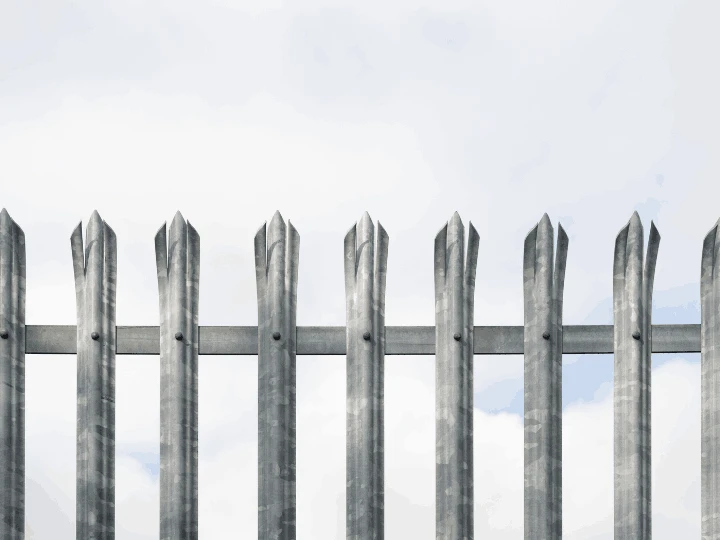
A data centre fence forms the first layer of physical protection for critical digital infrastructure, but true security relies on how well it integrates with controlled gate systems. As Australia’s data footprint grows across commercial, government, and cloud sectors, physical perimeters must handle both threat deterrence and practical site movement without slowing operations.
Understanding the Role of Controlled Access
Controlled gate systems manage who enters restricted areas and how quickly they can do so. Unlike open industrial sites, data facilities require strict identification checks, automated tracking, and continuous monitoring to protect sensitive assets. The fence supports these systems by guiding movement to authorised access points only, reducing vulnerabilities in the wider perimeter.
Supporting Security Layers
Modern physical security relies on layers, not single solutions. Gates, fences, surveillance, lighting, and access control work best when integrated. Clear zoning prevents accidental entry into secure precincts and minimises operational bottlenecks for deliveries, staff, and maintenance.
Gate System Types for Data Facilities
Sliding and Swinging Gates
These are commonly used for vehicle lanes and delivery bays. They allow vehicles to enter while maintaining a sealed perimeter when closed. Sliding variants suit high-traffic lanes, while swinging systems may suit smaller spaces with moderate flow.
Turnstiles and Pedestrian Control
Pedestrian gates often include card or FOB authentication. Turnstiles add accountability, allowing site operators to record staff movement, reducing tailgating risks, and enabling emergency lockout protocols.
Vehicle Barriers and Multi-Lane Access
Vehicle barriers prevent forced entry and can integrate with visitor screening systems. In larger precincts, multi-lane traffic management helps differentiate between contractors, staff, and logistics providers, especially in sites located near busy commercial centres or hospitality precincts.
Integrating with Surveillance and Monitoring
Camera and Sensor Compatibility
For controlled gate systems to function efficiently, surveillance must cover approach paths, waiting lanes, and all access points. Sightlines matter: operators need visibility to verify credentials and ensure unauthorised individuals cannot piggyback into restricted areas.
Lighting and Operational Safety
Strategic lighting supports night operations, improves camera performance, and deters opportunistic entry. In mixed-use urban environments — including areas surrounded by cafes, shopping strips, and high foot traffic — lighting design also contributes to urban amenity and worker comfort.
Designing for Operational Flow
Balancing Security with Convenience
The strongest security systems are those that function without inhibiting essential movement. Data facility operators must consider arrival peaks, contractor schedules, service windows, and emergency protocols when selecting gate systems. Overly restrictive access can slow site efficiency, while overly permissive access increases risk.
Signage, Circulation and Wayfinding
Clear signage reduces confusion for visitors and ensures deliveries don’t obstruct pedestrian access or commercial amenities nearby. In dense precincts, wayfinding protects footpaths, drop-off zones, and landscaped public spaces.
Material, Durability and Compliance Considerations
Strength and Weather Resistance
Gate systems and fencing must withstand prolonged use and environmental conditions. Corrosion-resistant materials, powder-coated finishes, and robust locking hardware help minimise maintenance costs and extend lifespan.
Compatibility with Data Centre Fencing
Controlled access points are only as secure as the fencing connected to them. Secondary barriers or data centre fencing may be applied for internal zoning, high-security rooms, or protected power and cooling infrastructure.
Integrating gate systems with perimeter solutions ensures physical security remains efficient, accountable, and resilient. When surveillance, access control, operational flow, and material durability are designed in harmony, facilities can maintain strict protocols without disrupting daily operations. In an increasingly digital environment, a well-planned data centre fence allows controlled gate systems to operate as intended and reinforces protection where it matters most.
FAQs
Q1. What do controlled gate systems contribute to data security?
They manage authorised access, reduce tailgating risks, and maintain accountability for site movement.
Q2. Can controlled gates work without fencing?
No. Fencing directs traffic to secure entry points and provides perimeter containment.
Q3. What types of gates suit high-traffic facilities?
Sliding vehicle gates often suit busy access lanes due to their speed and space efficiency.
Q4. Why do mixed-use areas need careful circulation design?
They avoid conflict with pedestrians, hospitality venues, and delivery operations around the facility.
Q5. Is surveillance necessary for controlled gate systems?
Yes. Cameras, lighting and sensors enhance identification, monitoring, and overall security outcomes.


























Sign in to leave a comment.