

Tattoos often tell a story. They can represent a meaningful moment, a personal achievement, a favorite piece of art, or even a phase of life that once felt important. But people change. What seemed like the perfect design years ago may not feel the same today.
If you've been thinking about removing an old tattoo, you're certainly not alone. More people than ever are exploring their options and learning that modern tattoo removal techniques can offer impressive results. Whether you're hoping to completely remove a design or simply fade it enough for new artwork, understanding the process can help you make a confident decision.
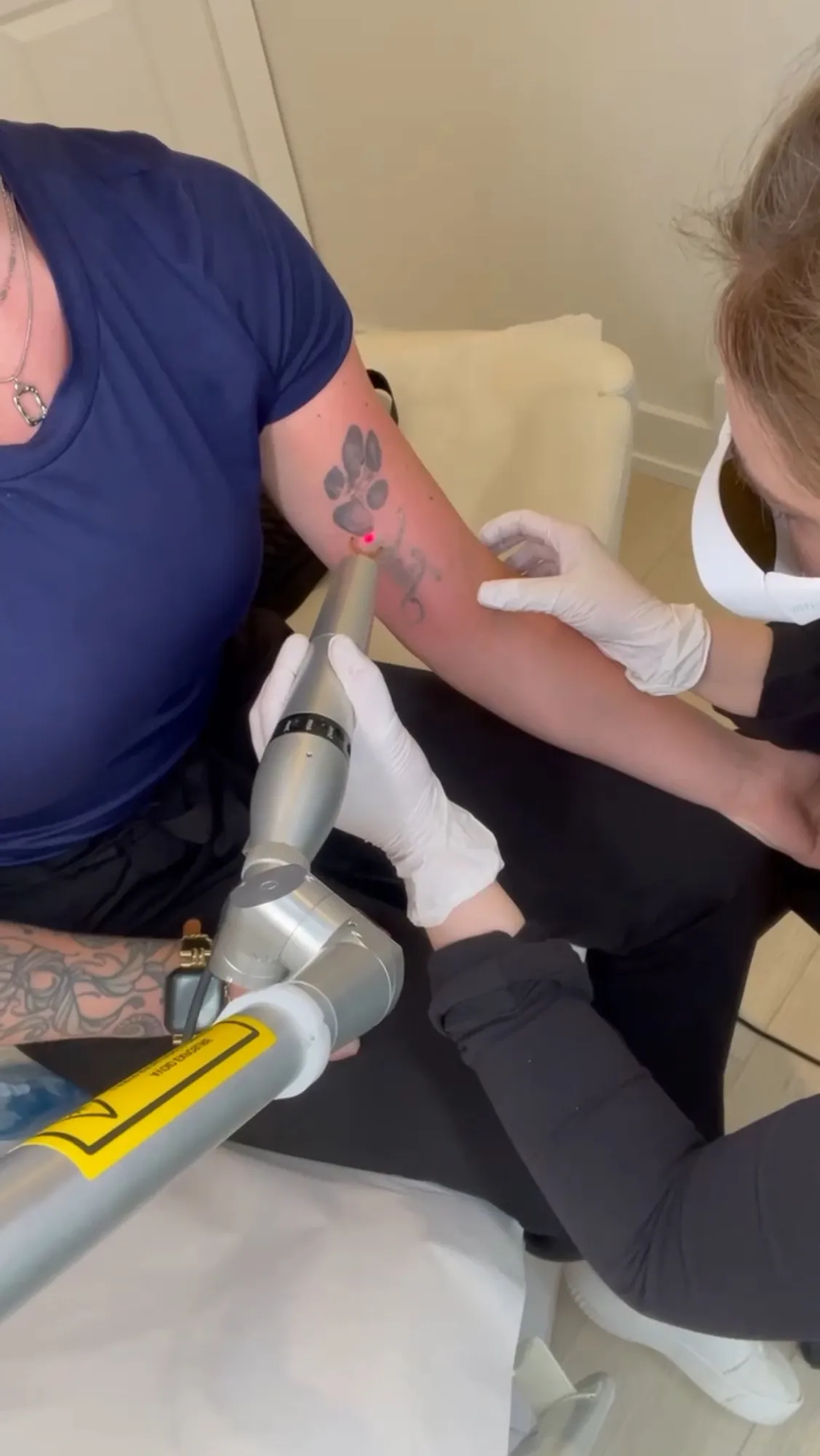
For those considering laser tattoo removal in Hamilton, knowing what to expect can make the experience feel much less overwhelming. This guide breaks everything down in simple terms, without confusing medical language, so you can better understand how tattoo removal works and what the journey may look like.
Why People Decide to Remove Tattoos
There are countless reasons someone may choose to remove a tattoo.
For some, the design no longer reflects their personality. Others may have a tattoo connected to a relationship, hobby, or life chapter that has come to an end. In certain situations, career goals can influence the decision as well.
Sometimes there isn't even a negative reason behind it. A person may simply want a fresh canvas or a new design that better represents who they are today.
Think of tattoos like clothing styles. What felt right ten years ago may not match your current taste. Just because you once loved something doesn't mean you're required to keep it forever.
Understanding What Happens Beneath the Skin
To understand tattoo removal, it helps to know why tattoos stay visible in the first place.
When a tattoo is created, ink is placed beneath the outer layer of skin. The particles are larger than what your body can easily remove on its own, which is why the image remains visible year after year.
Laser technology works by targeting those ink particles and breaking them into much smaller pieces.
Imagine dropping a large chocolate bar into a cup of hot coffee. It would take a long time to dissolve. Now imagine breaking that same chocolate bar into tiny crumbs before adding it. The smaller pieces would disappear much faster.
The same idea applies to tattoo ink. Once the particles are broken into smaller fragments, your body can gradually clear them away over time.
Why Results Don't Happen Overnight
One of the most common misunderstandings about tattoo removal is the belief that it happens instantly.
Many people are surprised to learn that multiple treatments are usually needed.
A good way to think about it is like removing layers of paint from an old piece of furniture. One sanding session helps, but it rarely removes every layer. Progress happens gradually with repeated effort.
Each treatment breaks apart more ink. Afterward, your body continues working behind the scenes to remove the fragmented particles. This process takes time, which is why appointments are spaced apart rather than scheduled back-to-back.
Patience plays a major role in achieving successful results.
What Affects the Number of Sessions?
No two tattoos are exactly alike.
Some fade relatively quickly, while others require additional treatments. Several factors contribute to this difference.
The Size of the Tattoo
A larger tattoo contains more ink, which typically means a longer removal process.
The Colors Used
Dark inks often respond differently than brighter colors. Some pigments can be more challenging to break down.
The Age of the Tattoo
Older tattoos may have already experienced natural fading, which can sometimes work in your favor.
Placement on the Body
The location of the tattoo can influence how efficiently your body clears away broken-down ink particles.
Ink Concentration
Professional tattoos often contain more ink than amateur designs, which may affect treatment duration.
Because of these variables, an experienced provider will evaluate each tattoo individually rather than offering a one-size-fits-all estimate.
What Does Treatment Feel Like?
Pain is one of the biggest concerns people have before starting tattoo removal.
The truth is that everyone's experience is different.
Many individuals describe the sensation as a quick snapping feeling against the skin. Others compare it to tiny bursts of heat or the flick of a stretched elastic band.
Fortunately, treatment sessions are often shorter than people expect. A small tattoo may only take a few minutes to treat.
Modern clinics frequently use cooling systems or comfort measures to help make the experience more manageable.
While the sensation isn't completely painless, most people find it easier to tolerate than they originally imagined.
What Happens After Each Appointment?
After treatment, the skin begins a natural healing process.
You may notice temporary effects such as:
- Redness
- Mild swelling
- Tenderness
- Slight sensitivity
These reactions are generally expected and usually improve over the following days.
Following aftercare instructions is an important part of the process. Proper care helps support healthy healing and can contribute to better overall results.
Many people are able to resume their normal routines relatively quickly, although protecting the treated area from excessive sun exposure is typically recommended.
The Role of Your Immune System
One aspect of tattoo removal that surprises many people is how much work the body actually does.
The laser's job is only part of the process.
Once the ink particles are broken apart, your immune system helps remove them over time. This means the fading continues long after you leave the clinic.
Think of the laser as a demolition crew breaking down an old building. After the structure is dismantled, cleanup crews still need to haul away the debris. Your body acts as that cleanup crew.
Because this process takes time, visible improvements often continue between appointments.
Can Every Tattoo Be Completely Removed?
Modern tattoo removal technology can achieve remarkable results, but complete removal varies from person to person.
Some tattoos fade until they are barely noticeable. Others may leave behind a faint trace or slight discoloration.
Several factors influence the final outcome, including:
- Ink type
- Color combination
- Tattoo depth
- Individual skin characteristics
- Overall healing response
A professional consultation helps establish realistic expectations before treatment begins.
The goal is not to promise perfection but to achieve the best possible result for each individual case.
Why Choosing the Right Provider Matters
Tattoo removal is a process, not a single event.
That's why selecting the right clinic is important.
When researching providers, consider factors such as:
Experience
A provider with extensive experience treating different tattoo styles and skin types can offer valuable insight.
Modern Equipment
Technology continues to evolve, and newer systems are often designed to improve effectiveness and comfort.
Honest Communication
Trustworthy clinics explain both the advantages and limitations of treatment instead of making unrealistic promises.
Personalized Planning
Every tattoo is unique. Treatment recommendations should be tailored to your specific goals.
Many individuals seeking tattoo removal choose providers such as Erase My Ink because they value a personalized approach and a commitment to client education throughout the process.
Tattoo Removal for Cover-Up Projects
Not everyone wants to erase a tattoo completely.
In fact, many people pursue tattoo removal specifically to prepare for a cover-up.
When an old tattoo is lightened, tattoo artists often have more flexibility when creating new artwork. Lighter designs can be easier to cover and may allow for a wider range of creative possibilities.
Imagine trying to write on a whiteboard that still contains dark marker lines from a previous drawing. Cleaning away some of those lines first gives you more room to create something new.
Partial fading can often be an excellent option for individuals planning future tattoo work.
Common Myths About Tattoo Removal
There are many misconceptions surrounding the process.
Myth: One Session Is Enough
Most tattoos require multiple treatments.
Myth: Old Tattoos Cannot Be Removed
Many older tattoos respond very well to modern removal methods.
Myth: Tattoo Removal Is Only for Regret
People seek removal for many reasons, including career changes, cover-ups, and evolving personal preferences.
Myth: Results Stop Between Sessions
Your body continues removing fragmented ink during the weeks following treatment.
Myth: Every Tattoo Responds the Same Way
Each tattoo is unique, which is why treatment plans vary.
Looking at Tattoo Removal as a New Beginning
Choosing to remove a tattoo doesn't erase your past. Instead, it allows you to make decisions that better reflect your present.
Life is constantly changing. The things that mattered years ago may no longer carry the same significance today. Tattoo removal gives people the flexibility to adapt and move forward without feeling permanently tied to an earlier version of themselves.
Whether your goal is complete removal or creating space for new artwork, the process can be an empowering step toward a fresh start.
Conclusion
Tattoo removal has become a practical option for people who want to reduce or eliminate unwanted ink. Thanks to modern technology, many tattoos can be significantly faded or removed over time with a series of carefully planned treatments.
Success requires patience, realistic expectations, and guidance from an experienced provider. While every tattoo responds differently, understanding the process can help you feel more prepared and confident about your decision.
If you're considering tattoo removal, learning how it works and exploring your options is the first step toward creating the look you want moving forward.
Frequently Asked Questions
How long does tattoo removal usually take?
Most people require multiple sessions spread over several months. The exact timeline depends on the tattoo's size, color, age, and other factors.
Is laser tattoo removal safe?
When performed by trained professionals using appropriate equipment, it is widely considered a safe and effective treatment option.
Can colorful tattoos be removed?
Yes. Many colored tattoos can be treated successfully, although some shades may require additional sessions.
Will the tattoo disappear completely?
Results vary. Some tattoos fade almost entirely, while others may leave behind a faint shadow or slight pigment change.
Can I get a new tattoo after removal?
Yes. Many people choose to have a new tattoo placed over an area that has been faded or fully treated once the skin has healed properly.



























Sign in to leave a comment.