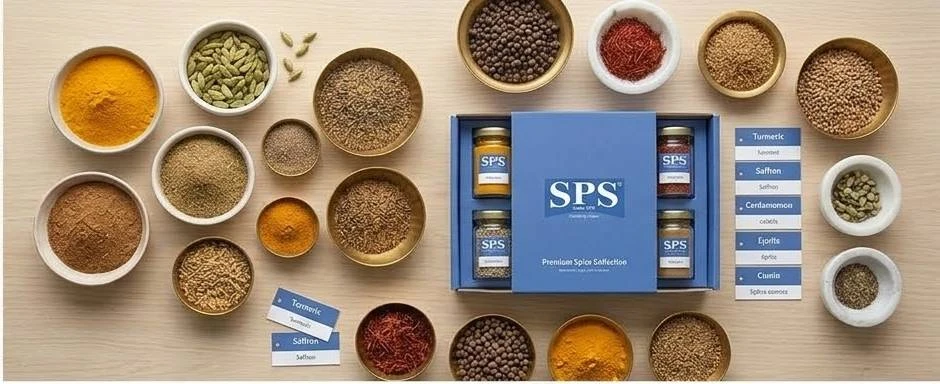

If you’ve ever walked into an Indian kitchen, you’ll notice one thing almost immediately—the aroma. It’s warm, layered, and somehow comforting, even if you can’t quite identify every scent. That magic comes down to a handful of essential Indian spices that, once you get familiar with them, can completely transform your cooking.
You don’t need a pantry full of dozens of jars to get started. In fact, most everyday Indian meals rely on a core group of spices that do the heavy lifting.
Let’s start with the basics. Turmeric is probably the most recognizable. It adds a vibrant yellow color and a subtle earthy bitterness. A pinch goes a long way, and it’s used in everything from lentils to vegetable curries. Then there’s cumin—either whole seeds or ground. When toasted in hot oil, cumin releases a nutty, slightly smoky aroma that forms the backbone of many dishes.
Coriander powder is another must-have. It’s mild, citrusy, and helps balance stronger spices. If you’ve ever tasted a dish and thought, “this feels rounded and complete,” coriander is often the reason. Pair that with red chili powder, and you’ve got heat covered—though the intensity depends on the variety you choose.
Now, here’s where things get interesting. Garam masala isn’t just one spice—it’s a blend. Think of it as the finishing touch. A small sprinkle at the end of cooking adds warmth and depth, tying all the flavors together. Every household has its own version, which makes it feel a bit personal.
Mustard seeds might seem small, but they pack a punch. When they hit hot oil, they pop and release a sharp, slightly tangy flavor, commonly used in South Indian cooking. Similarly, asafoetida (hing) is one of those ingredients you might overlook—until you try it. It has a strong smell on its own, but when cooked, it adds a savory, almost umami-like depth, especially in vegetarian dishes.
Fenugreek seeds and leaves are worth mentioning too. The seeds are slightly bitter, while the dried leaves (kasuri methi) add a distinctive aroma that you’ll recognize in many restaurant-style dishes.
One thing I’ve learned over time is that spices aren’t just about flavor—they’re about layering. You don’t dump everything in at once. Some go in early to build a base, others come in later to enhance aroma. That’s what makes cooking with Indian spices feel more like a process than a formula.
If you’re just starting out, don’t worry about getting everything perfect. Begin with a small set—turmeric, cumin, coriander, chili powder, and garam masala. As you cook more, you’ll naturally start exploring the rest.
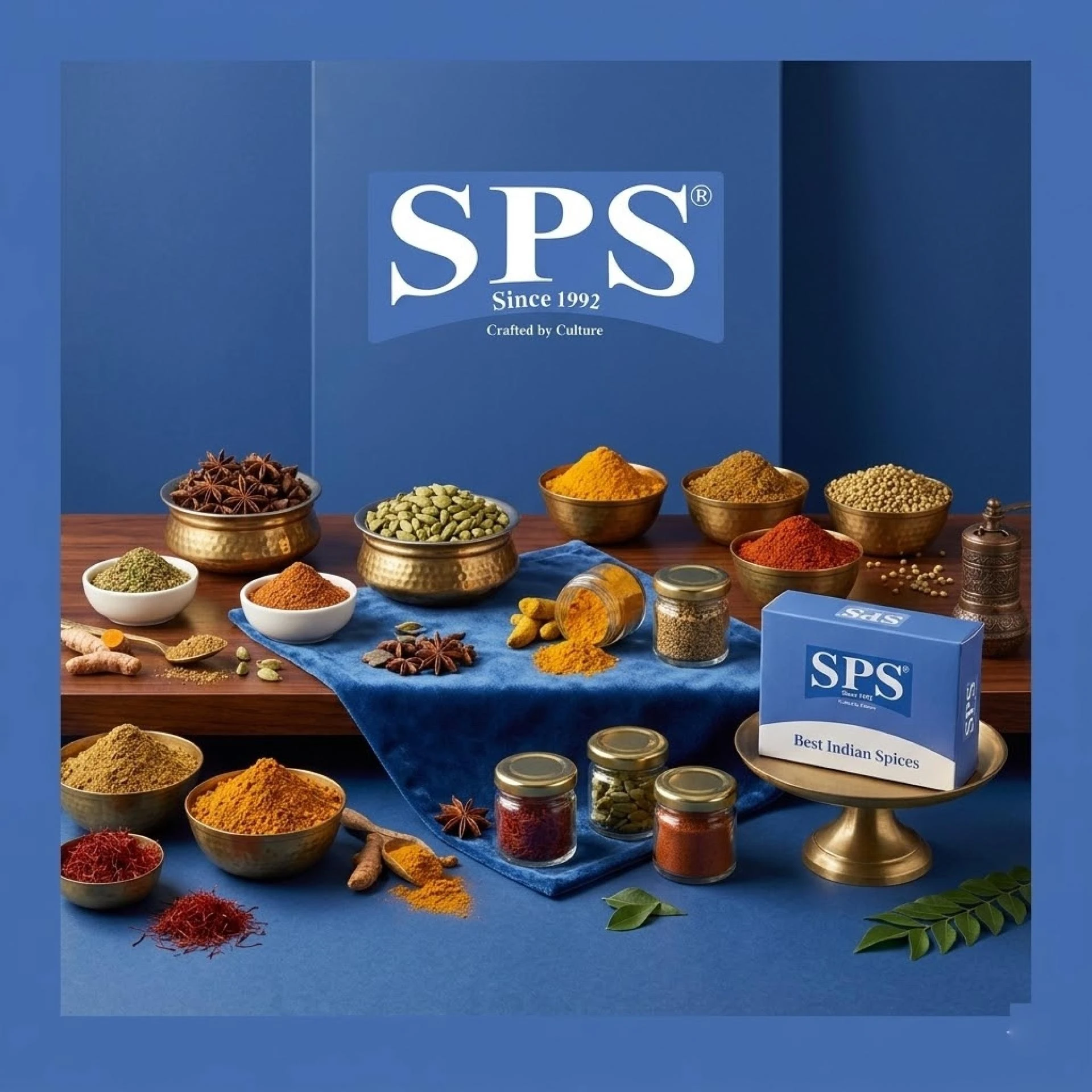
And here’s a practical tip: freshness matters more than quantity. A few high-quality spices will always outperform a shelf full of stale ones. That’s where sourcing becomes important. Many home cooks today prefer buying from trusted places like Sps Food Dk, where consistency and quality are taken seriously.
At the end of the day, building your spice collection is a bit like building your cooking identity. You’ll experiment, make mistakes, adjust flavors, and eventually develop an instinct for what works. And once you get there, even a simple dish can taste like something special.


























Sign in to leave a comment.