
"Who Controls What in a Fragmented World": The New Resource Map
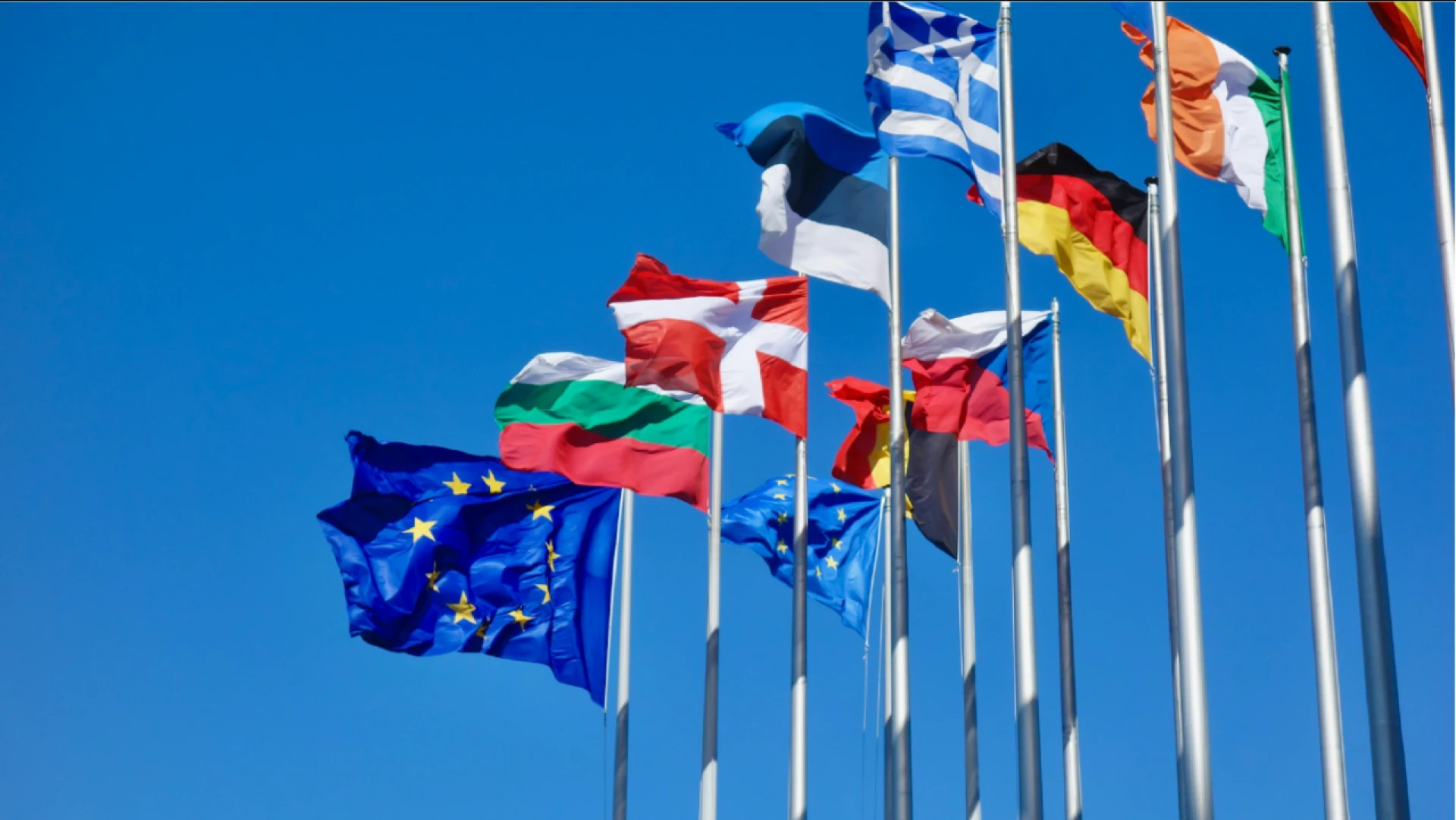
Depicts the transition from globalisation that occurred during the Cold War to a multipolar geoeconomic environment in which national security is the determining factor in commerce. We need to update the "Resource Map" in light of this new paradigm, which involves moving power away from traditional superpowers and toward middle powers and states that control crucial supply chains.
Dependence on the global economy
For many decades, nations placed a significant amount of reliance on foreign supply chains in order to acquire industrial resources. Today, governments are being forced to reevaluate their resource security policies due to heightened geopolitical tensions, export restrictions, and competition in the industrial sector.
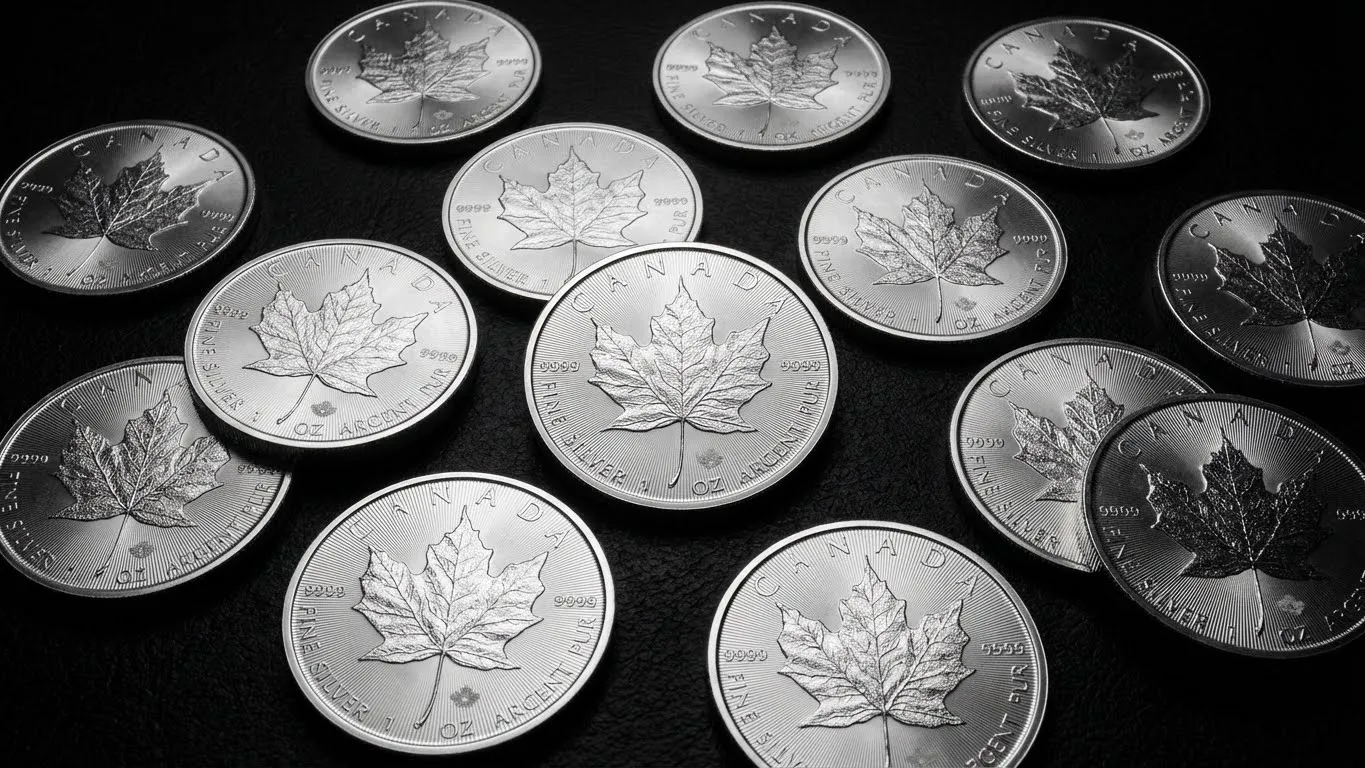
Because investors are keeping an eye on the current values of gold and silver in US dollars and searching for assets that might be considered safe havens in times of economic uncertainty, the demand for real bullion products has also surged.
Influence is shifting away from unipolar hegemony and toward "middle powers" and developing economies. This shift is brought about by the power centre shift. Countries such as India, Brazil, Mexico, and the Gulf States are in possession of vital resources and are operating independently in order to avoid tight alignment with either the United States or China. Protectionism in the economic sphere: Protectionism and industrial policies are becoming increasingly influential in the global trading system. In place of just economic efficiency, nations are placing a greater emphasis on resiliency and supply chain security.
Continuing to secure and use its near-monopoly over rare earth elements, which are vitally essential for semiconductors, sophisticated manufacturing, and defence, China continues to maintain its dominant position in the rare earth element market. Dependencies on the Supply Chain Because of the weaponisation of commerce and the continuous technology and chip wars, the nations that control the mining and processing of these materials are effectively the ones that hold the keys to contemporary technology. Minerals such as lithium, copper, and cobalt have taken the place of old fossil fuels as the new key battlegrounds in the energy transition.
Future for Bullion
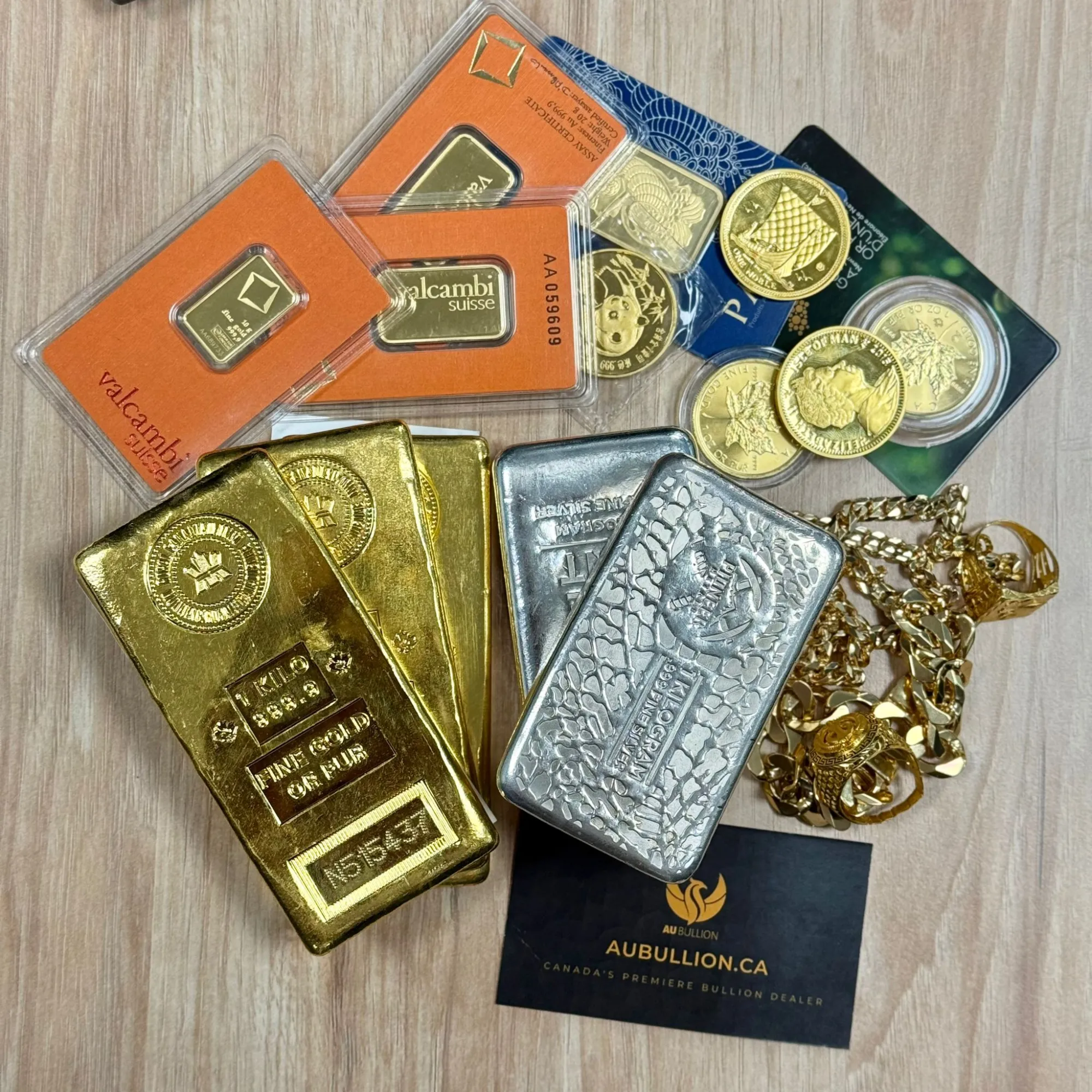
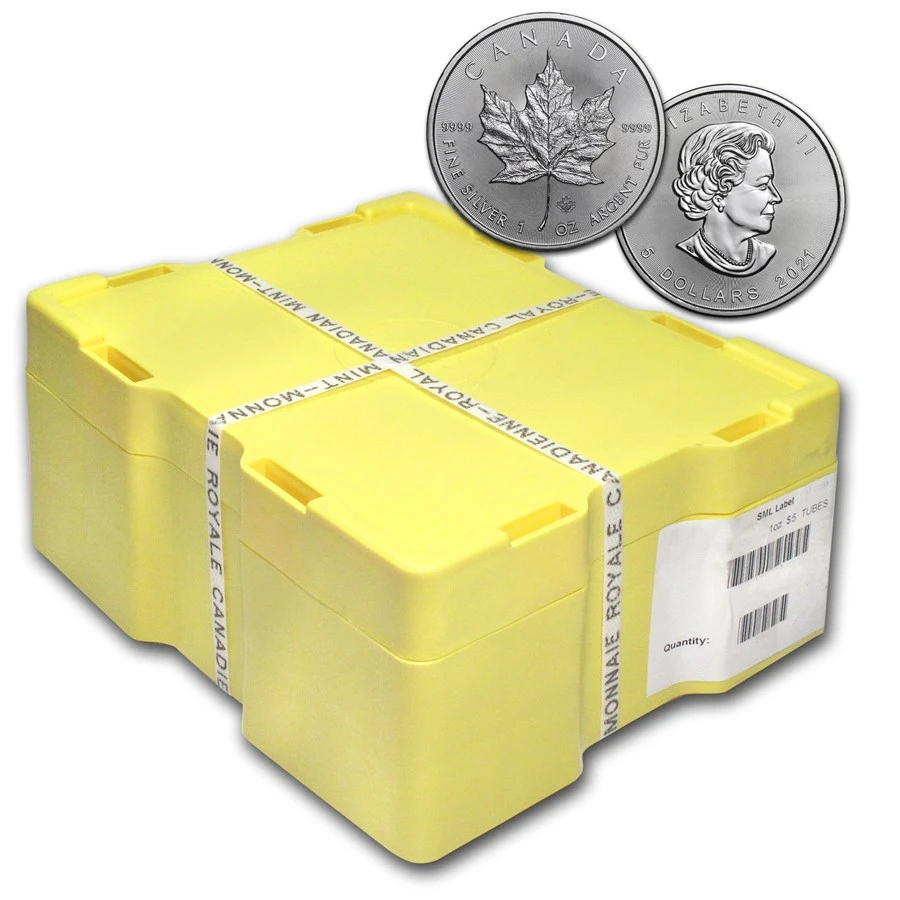
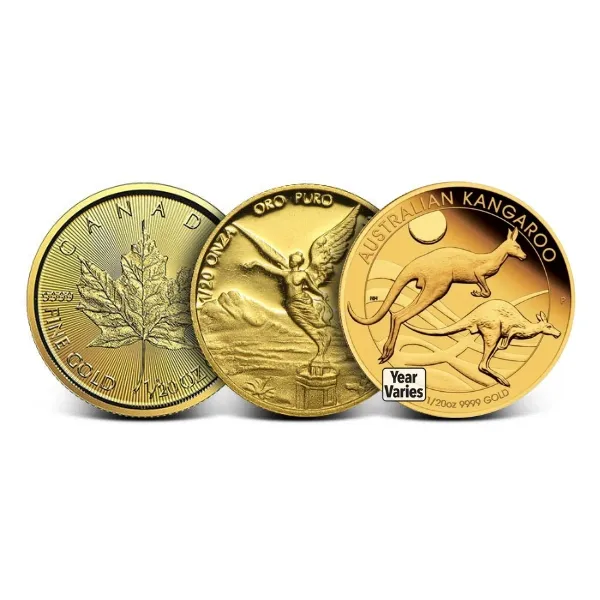
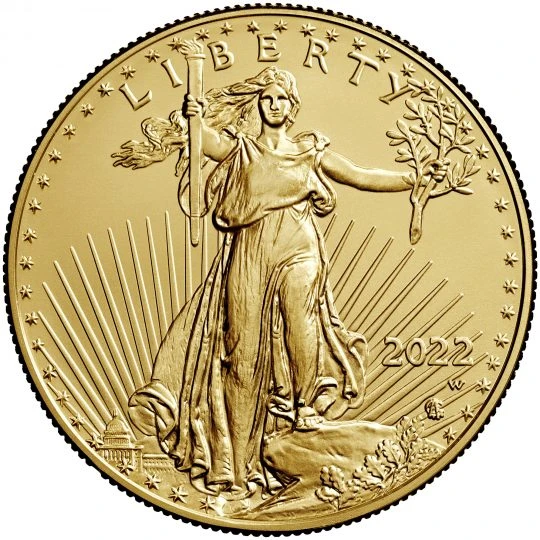
Both governments and investors have been compelled to focus their attention on physical assets as a result of the increasing fragmentation of global commerce. Products that are considered to be a kind of protection against inflation, currency instability, and geopolitical risk include gold bar investments, silver coins, and precious metals storage. Bullion goods such as these are becoming increasingly popular.
At the retail level, there is a continuing increase in demand for globally reputable refiners such as Pamp Suisse, Valcambi, and Perth Mint goods. This is because investors emphasis on worldwide liquidity and brand reputation.
The ever-evolving resource map indicates that access to metals and minerals will continue to be one of the most important economic concerns of the next ten years. These days, investors are paying more attention to the strategic significance of physical commodities in a world that is always changing. This is true whether they are monitoring movements in the price of silver bullion, palladium, or gold ounces.




















Sign in to leave a comment.