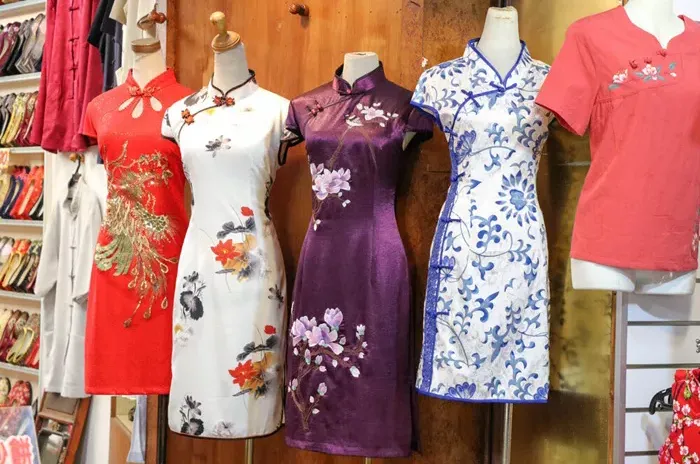

Silk cheongsam, also known as silk qipao, is one of the most refined forms of traditional Chinese dress. It combines cultural heritage with elegance and craftsmanship. Silk fabric gives the garment a soft shine, smooth texture, and graceful drape. This makes the cheongsam not only a piece of clothing but also a symbol of identity, femininity, and cultural pride.
Silk has been valued in China for thousands of years. It was once reserved for royalty and high-status individuals. Today, silk cheongsam is accessible to more people, but it still carries a sense of luxury and tradition. The fabric reflects light gently. It moves naturally with the body. This creates a quiet and refined beauty.
Why Silk is Special in Qipao Design

Silk is different from cotton, linen, or synthetic fabrics. It is softer and more fluid. It fits the body closely but does not feel heavy. This makes silk cheongsam suitable for many occasions, from formal events to cultural celebrations.
Silk also allows for detailed embroidery and printing. Traditional patterns like peonies, cranes, and lotus flowers look vivid on silk. The material holds color well and gives depth to each design.
Body Types and Silk Cheongsam Suitability
Women with Slim Figures
A silk cheongsam fits naturally on slim body types. The fabric follows the body line closely. This highlights the waist and hip curves. The high collar and fitted cut enhance the long and straight silhouette.
For slim individuals, both tight and slightly loose styles work well. Light-colored silk and detailed embroidery can add visual richness without overwhelming the frame.
Women with Curvy Figures
Silk cheongsam is also suitable for curvier body shapes. The key is choosing the right cut. A well-tailored cheongsam can balance proportions and enhance natural curves.
Darker silk tones, such as deep red, navy, or black, create a slimming effect. Vertical patterns and simple embroidery help elongate the body. Avoid overly tight designs. Instead, choose a slightly relaxed fit that allows comfort and elegance.
Petite Women
Petite women can wear silk cheongsam very well. The vertical lines of the cheongsam create the illusion of height. Shorter lengths or knee-length styles are ideal. These prevent the dress from overwhelming the figure.
Lightweight silk helps maintain proportion. Avoid heavy embroidery or large patterns, as they may look too dominant on a smaller frame.
Taller Women
Tall women can carry long silk cheongsam with great elegance. Floor-length designs look especially graceful. They highlight the natural height and create a strong visual presence.
Bold patterns and rich silk textures work well for taller individuals. High slits can add movement and modern style while maintaining traditional elements.
Age and Silk Cheongsam
Young Women
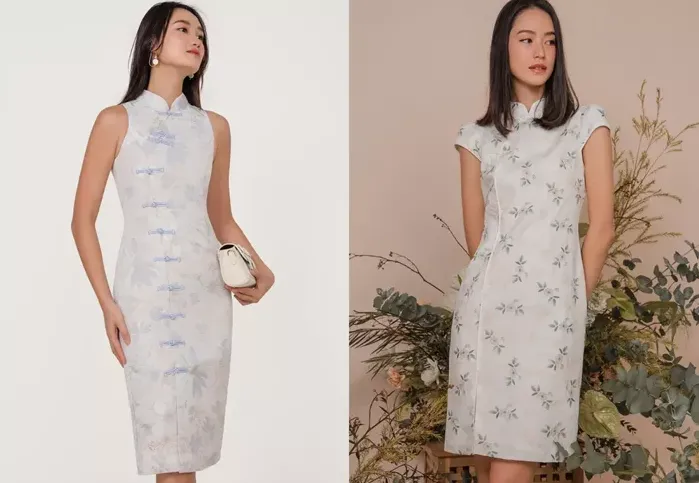
Young women often prefer lighter colors and modern designs. Silk cheongsam in pastel shades or with floral prints can create a fresh and youthful look.
Shorter lengths and sleeveless styles are also popular among younger wearers. These variations bring a contemporary feel while keeping traditional structure.
Middle-Aged Women
Middle-aged women often choose more classic designs. Silk cheongsam with subtle embroidery and deeper colors offers a refined and mature appearance.
The fabric’s smoothness adds sophistication. It enhances posture and presence without being too bold.
Older Women
Silk cheongsam is very suitable for older women. The fabric feels gentle on the skin and offers comfort. Loose-fitting styles provide ease of movement.
Traditional patterns and darker tones convey dignity and cultural respect. Long sleeves or higher collars can add modesty and warmth.
Occasions for Wearing Silk Cheongsam

Formal Events
Silk cheongsam is ideal for formal occasions such as weddings, banquets, and ceremonies. The shine of silk enhances the overall look. It gives a sense of importance and elegance.
For such events, embroidered silk or hand-painted designs are highly recommended. These details elevate the dress and show craftsmanship.
Cultural Celebrations
Festivals like Chinese New Year or Mid-Autumn Festival are perfect moments to wear silk cheongsam. Red and gold silk designs are especially popular for their symbolic meanings of luck and prosperity.
Daily Wear
Modern adaptations of silk cheongsam can be worn casually. Simpler cuts and lighter fabrics make them more practical for everyday use.
However, pure silk is delicate. It requires careful maintenance. For daily wear, silk blends may be a better choice.
Professional Settings
In some professional environments, especially cultural or hospitality industries, silk cheongsam can be part of formal attire. It presents a polished and culturally rich image.
Neutral colors and minimal patterns are more suitable in such settings.
Climate and Comfort Considerations
Warm Weather
Silk is breathable and lightweight. This makes it suitable for warm climates. It allows air circulation and helps keep the body cool.
Short-sleeved or sleeveless designs enhance comfort during summer.
Cool Weather
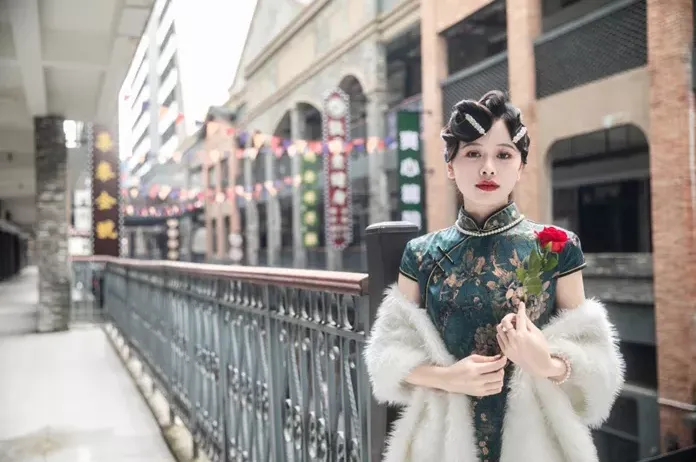
In cooler seasons, silk cheongsam can be layered with shawls or coats. Heavier silk fabrics like brocade provide more warmth.
Long sleeves and higher collars also help retain heat.
Personality and Style Preferences
Elegant and Reserved Personalities
Silk cheongsam suits individuals who prefer a refined and graceful style. The dress does not rely on bold shapes or loud colors. Instead, it expresses beauty through simplicity and detail.
Confident and Expressive Individuals
For those who enjoy standing out, silk cheongsam with bold patterns or vibrant colors can make a strong impression. The fabric enhances color intensity and movement.
Fabric Quality and Craftsmanship
Types of Silk Used
Common types include:
- Mulberry silk: smooth and high quality
- Silk satin: glossy and luxurious
- Silk brocade: rich texture with woven patterns
Each type affects how the cheongsam looks and feels.
Importance of Tailoring
A silk cheongsam must be well tailored. Poor fit can ruin the elegance of the fabric. Custom tailoring ensures the dress matches the wearer’s body perfectly.
Advantages of Wearing Silk Cheongsam

Visual Appeal
Silk reflects light softly. It creates a natural glow. This enhances skin tone and overall appearance.
Comfort
The fabric feels smooth and gentle. It reduces friction and allows ease of movement.
Cultural Value
Wearing a silk cheongsam connects the wearer to Chinese heritage. It carries historical and artistic meaning.
Limitations to Consider
Maintenance
Silk requires careful handling. It should be dry cleaned or gently hand washed. Improper care can damage the fabric.
Cost
High-quality silk cheongsam can be expensive. The price reflects the material and craftsmanship.
Sensitivity
Silk can be sensitive to moisture and sunlight. It may fade or weaken over time if not stored properly.
Conclusion
Silk cheongsam is suitable for a wide range of people. It adapts to different body types, ages, and occasions. The key lies in choosing the right design, fit, and fabric. Silk enhances elegance and cultural identity. It offers comfort and visual beauty. Whether for formal events or cultural celebrations, a silk cheongsam remains a timeless and meaningful garment.
FAQs
Is silk cheongsam suitable for daily wear?
Silk cheongsam can be worn daily if designed simply. However, pure silk requires careful care. Many people choose silk blends for daily use because they are easier to maintain.
How should a silk cheongsam fit?
It should follow the body shape without being too tight. The wearer should be able to move comfortably. Proper tailoring is important for achieving balance and elegance.
What colors are best for silk cheongsam?
It depends on the occasion and personal preference. Red and gold are traditional and festive. Dark colors are formal and slimming. Light colors give a soft and fresh appearance.
How do you maintain a silk cheongsam?
Store it in a cool, dry place. Avoid direct sunlight. Use gentle cleaning methods such as dry cleaning or mild hand washing. Always handle the fabric with care.



















Sign in to leave a comment.