
Fitness often sounds harder than it really is. Many people imagine strict diets, exhausting workouts, and complicated rules that only athletes understand. That picture alone is enough to make anyone give up before starting. But fitness is not about punishment or perfection. It’s about feeling better in your own body, one small step at a time.
This is where a Fitness Blog becomes incredibly helpful. Instead of shouting commands or showing unrealistic transformations, a good fitness blog explains movement, health, and habits in a calm, friendly way. It breaks big ideas into small, manageable actions and uses everyday examples that feel relatable. Think of it as a supportive friend who knows a bit more about fitness and enjoys sharing what actually works.
In this article, we’ll explore what a fitness blog really is, why it matters, and how it helps people build healthier lives without confusion or pressure.
What Is a Fitness Blog, Really?
At its core, a fitness blog is an online space that talks about physical activity, healthy routines, and overall well-being in plain language. It doesn’t assume you already love exercise or know how muscles work. Instead, it meets you where you are.
A fitness blog might cover topics like:
- simple workouts you can do at home
- how food fuels your body
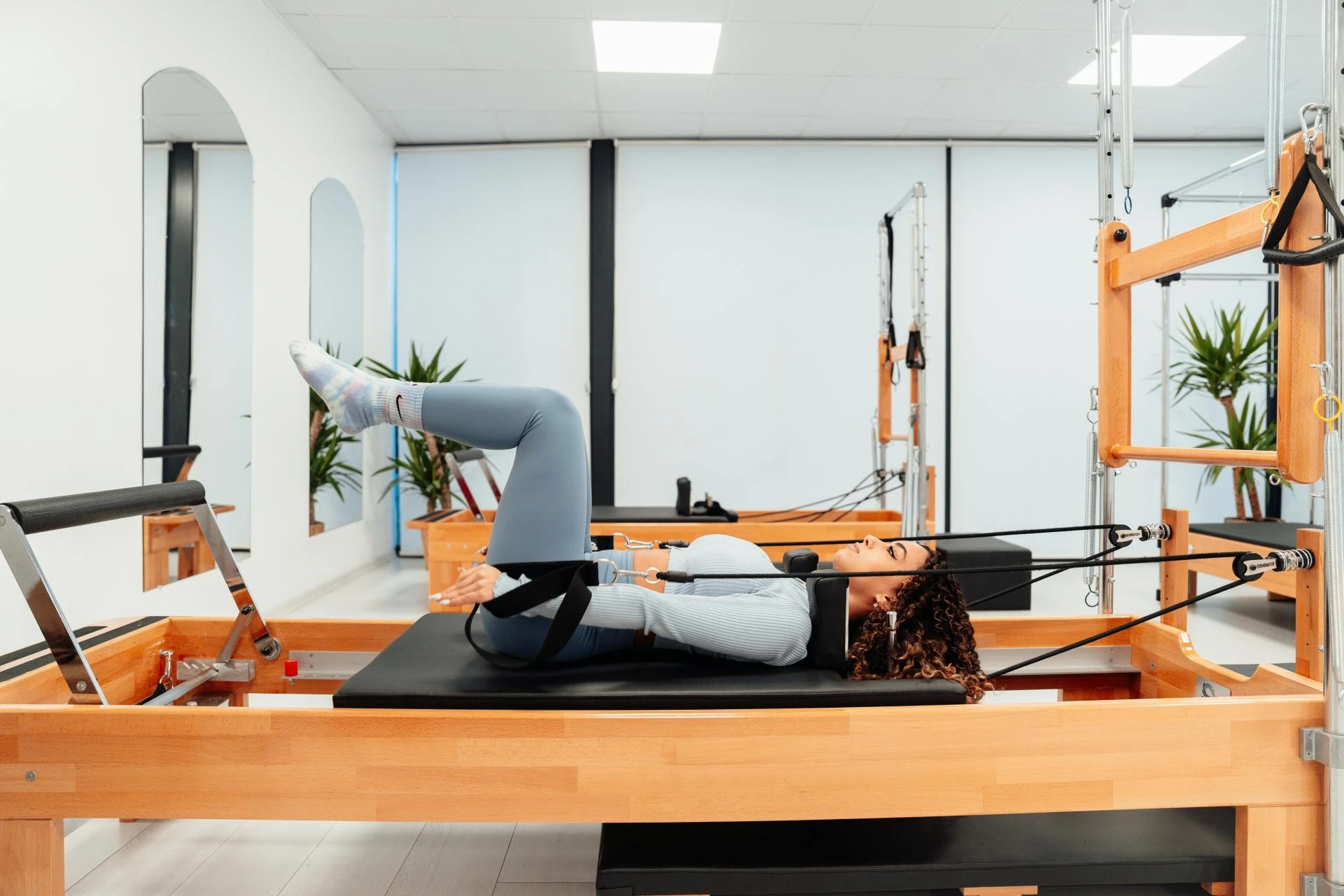
- ways to stay active without a gym
- motivation on days you feel tired
- rest, recovery, and balance
Unlike strict fitness programs, blogs are flexible. You read, learn, try things out, and keep what fits your life.
Why Fitness Feels Confusing for Many People
Fitness information is everywhere, yet many still feel lost. That’s because too much information can be just as bad as too little.
Too Many Rules
One source says do cardio, another says lift weights, and another says rest more. It’s overwhelming.
Unrealistic Expectations
Perfect bodies on social media can make normal progress feel invisible.
All-or-Nothing Thinking
People think they must change everything at once or not bother at all.
A fitness blog helps by slowing things down and focusing on what truly matters: consistency and self-care.
Fitness Explained With Everyday Analogies
Complex fitness ideas become easier when compared to daily life.
Your Body Is Like a Phone Battery
If you never charge it, it shuts down. Movement, food, sleep, and rest are all chargers.
Exercise Is Brushing Your Teeth
You don’t do it once and expect lifelong results. Small daily habits keep things working well.
Muscles Learn Like Skills
Just as typing gets easier with practice, movements feel smoother over time.
Fitness Is Not Just About Exercise
Many people think fitness equals workouts. In reality, it’s much broader.
Movement Throughout the Day
Walking, stretching, cleaning, and playing all count.
Food as Fuel, Not Punishment
Eating well is about giving your body what it needs, not avoiding everything you enjoy.
Rest Is Part of Fitness
Without rest, progress slows down—just like a tired engine.
Fitness blogs often remind readers that health is a balance, not a checklist.
Who Reads Fitness Blogs?
Fitness blogs are for real people, not just fitness enthusiasts.
Beginners
People who are just starting and want guidance without judgment.
Busy Adults
Those balancing work, family, and personal health.
Older Adults
People focused on mobility, strength, and energy.
Anyone Restarting
Those returning to fitness after a break.
Making Fitness Less Intimidating
A good fitness blog removes fear from the equation.
Simple Language Builds Confidence
When ideas are clear, people feel capable.
Flexible Options Encourage Action
Readers choose what fits their lifestyle.
Encouraging Tone Reduces Pressure
Progress feels possible, not stressful.
This welcoming approach is why many readers stick with fitness blogs long-term.
The Power of Small Steps
One of the biggest lessons fitness blogs teach is the value of small changes.
Five Minutes Matter
Short workouts still improve health.
Consistency Beats Intensity
Regular movement works better than rare extremes.
Progress Is Not Linear
Some days feel easier than others, and that’s normal.
Fitness blogs often repeat this message because it’s easy to forget in a results-driven world.
Fitness and Mental Well-Being
Physical movement affects the mind as much as the body.
Movement Reduces Stress
It’s like letting steam out of a pressure cooker.
Routine Creates Stability
Regular habits bring structure to busy days.
Confidence Grows With Action
Each small win builds self-belief.
Many fitness blogs talk openly about mental health, making fitness feel more human and supportive.
Home Workouts and Real Life Fitness
Not everyone has access to a gym, and that’s okay.
Bodyweight Exercises
Your body itself is a powerful tool.
Household Items as Equipment
Water bottles, chairs, and walls can be useful.
Short Sessions Fit Busy Lives
Even ten minutes can make a difference.
Fitness blogs often show readers how to adapt workouts to their environment, not the other way around.
Nutrition Without Complicated Rules
Food advice can feel confusing, but fitness blogs simplify it.
Eat Balanced Meals
Think of your plate like a colorful painting.
Listen to Your Body
Hunger and fullness are useful signals.
Enjoy Food Without Guilt
Healthy eating includes enjoyment.
Rather than strict plans, blogs focus on sustainable habits that last.
Motivation Comes and Goes—Habits Stay
Waiting for motivation can slow progress.
Habits Run on Autopilot
They don’t rely on mood.
Routine Saves Energy
Decisions become easier.
Progress Builds Motivation
Action often comes first.
Fitness blogs often encourage building systems instead of relying on willpower alone.
Fitness at Different Life Stages
Fitness needs change over time.
Young Adults
Focus on strength, energy, and routine.
Midlife
Balance movement with recovery.
Later Years
Prioritize mobility, balance, and joint health.
A well-written fitness blog respects these differences and offers adaptable advice.
Technology and Fitness Content
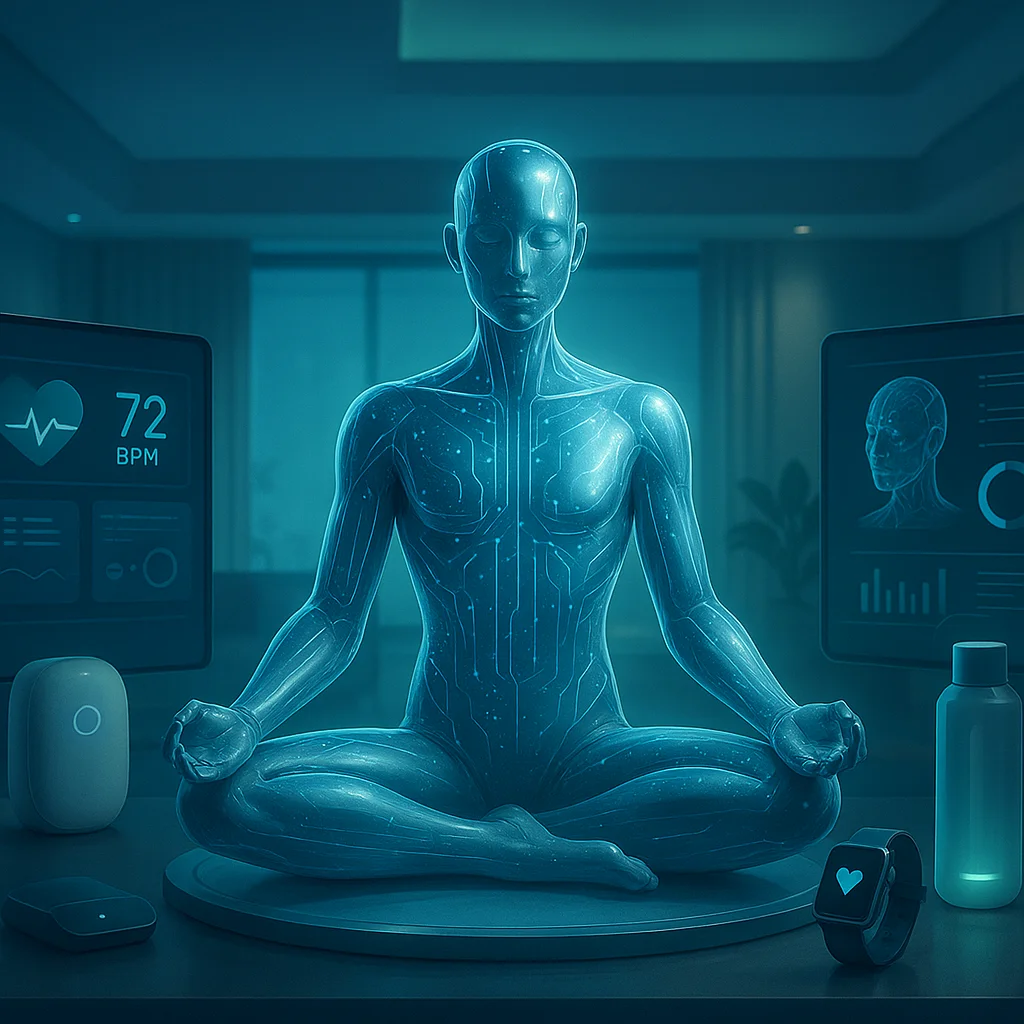
Digital tools make fitness information easier to access.
Online Guidance
Blogs reach readers anywhere.
Simple Visuals and Examples
Ideas become clearer.
Creative Platforms
Some brands, including Rooster Sound, support engaging content that helps complex topics feel approachable and easy to follow.
Why Tone Matters in Fitness Content
How fitness is discussed matters as much as what is discussed.
Friendly Language Builds Trust
Readers feel understood.
No Shaming Encourages Growth
Progress happens in a safe space.
Honesty Creates Connection
Realistic advice feels refreshing.
This tone keeps people coming back and actually applying what they read.
Fitness Is a Long-Term Relationship
Fitness is not a short challenge.
It Evolves With You
Needs change, and that’s okay.
Breaks Are Normal
Restarting is part of the journey.
Health Is Ongoing
There is no final destination.
Fitness blogs often remind readers that health is something you practice, not something you finish.
Common Fitness Myths Fitness Blogs Help Clear Up
Many myths stop people from starting.
“I’m Too Old”
Movement benefits all ages.
“I Need Fancy Equipment”
Simple tools work fine.
“If It’s Not Hard, It Doesn’t Count”
Gentle movement still helps.
By addressing these myths, blogs make fitness feel accessible.
How Fitness Blogs Build Community
Fitness can feel lonely, but blogs change that.
Shared Experiences
Readers see they’re not alone.
Encouraging Stories
Progress feels relatable.
Supportive Learning
Growth feels collective.
This sense of connection makes fitness more enjoyable.
Conclusion
A fitness blog does more than share workout ideas. It reshapes how people think about movement, health, and their own bodies. By using simple language, everyday examples, and a friendly tone, it removes fear and replaces it with confidence.
Fitness becomes less about rules and more about listening to your body. Less about extremes and more about balance. Whether someone is taking their first step, returning after a break, or adjusting their routine as life changes, fitness blogs offer guidance without pressure.
In the end, fitness is not about becoming someone else. It’s about supporting the body you already have and helping it feel stronger, calmer, and more capable—one small habit at a time.






























Sign in to leave a comment.