

Most homeowners only call a repair person when something breaks. A leaking pipe, a broken appliance, or a door that suddenly does not close - these problems feel urgent and expensive. But here is the good news: most of these problems are easy to prevent.
If you own or rent a home in Northwest London, a simple year-round maintenance plan does a lot more than keep your home looking nice. It protects your property, keeps your family safe, and saves you from expensive emergency repairs. This guide explains what to do each season and why it matters.
What Happens When You Skip Home Maintenance?
Skipping maintenance looks like a money-saving move at first. But small problems always grow into bigger ones over time.
A loose roof tile causes water damage. Limescale inside a boiler makes it wear out faster. Worn door seals let cold air in and push your energy bills up.
Studies show that reactive repairs cost two to three times more than regular maintenance. In London, where labour and materials are already pricey, this gap grows even wider.
Think of your home like a car. You do not wait for the engine to fail before you service it. The same thinking applies to your house.
Break Your Maintenance Into Four Seasons
A full year of maintenance feels overwhelming. But when you split it into four seasonal blocks, it becomes very manageable. Here is a clear and simple approach for London properties.
Spring: Check, Fix, and Freshen Up
After a cold and wet British winter, spring is the best time to inspect your home from top to bottom.
• Check external walls and brickwork for cracks or signs of moisture
• Look at roof tiles and gutters - clear any leaves or debris from winter
• Inspect window frames and seals for gaps or rotting wood
• Test smoke alarms and carbon monoxide detectors - change batteries if needed
• Check outdoor taps and hose connections for any frost damage
Spring is also a great time to complete any small repairs from winter - patching plaster, resealing a bathtub, or fixing a sagging door. Getting these done early stops them from turning into bigger issues.
Summer: Service Appliances and Plan Upgrades
Summer is the best season for non-urgent jobs and home improvements. Longer days and dry weather make it easier for tradespeople to work, and there is less risk of damp during repairs.
• Service kitchen appliances - clean behind your fridge, check oven seals, and descale your dishwasher
• Check washing machine hoses for wear or leaks
• Inspect bathroom and kitchen extractor fans - blocked fans cause mould and damp
• Book a boiler service now, before winter begins
Many people forget about appliance maintenance, but faulty white goods cause a lot of property damage in the UK every year. Regular checks on your washing machine, tumble dryer, and dishwasher help them last longer and lower the risk of water damage.
If you are a landlord in North or Northwest London, the Landlord and Tenant Act also requires you to keep all supplied appliances in safe working order.
The Handy Home Pro offers a full appliance maintenance service covering installation, inspection, and small repairs - a practical option for homeowners and landlords who want peace of mind without booking multiple contractors.
Autumn: Get Ready for Cold Weather
October and November bring the first cold spells. This is when poorly maintained homes start to show their weaknesses.
• Book a boiler service before the heating season starts
• Bleed your radiators - trapped air makes them less efficient and pushes up bills
• Clear gutters and downpipes - leaves cause blockages and potential flooding
• Check door and window draught seals
• Inspect roof flashings around chimneys and skylights
If you see condensation on your windows or walls, deal with it straight away. Leaving it leads to mould, which damages surfaces and affects the air quality inside your home.
Winter: Safety Checks and Indoor Jobs
In winter, your focus moves indoors. Cold weather puts pressure on your heating, insulation, and plumbing.
• Find out where your stopcock is - if a pipe bursts, you need to turn off the water fast
• Insulate pipes in cold areas like lofts and garages
• Check internal doors for warping - a door that does not close is a security risk and wastes heat
• Look at sealant around baths, showers, and sinks for cracks or discolouration
Winter is also the right time for indoor tasks that warmer months do not allow - painting, adding new shelving, patching small holes, or replacing worn fixtures.
Why Northwest London Properties Need Special Attention
Properties across Northwest London - including Harrow, Wembley, Barnet, Brent, and Camden - cover a wide range of housing types. You will find Victorian terraces, 1970s purpose-built flats, and modern new builds all sitting side by side.
Older properties need more work on damp-proofing, plaster repairs, and original sash windows. New builds can have ventilation problems and small cracks caused by the building settling into the ground.
The key is to know your property's age and construction type and maintain it in the right way. A 100-year-old terrace in Willesden Green has very different needs from a 1990s flat - but both benefit greatly from a regular maintenance schedule.
When Do You Need a Professional?
Many maintenance jobs are fine to do yourself - tightening hinges, bleeding radiators, applying fresh sealant. But some tasks always need a qualified professional.
Always call a qualified tradesperson for:
• Any gas or boiler work - this is a legal requirement and must be done by a Gas Safe registered engineer
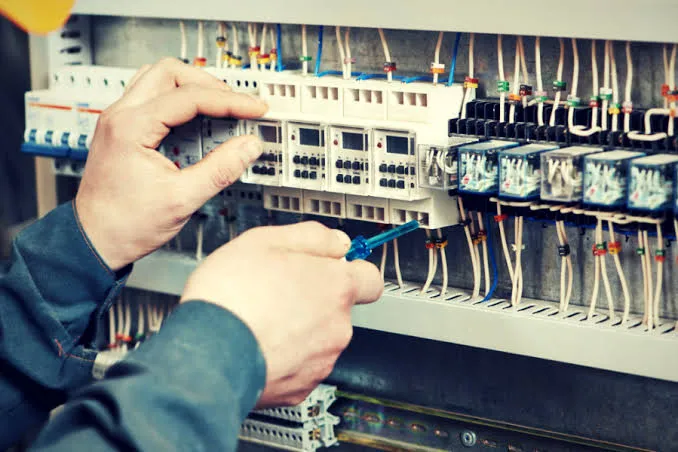
• Electrical repairs beyond basic light fittings - always use a qualified electrician
• Structural repairs such as cracked lintels, serious plaster damage, or signs of subsidence
• Full appliance installation that connects to gas or water supply
A reliable local handyman service removes a lot of the stress from routine maintenance. Instead of booking different contractors for different jobs, a multi-skilled team handles a wide range of tasks in one single visit.
The Handy Home Pro provides general maintenance services across Northwest London and nearby areas, covering everything from small repairs and fixture replacements to full property upkeep for landlords and letting agents.
Build Your Own Maintenance Calendar
The easiest way to start is to create a simple calendar. Write down seasonal tasks by month and set phone reminders so nothing slips through. Group tasks by area - kitchen, bathroom, exterior, heating - so you work through them efficiently.
Here is a simple framework to follow each year:
• January–February: Indoor inspections, plumbing checks, door and window draught-proofing
• March–April: Post-winter check, gutter clearing, external repairs
• May–June: Appliance servicing, ventilation checks, decoration work
• July–August: Upgrades, garden upkeep, exterior painting
• September–October: Boiler service, radiator bleeding, weatherproofing
• November–December: Heating check, pipe insulation, indoor comfort improvements
Follow this plan every year and you will avoid the backlog effect - that long, overwhelming list of problems that builds up when maintenance gets ignored.
Frequently Asked Questions
Q1: How often does a boiler need a service in London?
Your boiler needs a service once a year, ideally in late summer or early autumn before the heating season starts. An annual service keeps it running efficiently, lowers the risk of a breakdown, and is required if the boiler is still under warranty. In rented properties, a Gas Safe registered engineer must renew the Gas Safety Certificate every 12 months.
Q2: Do landlords in Northwest London have a legal duty to maintain appliances?
Yes. Under the Landlord and Tenant Act 1985, landlords must keep all supplied appliances - such as ovens, washing machines, and boilers - in safe working order throughout the tenancy. Not following this rule can lead to penalties and legal action from tenants. Regular appliance checks protect both the landlord and the tenant.
Q3: What is the most commonly neglected home maintenance task?
Drain and gutter maintenance is the most overlooked task. Blocked drains cause water to overflow onto external walls, which leads to damp, mould, and structural damage over time. Most homeowners only discover the problem when they already see visible damage inside the home.
Q4: How do I know if my home has a damp problem?
Look for wet or discoloured patches on walls, a musty smell, peeling wallpaper, or black spots on ceilings and corners. Condensation on cold windows is also a common early sign. If you spot any of these, act quickly - damp spreads fast and costs a lot to fix when left alone.
Q5: Is it worth hiring a handyman for small jobs, or should I do them myself?
For simple tasks like changing a light bulb or applying fresh sealant, DIY works well. But for anything involving plumbing, electrical work, or structural surfaces, hiring a professional is the safer and smarter choice. A qualified handyman gets the job done right the first time, which saves you the cost of fixing mistakes later. A local service like The Handy Home Pro handles multiple small jobs in one visit, saving both time and money.
























Sign in to leave a comment.