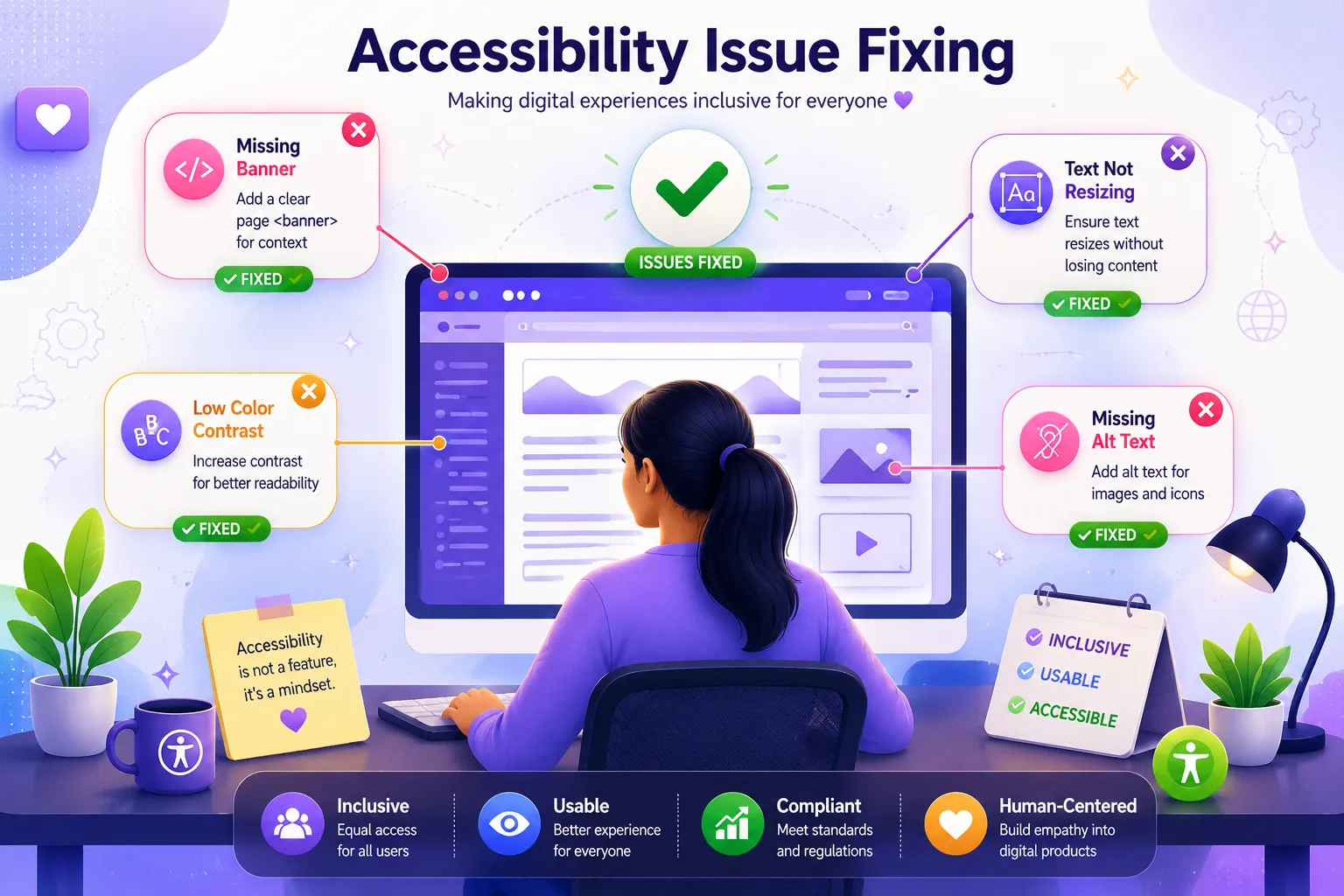

Website accessibility has moved from a nice to have feature to a core requirement for every digital business. Accessibility issue fixing is the process of identifying and correcting barriers on a website or application that prevent people with disabilities from using it effectively. When these barriers are removed, every visitor, regardless of their physical or cognitive ability, can navigate, read, and interact with content smoothly. This directly shapes how users perceive a brand and whether they stay engaged or leave in frustration.
Understanding the Real Impact of Accessibility Gaps
Many businesses assume accessibility only affects a small group of users, but the reality is much broader. Poor color contrast, missing alt text, unlabelled forms, and inconsistent navigation create friction for a wide range of visitors, including those using screen readers, keyboard navigation, or assistive technologies. These issues often go unnoticed by business owners because they do not personally experience them, yet they quietly push potential customers away and increase bounce rates.
Why Fixing Accessibility Issues Improves User Experience
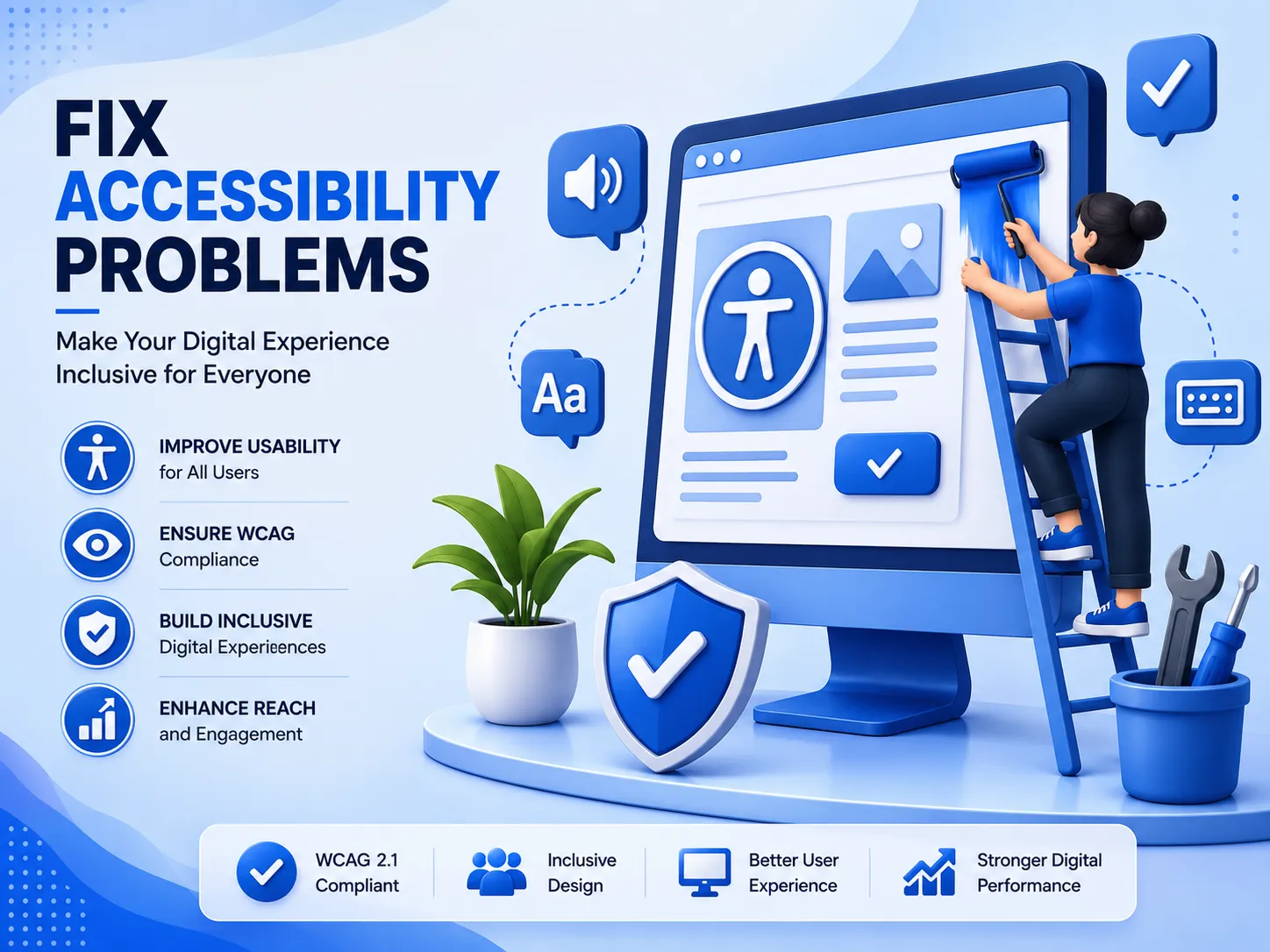
When a website is accessible, it naturally becomes easier to use for everyone, not just users with disabilities. Clear navigation, readable text, properly labelled buttons, and logical page structure benefit mobile users, older users, and even people browsing in bright sunlight or noisy environments. This is why accessibility issue fixing and user experience improvement go hand in hand. A site that works well for the widest possible audience builds trust, encourages longer visits, and supports better conversion rates.
How to Fix Accessibility Issues the Right Way
Understanding how to fix accessibility issues starts with a thorough audit of the website. This includes checking color contrast ratios, verifying that images have descriptive alt text, ensuring forms are properly labelled, confirming keyboard navigation works across every page, and testing compatibility with screen readers. Once problems are identified, they should be prioritized based on severity and fixed systematically rather than in a rushed, piecemeal manner. Regular testing should also become part of ongoing website maintenance, since new content and features can introduce fresh accessibility gaps over time.
Accessibility as a Long Term Business Advantage
Beyond user experience, accessible websites also tend to perform better in search visibility, since many accessibility best practices overlap with strong SEO fundamentals such as clean HTML structure and descriptive content. Businesses that invest in accessibility position themselves as inclusive, responsible, and forward thinking, which strengthens brand reputation and customer loyalty over time.
Take the Next Step Toward a Truly Accessible Website
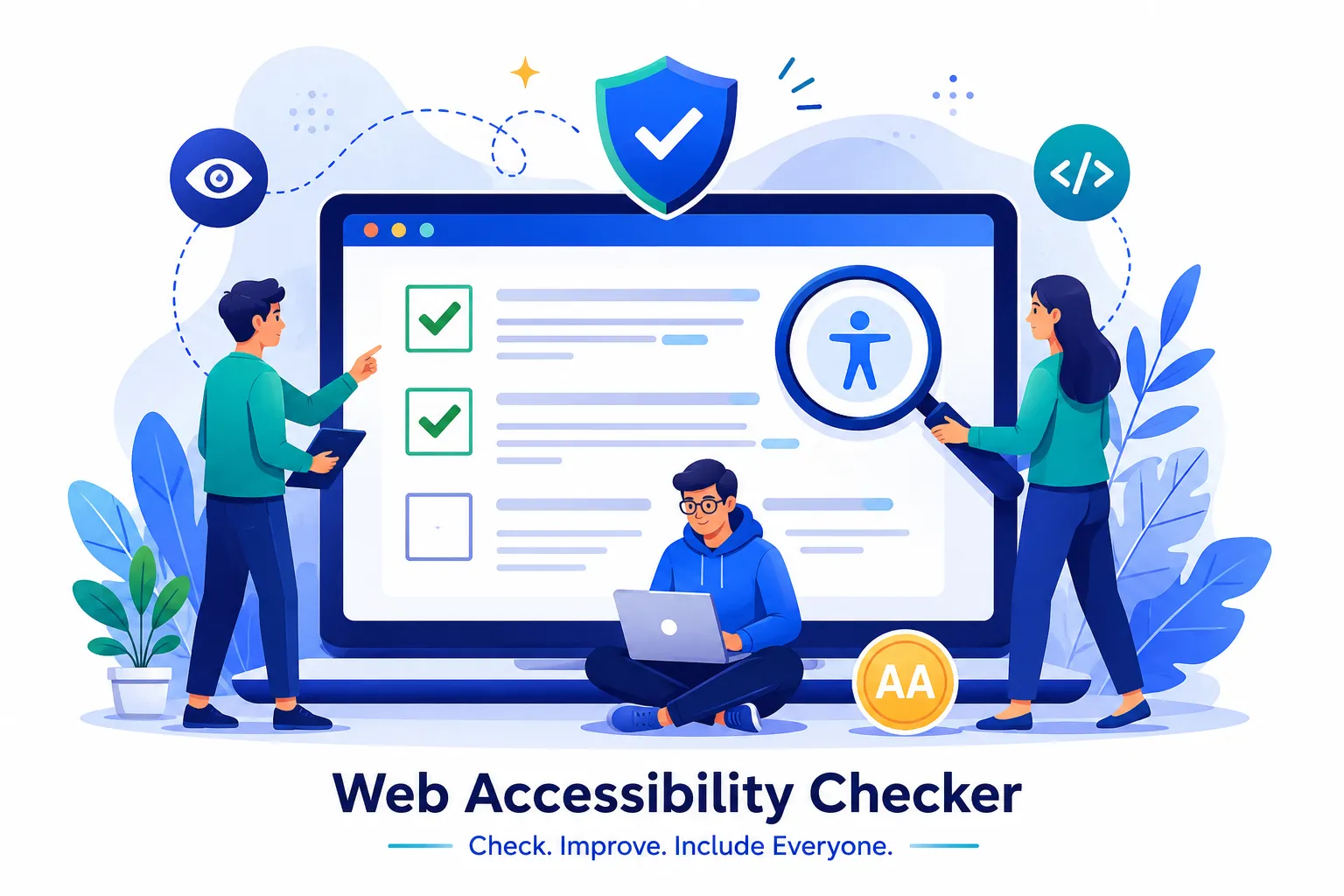
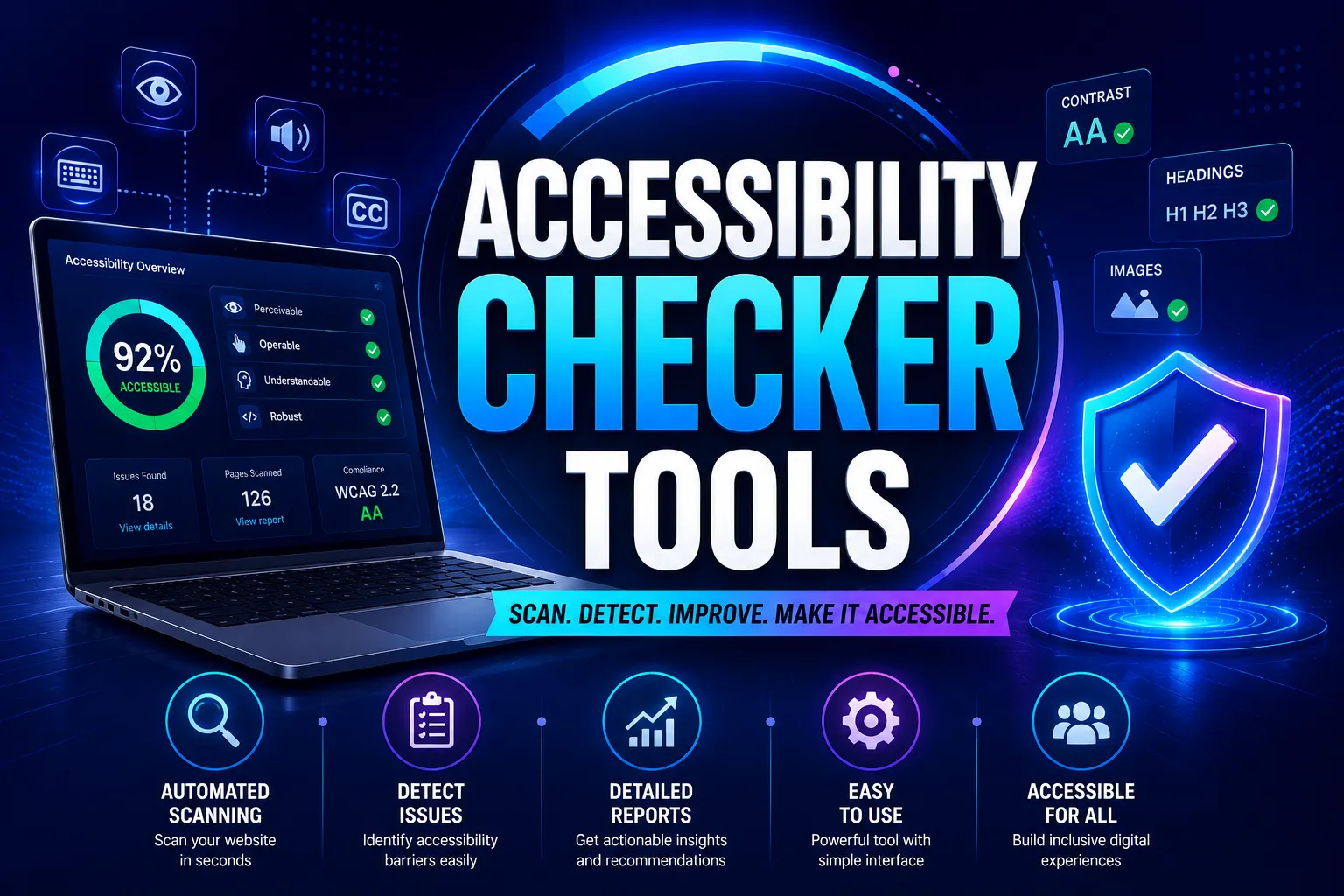
If your website still has unresolved accessibility barriers, now is the time to address them. A more inclusive website means happier users, stronger engagement, and better long term results for your business. Tranistics Data Technologies Private Limited helps organizations identify and resolve these barriers efficiently through its accessibility checker tool, designed to scan websites and highlight issues that need attention. Reach out to Tranistics Data Technologies Private Limited today and start building a website experience that truly works for everyone.






















Sign in to leave a comment.