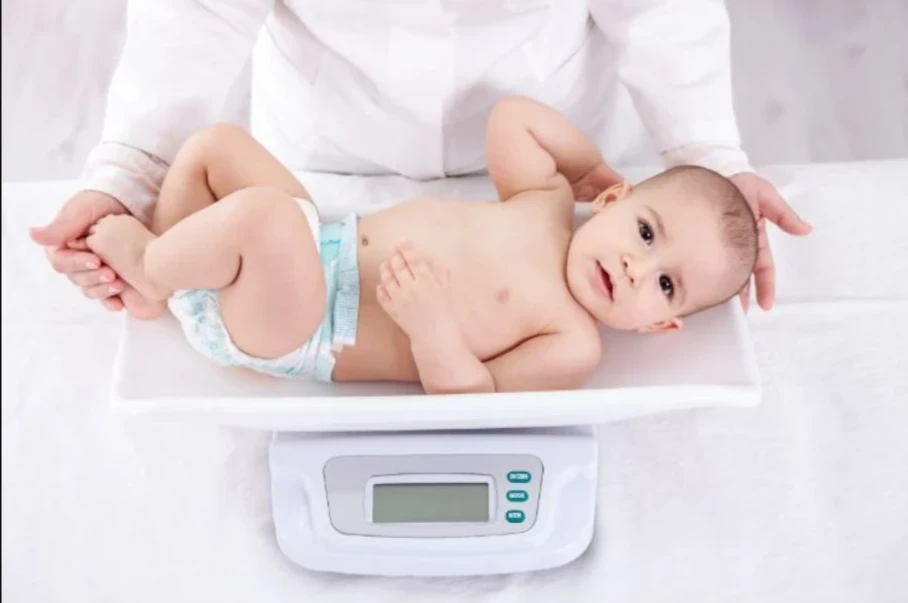

From the moment a baby is born, their weight becomes one of the most vital indicators of overall health. It's often the first measurement taken after birth, and for good reason — a newborn’s weight not only reflects their development in the womb but also serves as a baseline for tracking growth, nutrition, and potential health issues. Accurate weight monitoring in newborns and infants is more than a routine check-up activity — it’s a critical tool that plays a central role in ensuring a child’s well-being and development.
1. Early Detection of Health Issues
One of the primary reasons for accurate weight monitoring is the early detection of health problems. Babies, especially newborns, are vulnerable to a range of issues, and weight fluctuations can be the first sign that something is wrong.
- Failure to thrive (FTT): A condition where infants do not gain weight as expected, which could indicate malnutrition, metabolic disorders, or chronic illnesses.
- Dehydration: Rapid weight loss in newborns may suggest dehydration, especially in the first few days if breastfeeding is not well established.
- Infections or congenital conditions: Weight stagnation or loss can sometimes point to underlying infections or genetic disorders that affect metabolism or nutrient absorption.
By using an accurate infant scale, healthcare providers can intervene quickly and begin investigations or treatment plans before a condition worsens.
2. Monitoring Feeding and Nutritional Intake
Whether a baby is breastfed, formula-fed, or both, tracking their weight gain is one of the most reliable ways to assess if they’re receiving adequate nutrition.
- Breastfeeding: Since it's difficult to measure how much milk a baby consumes during breastfeeding, weighing the infant before and after feeding using a highly sensitive baby scale can give an estimate of milk intake.
- Formula feeding: While formula intake is easier to measure, weight tracking confirms whether the feeding regimen is effective.
A steady increase in weight indicates that the baby is feeding well and digesting nutrients properly, while irregular patterns may require adjustments in feeding techniques, frequency, or type of milk.
3. Establishing Growth Milestones
Growth in infancy is rapid and dramatic. In the first year of life, a baby typically triples their birth weight. Monitoring this growth trajectory helps pediatricians determine whether the child is developing at a healthy rate.
Doctors refer to growth charts to plot weight, height, and head circumference against standard percentiles. These charts are based on global health data and help assess whether a child is within a healthy range for their age and gender.
Accurate weight measurements allow for reliable tracking on these charts. Inaccurate readings may mislead both parents and doctors, leading to unnecessary concern or, worse, a missed diagnosis.
4. Special Attention for Preterm and Low Birth Weight Infants
Babies born prematurely or with low birth weights require close and frequent monitoring, often in neonatal intensive care units (NICUs) or through follow-up home visits.
- Weight gain is a key marker of recovery and development in preemies.
- These infants are often fed with specialized formulas or through tube feeding, making precise weight tracking essential for adjusting nutrition plans.
Even after discharge, portable and accurate infant scales are often used by healthcare professionals visiting homes to ensure ongoing progress.
5. Guiding Medical Interventions and Treatments
Infant weight is used to determine dosages for medications, supplements, and even vaccines. An incorrect weight could result in over- or under-dosing, both of which can have serious consequences in infants.
For instance:
- Antibiotics and antivirals are carefully calibrated by weight.
- Vitamin D and iron supplements for infants must be accurately dosed to avoid toxicity or deficiency.
Regular and precise weight measurements ensure that treatments are safe and effective.
6. Reducing Parental Anxiety Through Accurate Home Monitoring
For many new parents, particularly those with babies who were born early, underweight, or with medical conditions, having an infant scale at home can provide peace of mind.
- Parents can monitor day-to-day changes and ensure feeding routines are working.
- Concerns can be addressed early by discussing trends with a pediatrician.
However, it’s essential that home scales are calibrated properly and that parents understand how to interpret the data. A single day’s drop in weight may not be significant, but consistent patterns matter.
7. The Role of Technology in Improving Accuracy
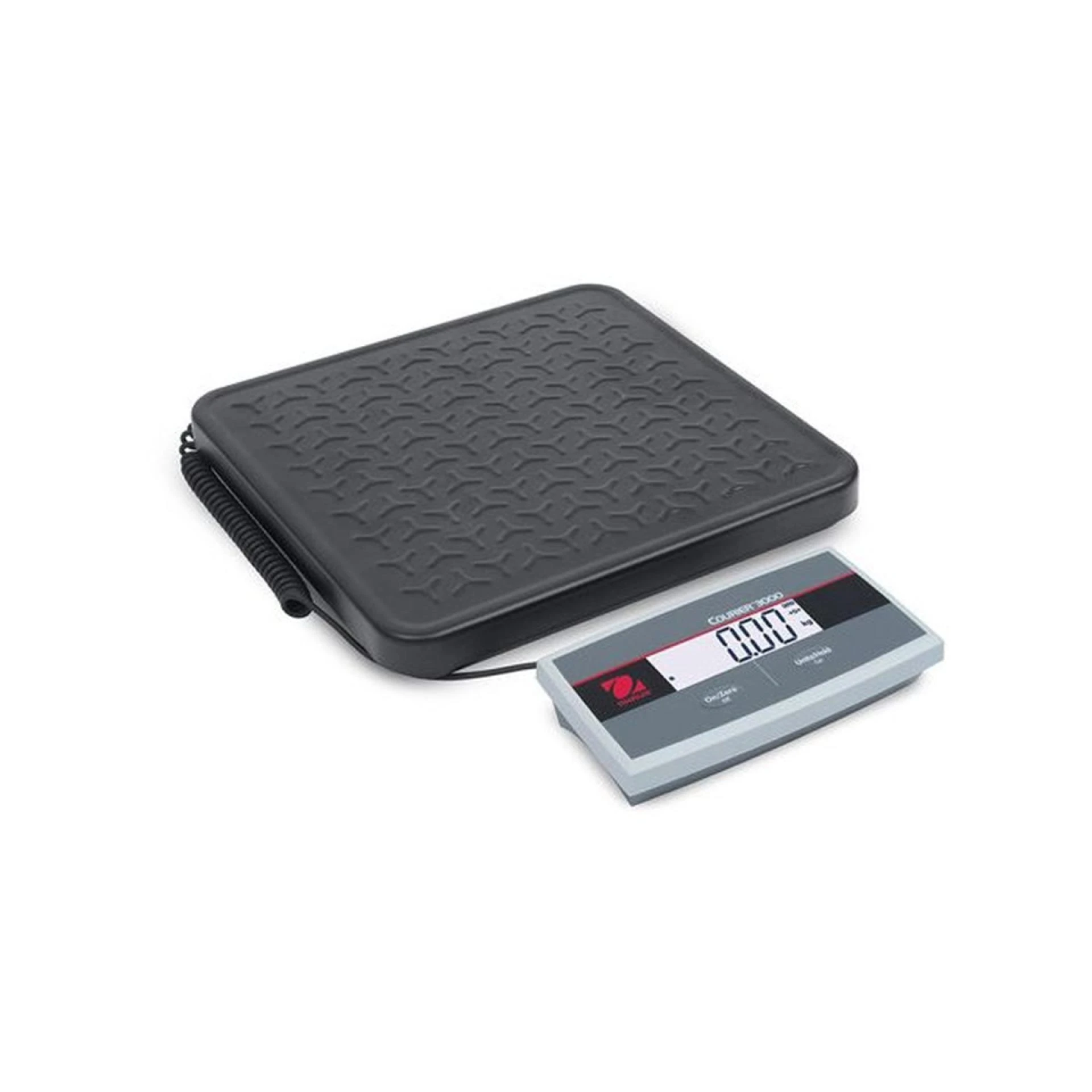
Modern digital infant scales have greatly improved the accuracy and ease of weight monitoring. Features such as:
- Tare functions to subtract the weight of diapers and blankets,
- Memory storage to track trends,
- Connectivity with health apps or digital health records,
... make these scales highly effective tools in both clinical and home settings. Some even offer Wi-Fi or Bluetooth to share data directly with healthcare providers for remote monitoring.
This technology is particularly useful in rural or underserved areas where frequent in-person check-ups may not be possible.
8. Consistency Is Key
While accuracy is essential, so is consistency. Weighing an infant under similar conditions — same time of day, before or after feeding, with or without clothing — helps ensure reliable tracking. This allows healthcare providers to notice meaningful trends instead of being misled by daily fluctuations caused by feeding or diaper changes.
Conclusion
Accurate weight monitoring during the first months and years of life is much more than just a number on a chart — it’s a critical diagnostic and developmental tool. It helps parents, pediatricians, and caregivers ensure that an infant is growing healthily, receiving proper nutrition, and developing appropriately. From identifying early health issues to ensuring correct medical dosing, the role of weight monitoring is vast and invaluable.
With the help of modern digital infant scales and the support of healthcare professionals, families can feel more confident that their babies are on the right track — thriving, growing, and reaching each milestone safely and healthily.


























Sign in to leave a comment.