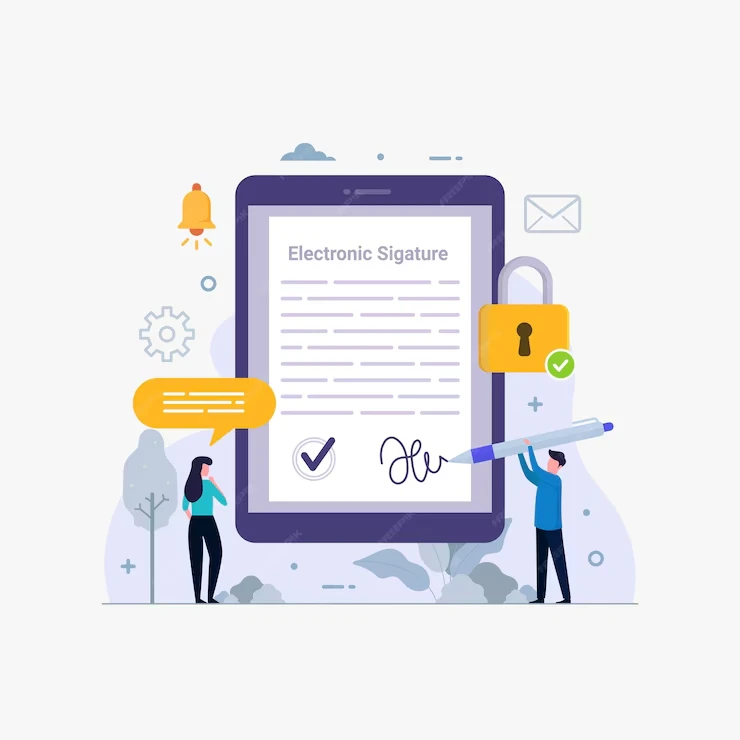
In a world where remote interactions and paperless workflows are the new norm, Sweden is leading the digital frontier—particularly in the realm of secure document authorization. Advanced electronic signatures (AES), backed by legal frameworks like eIDAS, are redefining how Swedish businesses and public institutions handle digital signing processes. The transformation is clear: contracts, consents, and formal communications are no longer bound by pen and paper. Instead, with trusted e-signature providers like Skrivly, organizations can now execute transactions securely, efficiently, and in full legal compliance.
Let’s explore how advanced digital signatures are revolutionizing Sweden’s digital ecosystem in 2025—unpacking the legal foundation, sector adoption, compliance needs, and emerging trends.

✅ What Makes an Electronic Signature “Advanced” Under eIDAS?
Under the eIDAS Regulation (EU No. 910/2014), electronic signatures are categorized into three levels: simple, advanced, and qualified. An advanced electronic signature (AES) must meet specific criteria:
- Uniquely linked to the signer
- Capable of identifying the signer
- Created using electronic signature creation data that the signer can use under their sole control
- Linked to the signed data in such a way that any subsequent change is detectable
This framework ensures that AES is more than just a ticked checkbox or typed name. It represents a secure digital signature that meets legal and forensic scrutiny—ideal for critical use cases like contracts, healthcare consents, or regulatory filings.
Unlike basic digital signatures, AES adds a robust identity verification layer—often through digital certificates or two-factor authentication mechanisms. Providers like Skrivly implement these standards by offering scalable, compliant e-signing solutions tailored to both enterprise and SME needs.
How Sweden's Digital Infrastructure Supports AES
Sweden's advanced digital infrastructure is a key enabler for widespread AES adoption. With BankID, one of the most secure and ubiquitous digital identity platforms in Europe, Swedes can verify their identity online with ease. Over 8 million Swedes actively use BankID, and it seamlessly integrates into e-signature solutions.
In 2025, BankID has evolved with biometric layers, cloud-based identity wallets, and extended cross-border capabilities—making Sweden one of the most e-signature-ready countries in Europe.
Moreover, Sweden’s proactive government digitization strategy and public trust in tech services amplify the nation’s confidence in adopting advanced electronic signatures across various domains.
🏦 Use Cases: Banking, HR Onboarding, Legal Contracts, Healthcare Consent
1. Banking and Financial Services:
Financial institutions in Sweden have widely adopted AES for onboarding, loan approvals, and regulatory disclosures. With high-value transactions, fraud prevention is paramount. AES ensures strong non-repudiation and user verification, reducing operational risk and streamlining KYC workflows.
2. HR and Recruitment:
Recruiters now manage employment offers, NDAs, and policy acknowledgments entirely through digital signing platforms. Tools like Skrivly integrate AES with document tracking, ensuring legal enforceability and faster onboarding.
3. Legal Contracts:
Law firms and corporate legal departments are increasingly moving to AES for contract lifecycle management. Whether it’s B2B agreements, procurement documents, or shareholder resolutions—an advanced digital signature ensures legitimacy and saves valuable time.
4. Healthcare and Consent Management:
The healthcare sector uses AES for patient consent forms, prescriptions, and medical data sharing agreements. AES not only protects sensitive health data but also aligns with GDPR's strict data protection and auditability requirements.
🔐 AES vs. Qualified Electronic Signatures (QES)
While advanced electronic signatures are secure and legally valid in most business and government contexts, there exists a higher level: the Qualified Electronic Signature (QES).
Feature AESQES Legal Validity Valid under eIDASE qual to handwritten signature Identity Verification Strong, but varies Must be verified by Qualified Trust Service Provider (QTSP)Signature Device Software or hardware-based Requires Qualified Signature Creation Device (QSCD)Common Use Cases Contracts, HR, banking Court documents, notarial services
For most Swedish businesses, AES is more than sufficient, especially with strong identity schemes like BankID in place. QES is typically reserved for cross-border or high-security documents involving government or legal representatives.
Skrivly, as a trusted e-signature provider, helps businesses determine when AES is sufficient and when QES is necessary—ensuring full compliance without unnecessary complexity.
📈 Trends in Adoption Among Swedish SMEs and Government Agencies
The Swedish market in 2025 is witnessing explosive growth in digital signing. Recent surveys indicate that 85% of SMEs and nearly 100% of public institutions use AES for day-to-day operations. Key trends include:
- Embedded Signing in Workflows: AES is being integrated into CRM, ERP, and HR platforms, enabling document approvals within business systems.
- Remote Work Acceleration: The rise of hybrid and remote workplaces has driven AES adoption to support virtual approvals.
- Sector-Specific Templates: Tools like Skrivly offer industry-based templates, reducing setup time and compliance risks for new users.
- Multi-Language and Cross-Border Compatibility: With Sweden's role in the EU, businesses are opting for e-signature platforms that support multiple languages and cross-border legal recognition.
This adoption is not limited to large enterprises. Micro-businesses and solopreneurs are also embracing secure digital signatures to formalize client relationships, manage invoices, and file taxes electronically.

⚖️ Compliance and Data Privacy Implications
Sweden's data privacy standards are among the highest globally, influenced by GDPR and local legislation like the Swedish Data Protection Act. Any e-signature provider operating in Sweden must ensure:
- Data Residency Compliance: Sensitive signature data and audit trails must be stored in the EU or compliant jurisdictions.
- Encryption and Tamper Detection: AES must use advanced cryptographic techniques to prevent unauthorized access and alterations.
- User Consent Logs: For sectors like healthcare, retaining clear records of user consent is legally required.
Platforms like Skrivly go beyond minimum compliance—offering detailed audit trails, encrypted document vaults, and optional blockchain anchoring to ensure end-to-end trust and accountability.
🛠️ Recommended Tools and Platforms with AES Support for Swedish Businesses
If you're exploring advanced digital signature solutions in Sweden, here are the top platforms to consider:
- Skrivly
- A leading e-signature provider in the Nordics, Skrivly offers fully compliant e-signing features with native BankID integration, secure encryption, multi-party signing, and API access for workflow automation. It’s tailored for businesses of all sizes—from startups to enterprise clients.
- Adobe Acrobat Sign
- Popular for global deployments, it supports QES and AES but may lack local integrations like BankID.
- Scrive
- A Nordic competitor with solid AES support and legal documentation services. Good for real estate and banking use cases.
- Signicat
- Focused on identity services, they offer a strong combination of identity verification and AES support.
- DocuSign
- Globally recognized and used in Sweden, though local customization options are more limited compared to Skrivly.
When choosing an e-signature provider, Swedish businesses should prioritize:
- eIDAS and GDPR compliance
- Seamless integration with existing tools
- Identity verification support (like BankID)
- Industry-specific template support
- Transparent pricing and localized customer support
Final Thoughts: Sweden's Digital Future with AES
As Sweden marches deeper into its digital transformation journey, advanced electronic signatures are no longer a luxury—they're a necessity. From reducing paper waste to accelerating approvals and enhancing trust in digital interactions, AES is enabling Swedish society to thrive in a fully digital era.
Businesses that embrace secure digital signatures today will not only improve internal efficiencies but also build long-term credibility with clients, partners, and regulators.
With trusted e-signature providers like Skrivly, your organization is equipped to navigate legal requirements, secure your digital transactions, and stay ahead of the curve in 2025 and beyond.























Sign in to leave a comment.