

Tooth pain can be one of the most uncomfortable dental problems people experience. In many cases, the pain is caused by an issue deep inside the tooth where the nerves and soft tissues are located. When this area becomes inflamed or infected, professional dental treatment is necessary to protect the tooth and relieve discomfort. This is where the role of an endodontist becomes important in modern dental care.

Understanding Tooth Nerve Problems
Inside every tooth is a soft tissue called dental pulp. This pulp contains nerves, blood vessels, and connective tissue that help the tooth develop during its early stages. While the pulp is important during tooth growth, it can become damaged later in life due to various reasons.
Common causes of nerve problems inside a tooth include deep tooth decay, cracks or fractures, dental injuries, and repeated dental procedures on the same tooth. When bacteria reach the pulp, it can lead to inflammation and infection. If left untreated, the infection may spread to surrounding tissues and cause more serious oral health problems.
Tooth nerve problems often require specialized treatment because the infection occurs inside the tooth where it cannot heal on its own.
Signs That the Tooth Nerve May Be Affected
There are several symptoms that may indicate a problem with the nerve of a tooth. Recognizing these signs early can help prevent complications and allow timely treatment.
Some common symptoms include:
- Persistent tooth pain
- Sensitivity to hot or cold foods and drinks
- Pain when chewing or biting
- Swelling or tenderness in the gums
- A dark or discolored tooth
- A small bump or abscess on the gum near the affected tooth
These symptoms should never be ignored because they often indicate infection inside the tooth.
How Specialized Treatment Helps
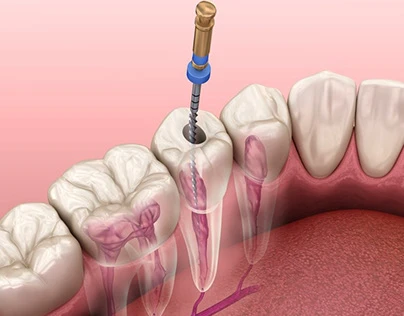
When the inner part of the tooth becomes infected, the goal of treatment is to remove the infected tissue and protect the tooth from further damage. One of the most effective treatments for this condition is root canal therapy.
During this procedure, the dentist carefully removes the infected pulp from inside the tooth. The root canals are then cleaned and disinfected to remove bacteria. After cleaning, the canals are sealed with a special material to prevent reinfection.
In many cases, a dental crown is placed on the treated tooth to restore its strength and function. With proper care, a treated tooth can continue to function normally for many years.
Benefits of Treating Tooth Nerve Problems Early
Early treatment offers several advantages for maintaining oral health. The most important benefit is preserving the natural tooth. Saving the original tooth helps maintain proper chewing ability and supports the alignment of surrounding teeth.
Removing the infection also helps relieve pain and prevents the bacteria from spreading to other parts of the mouth. Modern dental techniques and advanced equipment allow these treatments to be performed safely and comfortably for most patients.
Maintaining good oral hygiene after treatment is also important. Regular brushing, flossing, and routine dental visits help protect teeth and prevent future infections.
The Importance of Professional Dental Care
Tooth nerve problems rarely heal without treatment. Ignoring the symptoms can lead to more severe infections, abscess formation, or even tooth loss. Professional dental care ensures that the problem is properly diagnosed and treated using appropriate techniques.
With the right treatment and ongoing dental care, many patients can successfully manage tooth infections and maintain healthy, natural teeth for a long time.
FAQs
1. What does an endodontist treat?
A specialist in this field focuses on treating problems inside the tooth, especially infections and inflammation affecting the dental pulp and root canals.
2. Is root canal treatment painful?
Modern dental technology and anesthesia make the procedure comfortable for most patients. The treatment is designed to relieve pain caused by infection.
3. How long does root canal treatment take?
Most procedures can be completed in one or two dental visits, depending on the condition of the tooth.
4. Can a treated tooth last a long time?
Yes, with proper dental care and regular check-ups, a treated tooth can last for many years and function like a natural tooth.
5. When should I see a dentist for tooth pain?
If you experience persistent pain, swelling, or sensitivity, it is important to visit a dental professional as soon as possible to prevent the problem from worsening.





























Sign in to leave a comment.