

Tooth infections are more common than many people think, and they often begin with mild symptoms that are easy to ignore. A little sensitivity or occasional discomfort might not seem serious at first. However, delaying treatment can allow the problem to grow, leading to more pain and complications over time. Understanding the risks of postponing care can help you make better decisions for your oral health.
How a Tooth Infection Develops
A tooth infection usually starts when bacteria enter the inner part of the tooth, known as the pulp. This can happen due to untreated cavities, cracks, or injuries. Once inside, bacteria multiply and cause inflammation, leading to pain and swelling.
If left untreated, the infection can spread deeper into the tooth and even affect the surrounding tissues. At this stage, more advanced care such as root canal treatment in london may be required to remove the infection and save the natural tooth.
Early Symptoms You Should Not Ignore
In the beginning, a tooth infection may not cause severe pain. However, there are warning signs that should not be overlooked:
- Sensitivity to hot or cold
- Mild to sharp tooth pain
- Swelling in the gums
- Pain while chewing
- Bad taste or odor in the mouth
Recognizing these symptoms early can help prevent the condition from becoming more serious.
What Happens If You Delay Treatment?
1. Increased Pain and Discomfort
As the infection spreads, the pain often becomes more intense and constant. What starts as mild discomfort can turn into severe, throbbing pain that affects your daily life.
2. Spread of Infection
The infection does not stay limited to one area. It can spread to nearby teeth, gums, and even the jawbone. In some cases, it may lead to swelling in the face or neck.
3. Formation of an Abscess
A dental abscess is a pocket of pus caused by infection. This can result in severe pain, swelling, and sometimes fever. Abscesses require immediate attention and can become serious if ignored.
4. Risk of Tooth Loss
Delaying treatment increases the chances of losing the affected tooth. Saving the natural tooth becomes more difficult as the damage progresses.
5. Impact on Overall Health
In rare cases, untreated infections can spread to other parts of the body, leading to more serious health issues. This highlights the importance of timely dental care.
Why Early Treatment Matters
Seeking treatment at the right time can make a significant difference. Early intervention helps stop the infection before it spreads, making the procedure simpler and more effective. It also reduces pain and recovery time.
Modern dental treatments are designed to be comfortable and efficient. Addressing the issue early can help preserve your natural tooth and avoid more complex procedures later.
How Dentists Treat Tooth Infections
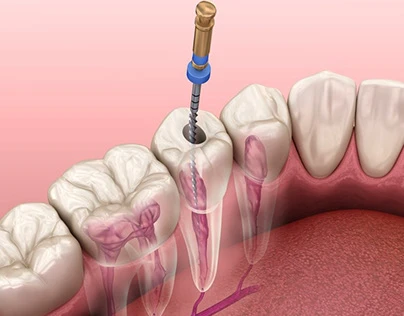
The treatment depends on the severity of the infection. In many cases, a root canal procedure is recommended. This involves removing the infected pulp, cleaning the tooth, and sealing it to prevent further infection.
After the procedure, the tooth is restored to its normal function, often with a crown. With proper care, the treated tooth can last for many years.
Tips to Prevent Tooth Infections
Preventing infection is always better than treating it. Here are some simple steps you can follow:
- Brush your teeth twice a day
- Floss regularly
- Visit your dentist for routine check-ups
- Avoid excessive sugary foods and drinks
- Treat dental problems early
Good oral hygiene plays a key role in maintaining healthy teeth and gums.
Conclusion
Delaying treatment for a tooth infection can lead to serious complications, including severe pain, spreading infection, and even tooth loss. Taking action early is the best way to protect your oral health and avoid unnecessary problems. If symptoms appear, seeking professional care promptly can make all the difference. Timely root canal treatment in london can help save your natural tooth and restore comfort, allowing you to maintain a healthy and confident smile.
FAQs
Q1: Can a tooth infection go away on its own?
No, a tooth infection requires professional treatment. Ignoring it can make the condition worse.
Q2: How do I know if my tooth is infected?
Common signs include pain, sensitivity, swelling, and discomfort while chewing.
Q3: Is root canal treatment painful?
Modern procedures are designed to be comfortable, and most patients feel relief after treatment.
Q4: How long does it take to treat a tooth infection?
Treatment usually takes one or two visits, depending on the severity.
Q5: How can I prevent tooth infections?
Maintaining good oral hygiene and visiting your dentist regularly can help prevent infections.
































Sign in to leave a comment.