
When a tooth becomes badly infected or damaged, patients often face an important question: should the tooth be saved or removed? Both options are common in dentistry, but they serve different purposes. Understanding the difference between saving a tooth and extracting it can help you make a confident and informed decision.
In many cases, preserving your natural tooth is the preferred choice. However, there are situations where removal may be necessary. Let’s look at both options in simple and easy language.
What Happens When a Tooth Is Infected?
Inside each tooth is a soft tissue called pulp. This pulp contains nerves and blood vessels. When bacteria enter the tooth because of deep decay, cracks, or injury, infection can develop. This may cause:
- Severe toothache
- Sensitivity to hot and cold
- Swelling around the gums
- Pain when chewing
- A bad taste in the mouth
If left untreated, the infection can spread and lead to serious problems.
What Are Endodontic Treatments?
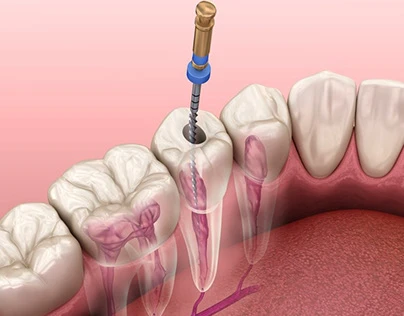
Endodontic care focuses on treating problems inside the tooth. The most common procedure is root canal treatment. During this procedure, the infected pulp is removed, the inside of the tooth is cleaned, and the space is sealed to prevent further infection.
The goal of endodontics treatments is to save the natural tooth whenever possible. After treatment, the tooth is usually protected with a crown to restore strength and function.
Modern techniques and local anaesthesia make the procedure comfortable. Most patients feel relief from pain after the infection is removed.
What Is Tooth Extraction?
Tooth extraction is the complete removal of the tooth from the mouth. It may be recommended when:
- The tooth is severely broken and cannot be repaired
- There is extensive bone loss
- The infection is too advanced
- Previous treatments have failed
After extraction, the missing tooth often needs to be replaced. Replacement options include dental implants, bridges, or dentures.
Advantages of Saving the Natural Tooth
In many situations, saving the tooth offers several benefits:
1. Maintains Natural Function
Your natural teeth are designed for proper chewing and speaking. Keeping them helps maintain normal bite function.
2. Prevents Teeth from Shifting
When a tooth is removed, nearby teeth may move into the empty space. This can cause alignment issues.
3. Protects Jawbone Health
The roots of natural teeth stimulate the jawbone. When a tooth is removed, bone loss may occur over time.
4. Cost-Effective Long Term
Although extraction may seem cheaper at first, replacing a missing tooth can increase long-term costs.
Because of these advantages, dentists usually try to preserve the tooth first.
When Is Extraction the Better Option?
There are cases where removal may be necessary. For example:
- The tooth is cracked below the gum line
- There is not enough healthy structure left to support a crown
- Severe gum disease has weakened the tooth
- The patient prefers extraction due to personal reasons
If the tooth cannot be restored safely or predictably, extraction may protect overall oral health.
Comparing Recovery and Comfort
Root canal procedures are usually completed in one or two visits. Mild soreness may occur for a few days, but most people return to normal activities quickly.
Extraction also involves healing time. If a replacement such as an implant is planned, additional procedures and healing periods may be required.
In terms of comfort, modern dentistry ensures that both treatments are performed under local anaesthesia to minimise pain.
Long-Term Outlook
A properly treated and restored tooth can last many years, sometimes even a lifetime. Good oral hygiene and regular dental check-ups play an important role in maintaining results.
If a tooth is extracted and replaced with an implant, that solution can also last many years. However, it requires proper care and maintenance as well.
The key difference is that preserving your natural tooth keeps your original structure intact, which is often the most biologically beneficial option.
Which Is Better?
There is no single answer for every patient. The right choice depends on:
- The condition of the tooth
- The level of infection or damage
- Bone support around the tooth
- Overall oral health
- Personal preferences and budget
In general, dentists aim to save the natural tooth whenever possible. Extraction is usually considered only when the tooth cannot be restored safely.
Final Thoughts
Facing a decision between saving or removing a tooth can feel overwhelming. The good news is that modern dentistry offers reliable and safe solutions for both options. In many cases, preserving your natural tooth provides better long-term benefits for chewing, comfort, and jaw health.
If you are unsure which option is right for you, a detailed examination and professional advice can help guide your decision. Early treatment always improves the chances of a successful outcome and protects your long-term oral health.




























Sign in to leave a comment.