

What Are Endodontics Treatments? A Comprehensive Guide to Root Canal and Beyond
If you’ve ever experienced a toothache, you might have wondered about the treatment options available to save your tooth and restore your oral health. One of the most effective treatments is endodontics. But what exactly does endodontics treatments entail, and why are they necessary for maintaining healthy teeth?

What Are Endodontics Treatments?
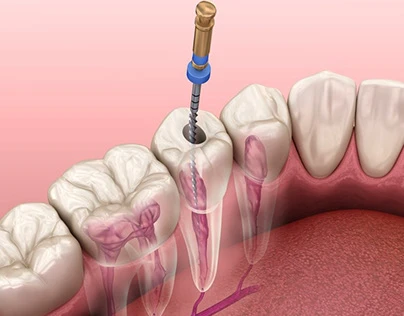
Endodontics is a specialized branch of dentistry that focuses on diagnosing and treating issues related to the inner part of the tooth, specifically the pulp and root canals. The most common endodontic procedure is the root canal treatment, which involves removing infected or damaged pulp from inside the tooth, cleaning the canals, and sealing them to prevent further infection.
Endodontic treatments are typically needed when the pulp inside the tooth becomes inflamed or infected, usually due to deep decay, cracks, or injury. Without treatment, the infection can spread, leading to severe pain and tooth loss.
Why Do You Need Endodontics Treatments?
The main goal of endodontics treatments is to save teeth that would otherwise need to be extracted. If left untreated, an infected tooth can lead to:
- Intense pain and discomfort
- Abscesses or infections in the surrounding gums and bone
- Difficulty eating and speaking
- Increased risk of further complications, including the loss of adjacent teeth
Endodontics allows you to keep your natural teeth and avoid more invasive procedures, such as implants or bridges. It helps maintain the structure and function of your teeth while ensuring long-term oral health.
Types of Endodontics Treatments
The most common endodontics treatments are:
1. Root Canal Treatment (RCT)
The most well-known endodontic procedure, root canal treatment, is used to treat a damaged or infected tooth pulp. The treatment involves:
- Removing the infected pulp
- Cleaning and shaping the root canals
- Filling and sealing the tooth to prevent reinfection
2. Endodontic Retreatment
If a root canal fails or becomes reinfected, endodontic retreatment may be necessary. This procedure is similar to the original root canal, but it involves removing the previous filling and cleaning out the canals again.
3. Apicoectomy (Endodontic Surgery)
In cases where a root canal treatment has not fully resolved the issue, an apicoectomy may be recommended. This surgical procedure involves removing the tip of the tooth’s root and sealing the area to prevent further infection.
4. Pulpotomy
A pulpotomy is often performed on children or on baby teeth. It involves removing the infected pulp from the crown portion of the tooth while leaving the healthy pulp in the root canals intact.
5. Traumatic Injuries Treatment
Endodontists also treat traumatic dental injuries, such as cracked or fractured teeth. Treatment might involve sealing the cracks or performing a root canal if the pulp is exposed or damaged.
How Do Endodontics Treatments Work?
Endodontics treatments are performed in several steps:
Step 1: Diagnosis
The endodontist will start by taking X-rays to assess the condition of your tooth and determine the extent of infection. They may also perform a series of tests to check the tooth's sensitivity to heat and cold, helping to pinpoint the issue.
Step 2: Local Anesthesia
Once the diagnosis is confirmed, the area around the affected tooth will be numbed with a local anesthetic to ensure you are comfortable throughout the procedure.
Step 3: Pulp Removal and Canal Cleaning
In a root canal, the endodontist will carefully remove the infected pulp and clean the inside of the tooth, removing any bacteria and debris. This step is crucial for preventing reinfection.
Step 4: Sealing the Tooth
After the canals are cleaned and shaped, they are filled with a biocompatible material called gutta-percha. The tooth is then sealed to protect it from future infection.
Step 5: Restoration
After the root canal treatment, a crown or filling may be placed over the tooth to restore its shape, size, and function. This is especially important for teeth that are heavily damaged or weakened.
Is Endodontics Treatment Painful?
One of the biggest concerns about endodontics treatments is the fear of pain. However, with modern anesthesia and advanced techniques, most patients report minimal discomfort during and after the procedure.
Root canal treatments, in particular, are no more painful than getting a regular filling. In fact, most patients find that their pain is relieved once the infected pulp is removed. Any post-treatment discomfort is typically mild and can be managed with over-the-counter pain relievers.
How to Choose the Right Endodontist for Your Treatment
Choosing the right endodontist is essential to achieving the best possible results. When looking for an endodontic specialist, consider the following:
- Board Certification: Ensure that the endodontist is board-certified and has specialized training in performing root canals and other endodontic procedures.
- Experience: Look for an endodontist with extensive experience, especially in treating cases similar to yours.
- Patient Reviews: Reading patient reviews and testimonials can provide insight into the endodontist’s skill, professionalism, and care.
- Technology: A modern practice that uses the latest technology (e.g., digital X-rays, microscopes) will provide the most accurate diagnosis and treatment.
Conclusion
Endodontics treatments are essential for preserving natural teeth and preventing more severe dental issues. Whether you're dealing with an infected tooth or need root canal treatment, seeing a skilled endodontist can help you maintain your oral health and avoid tooth loss.
If you’re experiencing tooth pain or think you might need endodontics treatments, it’s essential to consult with an experienced endodontist who can provide the care you need. With proper treatment, you can enjoy a healthy smile for years to come




























Sign in to leave a comment.