

Dental health is crucial to overall well-being, and when issues arise within the pulp of a tooth, it can lead to severe discomfort and even tooth loss. This is where an endo specialist comes in. An endo specialist (more commonly known as an endodontist) is a dental professional who specializes in diagnosing and treating problems inside the tooth, specifically within the pulp — the soft tissue that contains nerves and blood vessels. If you’re dealing with tooth pain, infection, or injury to the pulp, an endo specialist is the expert who can save your tooth and relieve your discomfort.
In this blog, we’ll explore who endo specialists are, the treatments they provide, and how they can help preserve your teeth for the long term.

What Does an Endo Specialist Do?
An endo specialist is a dentist who has completed advanced training in endodontics, a specialty focusing on the tooth pulp and its surrounding tissues. After earning their dental degree, endodontists undergo additional years of specialized education and training to understand the intricacies of root canals, tooth trauma, and other procedures related to the interior of the tooth.
Endo specialists are primarily known for performing root canal treatments, but they also handle a wide range of other procedures related to the tooth’s inner tissues. Their goal is to save your natural teeth, restore their function, and prevent tooth loss through advanced procedures that address infection, damage, or decay.
When Do You Need to See an Endo Specialist?
There are several scenarios in which you may need to see an endo specialist. If you're experiencing any of the following symptoms or conditions, it’s important to schedule an appointment with an endodontist:
- Persistent Tooth Pain: One of the most common reasons people visit an endo specialist is tooth pain that won’t go away. This type of pain can be constant or occur when chewing or pressing on the tooth. It’s often a sign that the tooth pulp is infected or damaged.
- Tooth Sensitivity: Prolonged sensitivity to hot or cold, especially if the sensation lingers after the stimulus is removed, can be a sign of pulp damage.
- Swelling or Tender Gums: Swelling around the affected tooth or the presence of a pimple-like bump on the gums could indicate an infection that requires immediate attention from an endo specialist.
- Tooth Discoloration: A tooth that has become dark or discolored due to injury or infection may require the expertise of an endodontist to save it.
- Injury or Trauma to the Tooth: If your tooth is cracked, chipped, or knocked out, an endo specialist can help assess the damage and prevent further complications, especially if the pulp is exposed.
Common Treatments Provided by an Endo Specialist
Root Canal Treatment (RCT)
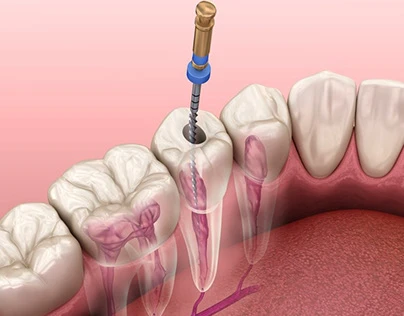
The most well-known procedure performed by endodontists is the root canal treatment. This treatment is required when the pulp inside a tooth becomes infected or damaged due to deep decay, cracks, or trauma. During the procedure, the endo specialist removes the infected pulp, cleans and disinfects the interior of the tooth, and then seals it to prevent further infection. A crown is usually placed afterward to restore the tooth’s function and appearance.
Why you might need a root canal:
- Deep tooth decay
- A cracked or fractured tooth
- A tooth that has been injured in an accident
Endodontic Retreatment: Sometimes, a tooth that has previously undergone a root canal may become reinfected. Endodontic retreatment involves reopening the tooth, cleaning out the old filling material, and re-sealing the tooth. This procedure is often successful in saving a tooth that did not heal properly after the initial treatment.
Apicoectomy (Surgical Root Canal):If a standard root canal treatment fails to fully resolve an infection, an apicoectomy may be needed. This surgical procedure involves removing the infected tissue from the root tip and sealing the area to prevent the infection from spreading further. An apicoectomy is often recommended when the infection persists despite treatment.
Treatment for Traumatic Dental Injuries:Endo specialists are highly skilled at treating traumatic dental injuries. If a tooth has been knocked out or cracked, especially if the pulp is exposed, an endodontist can perform the necessary procedures to save the tooth and prevent infection. This could include root canal therapy, tooth stabilization, or other restorative treatments.
Dental Abscess Treatment: A dental abscess is a painful, pus-filled infection at the root of the tooth that often results from untreated decay or injury. An endo specialist can drain the abscess, remove the infection, and perform a root canal to restore the tooth and prevent the infection from spreading.
Benefits of Seeing an Endo Specialist
- Pain Relief: Endodontic treatments, especially root canals, are highly effective in relieving the severe pain caused by tooth infections, damaged nerves, or trauma.
- Preservation of Natural Teeth: The primary benefit of seeing an endo specialist is that they help preserve your natural teeth. Root canals and other endodontic procedures save teeth that might otherwise need to be extracted.
- Improved Function and Aesthetics: After treatment, the affected tooth is restored to full function, allowing you to eat, chew, and smile confidently again.
- Prevention of Further Complications: Endo specialists address infections and other issues early on, preventing them from spreading to other teeth or parts of the mouth, which can lead to more serious dental and health problems.
What to Expect During an Endodontist Appointment
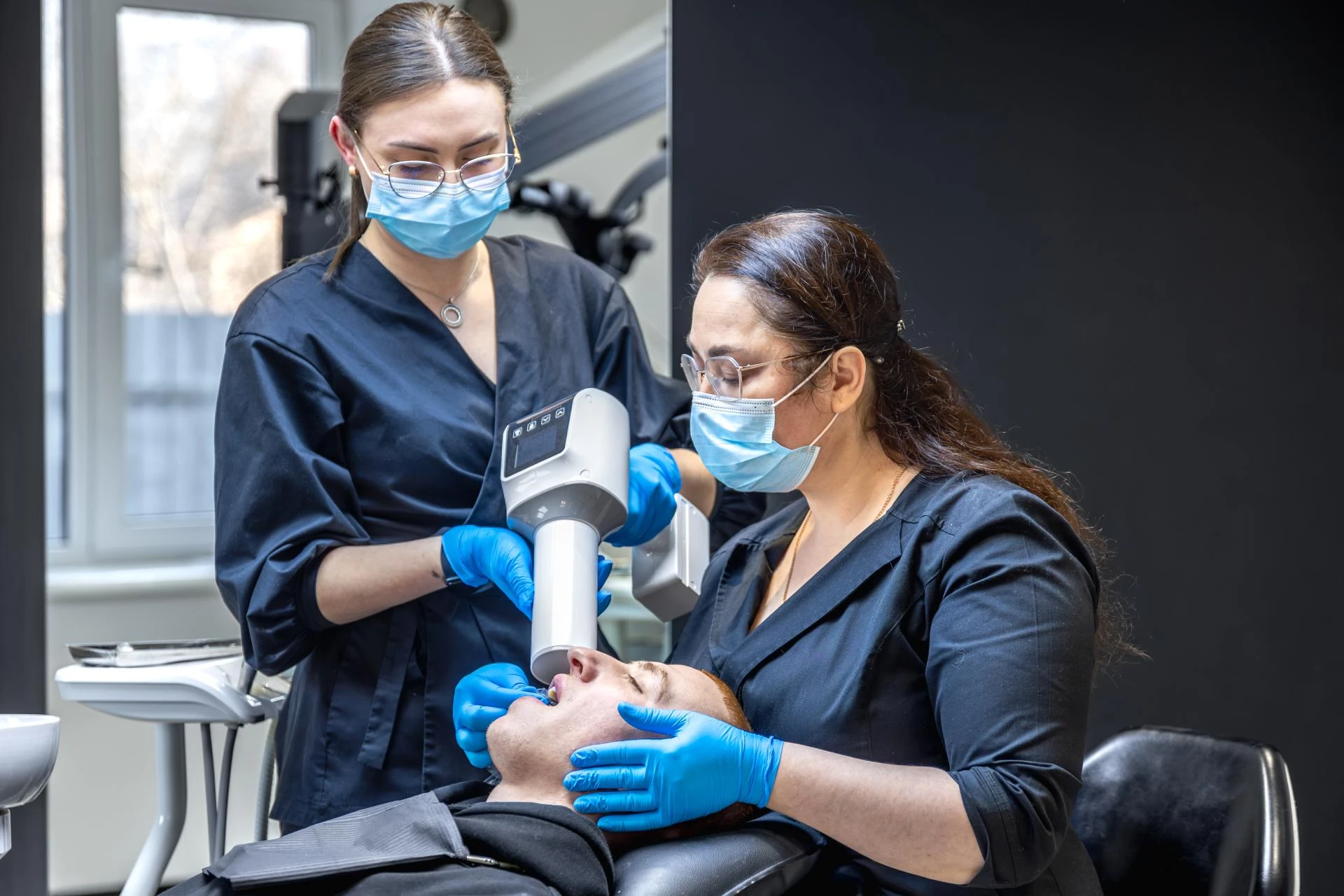
Consultation and Diagnosis: During your first visit, the endo specialist will take X-rays to assess the condition of the affected tooth. They will then discuss your symptoms and determine the best course of treatment based on the diagnosis.
The Procedure: Most endodontic treatments are performed under local anesthesia to ensure you are comfortable. For a root canal, the specialist will remove the infected pulp, clean the interior of the tooth, and seal it. In surgical cases, the endodontist may make small incisions to access the root tip.
Post-Treatment Care: After your procedure, you may experience mild discomfort, which can be managed with over-the-counter pain relievers. Follow-up visits may be necessary to check on the healing process and ensure the infection has been fully resolved.
Conclusion
An endo specialist is an expert in saving your natural teeth by addressing complex issues related to the tooth pulp. Whether you need a root canal, retreatment, or treatment for a dental injury, endodontists are skilled at providing pain relief and preserving your teeth for the long term. If you're experiencing tooth pain, sensitivity, or have suffered an injury, don’t wait—consult an endo specialist to restore your dental health and avoid further complications.
































Sign in to leave a comment.