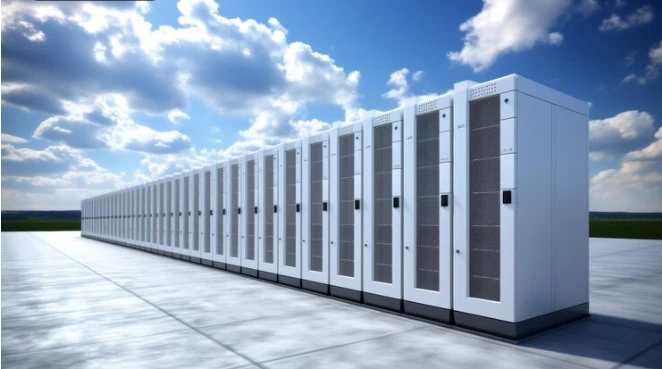

Data storage needs in modern businesses are growing rapidly. Organizations are creating, collecting, and analyzing immense amounts of data daily, from customer records to complex applications and analytics. Managing this influx of information requires solutions that are both scalable and reliable. This is where Network-Attached Storage (NAS) systems come into play. For enterprises aiming to streamline data accessibility while ensuring robust performance, NAS systems are crucial to laying the foundation of a scalable IT infrastructure.
This blog will explore what NAS systems are, why they are central to enterprise storage strategies, and the benefits they provide in terms of scalability, reliability, and efficiency. We’ll also provide actionable insights into how businesses can choose the right NAS solution for their unique needs.
What Exactly Are NAS Systems?
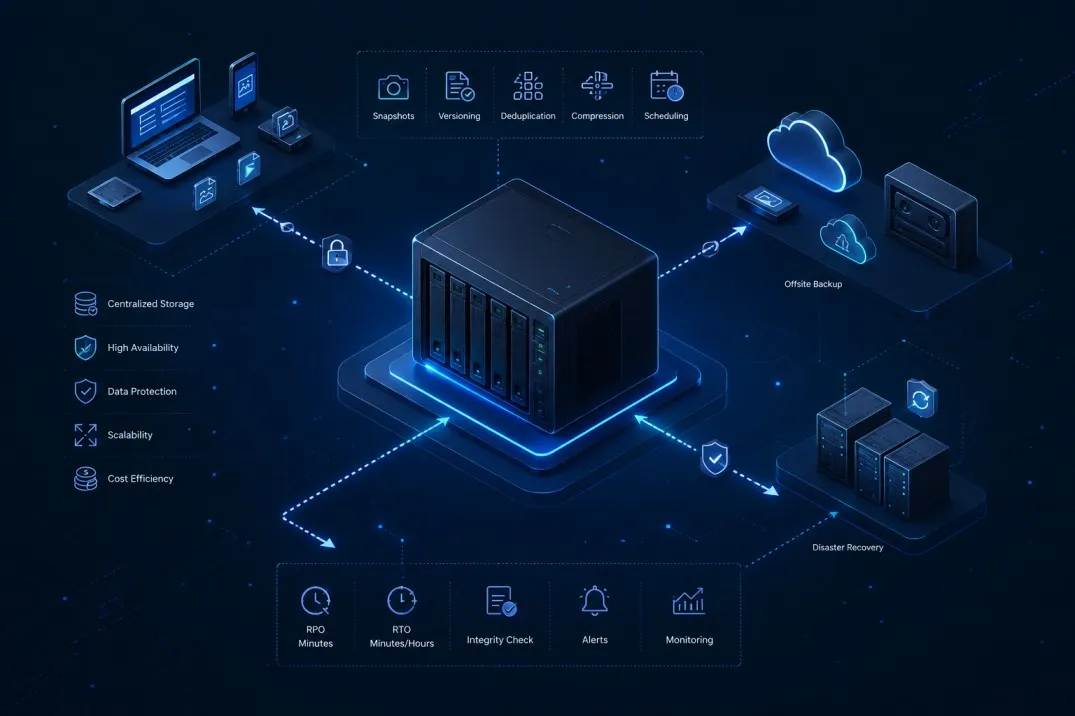
A NAS system is a dedicated file storage system that provides centralized data storage and access to multiple users and heterogeneous devices on a network. Unlike Direct-Attached Storage (DAS), which connects directly to a device such as a server, NAS systems function as independent storage units. These systems are connected to a network, making them accessible to numerous devices through standard protocols like SMB/CIFS or NFS.
NAS systems are widely used in both small businesses and large enterprises, as they support file sharing, data archiving, virtualization, and applications requiring extensive read/write operations.
Key Features of a NAS System:
- Data Centralization: Store all data in one location for easy access and management.
- Accessibility: Access data from any device in the network, regardless of platform or operating system.
- Scalability: Scale storage needs easily by adding more drives or units.
- User Permissions: Control who can access, read, or modify files for data security.
Why Are NAS Systems Essential for Enterprise Storage?
Modern enterprise NAS systems are equipped with advanced features that address a range of business challenges related to data management. Here’s why they’ve become a non-negotiable component for scalable and reliable storage solutions.
1. Unmatched Scalability for Growing Data Needs
One of the most significant advantages of NAS systems is their scalability. Enterprises often expand their operations, and with growth comes larger data volumes. NAS systems adapt easily to these requirements.
For example:
- Small startups can begin with entry-level NAS solutions to meet basic data requirements.
- Large corporations can deploy enterprise-grade NAS setups with more advanced features like clustering, superior throughput, and massive storage capacities.
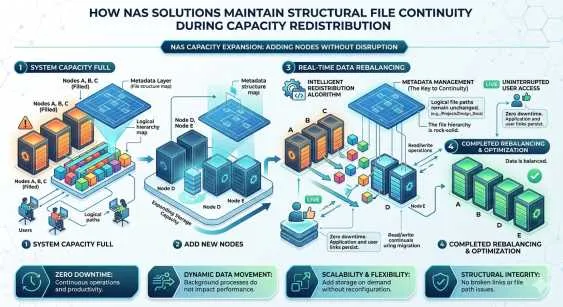
With a NAS system, businesses can add storage drives or even scale to multi-node NAS architectures without replacing the existing infrastructure. This "pay-as-you-grow" feature ensures a future-proof solution.
2. High Reliability to Protect Business-Critical Data
Data reliability is non-negotiable for enterprises. Loss of critical files can lead to operational disruptions, financial losses, and reputational damage. NAS systems are designed to offer robust reliability by integrating the following:
- RAID Configurations (Redundant Array of Independent Disks): Protect data by mirroring it or distributing it across multiple hard drives.
- Snapshot Technology: Automatically captures versions of files at specific intervals, enabling businesses to restore data in case of corruption or accidental deletion.
- Redundancy Protocols: Maintain seamless operations even during hardware failures, ensuring zero downtime for mission-critical applications.
Enterprise NAS systems often include hot-swappable drive bays, allowing IT admins to replace damaged drives without shutting down the system, thus enhancing uptime.
3. Enhanced Performance for Real-Time Access
Collaboration in modern workplaces depends heavily on the ability to access and share data in real time. NAS systems excel in delivering consistent high-speed performance:
- High throughput even under heavy network traffic.
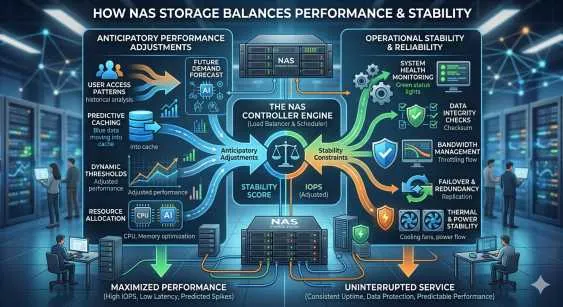
- Advanced caching mechanisms to reduce latency.
- Efficient workload distribution to manage multiple simultaneous users.
For enterprise-level businesses managing large datasets, such as media companies handling 4K video files or engineering teams working with CAD designs, NAS systems are optimized for speed and reliability.
4. Centralized Data Management
Maintaining multiple storage solutions across various departments or locations often leads to unnecessary complexity. NAS systems centralize data, allowing easier management and better organization of files. With enterprise-grade NAS solutions, IT administrators gain access to:
- Intuitive dashboards for monitoring and managing storage health.
- Built-in analytics for insights into storage usage trends.
- Centralized log access for troubleshooting and compliance auditing.
Centralization not only saves time and costs but also aligns with today’s data governance and security mandates.
5. Cost-Efficiency Over Time
Compared to large-scale SAN (Storage Area Network) solutions, NAS systems offer a much more cost-effective alternative, particularly for businesses that primarily operate with file-based workloads. Costs associated with:
- Additional servers,
- Technician requirements for SAN infrastructures,
- And third-party integrations
can often be minimized or eliminated with NAS systems. Furthermore, operational simplicity and energy efficiency contribute to reduced long-term Total Cost of Ownership (TCO).
Choosing the Right NAS Solution for Your Enterprise
Selecting the perfect NAS system depends on the unique needs of your business. Consider the following aspects while evaluating available options:
1. Storage Capacity
How much data do you need to store now, and how much do you expect to grow in the next five years? Look for NAS systems that align with both current needs and the ability to scale.
2. Performance
If your workloads involve intensive applications such as video streaming or virtualization, choose a NAS system equipped with fast processors, SSD caching, and multiple Ethernet ports.
3. Security Features
Opt for a NAS system with robust security mechanisms, such as AES 256-bit encryption, multi-factor authentication, and advanced permissions frameworks.
4. Support for Cloud Integration
Many enterprise NAS solutions now offer hybrid storage features, allowing you to connect on-site storage with cloud platforms. This enhances scalability and adds disaster recovery features.
5. Vendor Reputation
Ensure you invest in a reputable vendor that offers dependable customer service, regular firmware updates, and long-term support for hardware replacements and upgrades.
Real-World NAS Applications Across Industries
NAS systems are versatile tools for an array of industries. Some common real-world applications include:
- Media Production: Centralized storage for high-resolution images and videos.
- Education: Managing extensive student and faculty databases.
- Healthcare: Storage of and secure access to patient records and diagnostic images.
- Retail: Storing transaction logs, inventory data, and customer insights.
Discover Scalable Solutions with Enterprise NAS
Scalability, reliability, and cost-efficiency make NAS systems a vital choice for enterprises managing vast amounts of data. By integrating enterprise NAS systems into your IT environment, you’ll be well-equipped to handle growth, secure your data, and improve operational collaboration.
If you’re ready to explore what NAS systems can do for your business, reach out to a trusted provider for a tailored assessment of your storage needs. Start building infrastructure that’s as dynamic as your business.



























Sign in to leave a comment.