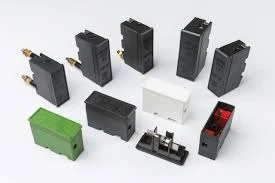

Semiconductor fuses are critical components in the world of electronics, particularly when it comes to protecting sensitive circuits. These specialized fuses are designed to safeguard delicate electronic systems from damage due to overcurrent, short circuits, or other electrical faults. Unlike standard fuses, semiconductor fuses are engineered with precision to meet the unique demands of high-tech applications. In this blog, we’ll explore why semiconductor fuses are essential for sensitive electronic circuits, their key features, and how they contribute to the reliability and safety of modern electronics.
What Are Semiconductor Fuses?
Semiconductor fuses, also known as high-speed fuses or rectifier fuses, are designed to protect semiconductor devices like diodes, transistors, thyristors, and integrated circuits. These components are often found in sensitive electronic systems, such as power supplies, motor drives, inverters, and renewable energy systems. Unlike traditional fuses, which are typically used in general-purpose electrical systems, semiconductor fuses are optimized for fast response times and precise current-limiting capabilities.
Semiconductor devices are highly sensitive to electrical surges and overcurrent conditions. Even a momentary spike in current can cause irreversible damage to these components, leading to system failures or costly downtime. Semiconductor fuses address this challenge by acting as a rapid-response barrier, interrupting the circuit before excessive current can harm the delicate components.
Why Sensitive Electronic Circuits Need Protection
Sensitive electronic circuits are the backbone of many modern technologies, from medical devices to telecommunications equipment to electric vehicles. These circuits often operate with low tolerances for electrical fluctuations, meaning even small deviations in voltage or current can lead to catastrophic failures. For example, a power surge in a solar inverter or a short circuit in a medical imaging device could not only damage the equipment but also pose safety risks.
The primary threats to sensitive circuits include:
- Overcurrent: Excessive current flow that exceeds the circuit’s design limits.
- Short Circuits: Unintended connections that cause a sudden surge of current.
- Voltage Spikes: Brief increases in voltage that can overwhelm sensitive components.
- Thermal Stress: Heat generated by excessive current, which can degrade or destroy semiconductors.
Semiconductor fuses are specifically designed to mitigate these risks by interrupting the circuit faster than standard fuses, ensuring the protection of high-value and sensitive components.
Key Features of Semiconductor Fuses
Semiconductor fuses stand out from traditional fuses due to their unique characteristics, which make them ideal for protecting sensitive electronic circuits. Here are some of their defining features:
- Ultra-Fast Response Time: Semiconductor fuses are engineered to react within milliseconds to overcurrent conditions. This rapid response is critical for preventing damage to sensitive components, which can be harmed by even brief exposure to excessive current.
- Current-Limiting Capability: These fuses limit the peak current that flows through the circuit during a fault, reducing the risk of thermal or mechanical damage to semiconductors. This is particularly important in applications where high fault currents could otherwise cause extensive harm.
- Low I²t Values: The I²t (current squared time) rating of a fuse indicates the amount of energy it allows to pass before blowing. Semiconductor fuses have low I²t values, meaning they minimize the energy delivered to the circuit during a fault, further protecting sensitive components.
- High Breaking Capacity: Semiconductor fuses can handle high fault currents, making them suitable for applications with significant power demands, such as industrial drives or renewable energy systems.
- Compact Design: Many semiconductor fuses are designed to fit into space-constrained electronic systems, ensuring they can be integrated into compact devices without compromising performance.
Applications of Semiconductor Fuses
Semiconductor fuses are used in a wide range of industries and applications where sensitive electronics are critical. Some common examples include:
- Renewable Energy Systems: In solar inverters and wind turbines, semiconductor fuses protect power electronics from overcurrent caused by grid faults or lightning strikes.
- Industrial Motor Drives: Variable frequency drives (VFDs) rely on semiconductor fuses to safeguard motors and control circuits from electrical faults.
- Medical Equipment: Devices like MRI machines and ultrasound systems use semiconductor fuses to ensure reliable operation and patient safety.
- Telecommunications: Sensitive telecom equipment, such as base stations and data centers, depends on these fuses to prevent downtime due to electrical surges.
- Electric Vehicles: In EVs, semiconductor fuses protect battery management systems and power electronics from short circuits and overcurrent conditions.
Why Semiconductor Fuses Are Preferred Over Standard Fuses
Standard fuses, while effective in general-purpose applications, are often too slow to protect sensitive electronic circuits. Their response times and current-limiting capabilities are not optimized for the fast-acting, low-tolerance requirements of semiconductor devices. Here’s why semiconductor fuses are the preferred choice:
- Speed: Standard fuses may take several milliseconds or more to blow, which is too slow for semiconductor devices that can be damaged in microseconds. Semiconductor fuses act almost instantaneously.
- Precision: Semiconductor fuses are designed to operate within tight tolerances, ensuring they only interrupt the circuit when necessary, avoiding nuisance tripping.
- Durability: These fuses are built to withstand the high-frequency switching and transient conditions common in modern electronic systems.
- Compatibility: Semiconductor fuses are tailored to work with the specific electrical characteristics of semiconductor devices, ensuring optimal performance.
Challenges and Considerations
While semiconductor fuses offer significant advantages, there are some challenges to consider. For instance, they are typically more expensive than standard fuses due to their specialized design and materials. Additionally, selecting the right fuse for a specific application requires careful consideration of factors like voltage rating, current rating, and I²t values. Engineers must also ensure proper coordination with other protective devices in the system to avoid conflicts.
Despite these challenges, the benefits of semiconductor fuses far outweigh the drawbacks in applications where reliability and protection are paramount. Their ability to prevent costly damage and downtime makes them a worthwhile investment for sensitive electronic circuits.
The Future of Semiconductor Fuses
As technology continues to advance, the demand for semiconductor fuses is expected to grow. Emerging fields likeprincipally because semiconductors are integral to these technologies, such as electric vehicles, 5G networks, and artificial intelligence, rely on increasingly complex and sensitive circuits. Semiconductor fuses will play a critical role in ensuring the reliability and safety of these systems.
Manufacturers are also developing smarter and more efficient fuses to meet the evolving needs of modern electronics. For example, some fuses now incorporate diagnostic features that provide real-time data on electrical conditions, enabling predictive maintenance and enhanced system reliability.
Conclusion
Semiconductor fuses are indispensable for protecting sensitive electronic circuits in today’s high-tech world. Their ultra-fast response times, current-limiting capabilities, and compatibility with semiconductor devices make them the go-to choice for safeguarding critical systems. From renewable energy to medical equipment to electric vehicles, these fuses ensure the reliability and safety of the technologies that power our lives.
By understanding the unique features and benefits of semiconductor fuses, engineers and designers can make informed decisions to protect their systems effectively. As technology continues to evolve, semiconductor fuses will remain a cornerstone of electrical protection, ensuring that sensitive circuits operate safely and reliably in even the most demanding applications.





























Sign in to leave a comment.