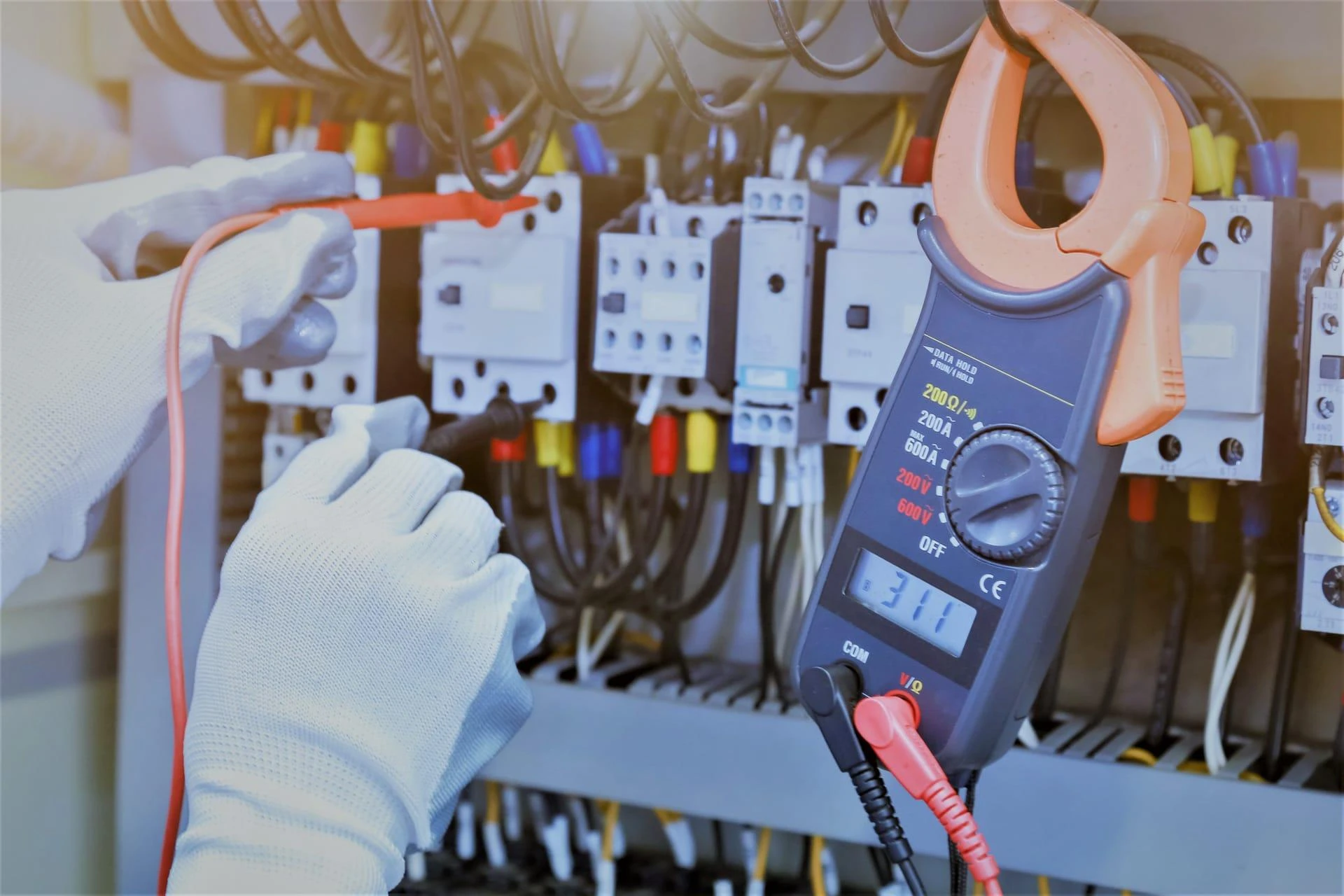

Electrical panels act as the foundation of any operational power system. These panels, often known as breaker boxes, allocate electricity securely and dependably throughout a home or building. However, as modern technology progresses and energy consumption increases, older panels can quickly become insufficient. Many qualified electricians strongly advocate for upgrading to advanced electrical panels to tackle these challenges, emphasizing enhanced safety measures, increased efficiency, and adherence to updated regulations. This guide delves into why these upgrades are essential, what property owners should consider, and how advanced panels deliver enduring advantages.
The essential role of modern electrical panels
Experienced electricians often discover outdated electrical panels in older properties, some of which were installed over several decades ago. For example, a professional might inspect a property built in the 1960s and uncover an antiquated fuse box that poses significant hazards. These older panels lack the capacity to manage today’s energy demands, including high-powered appliances, innovative HVAC systems, and electric vehicle charging stations.
Key indicators that a panel requires replacement include:
- Circuit breakers tripping frequently, signaling an overwhelmed system.
- The absence of grounded outlets throughout the structure.
- Physical deterioration such as corrosion or burn marks on the panel.
Upgrading to a contemporary panel resolves these issues while ensuring a consistent and robust power supply for all electrical needs.
How advanced panels enhance protection and longevity
One of the primary reasons electricians encourage upgrades is the significant improvement in safety. Aging panels frequently overheat, creating potential fire risks, particularly when paired with outdated wiring. Advanced panels integrate sophisticated circuit breakers that safeguard against overloading, short circuits, and electrical shocks.
According to the National Fire Protection Association (NFPA), electrical malfunctions remain a leading cause of residential fires in the United States. Replacing an obsolete panel with an advanced model considerably minimizes this danger.
Additional advantages include:
- Breakers designed to efficiently handle higher power loads.
- Ground fault circuit interrupters (GFCIs) for added security in moisture-prone areas like kitchens and bathrooms.
- Fire-resistant materials that enhance the panel’s overall resilience.
Achieving compliance with updated safety standards
Electricians prioritize ensuring that electrical systems conform to current safety codes. Outdated panels frequently fail to meet these evolving standards, which can lead to serious legal and financial consequences. Licensed electricians adhere to guidelines established by the National Electrical Code (NEC), which undergoes updates every three years to incorporate new safety innovations and technologies.
Non-compliance with these codes can create complications, especially during property sales or renovation projects.
Benefits of upgrading to a compliant panel include:
- Seamless passage through inspections with fewer setbacks.
- Fulfillment of insurance mandates for safety and liability coverage.
- Increased property value due to a modernized electrical infrastructure.

Improved energy efficiency and financial benefits
Upgraded electrical panels not only focus on safety but also support improved energy efficiency. By minimizing energy loss and accommodating high-efficiency appliances, advanced panels lead to noticeable reductions in utility expenses. Smart electrical panels, in particular, enable homeowners to track energy consumption and integrate seamlessly with renewable energy sources such as solar power.
The U.S. Department of Energy highlights that energy-efficient upgrades can lower household utility bills by up to 25%.
Key benefits of modern panels include:
- Compatibility with high-performance appliances and energy-saving technologies.
- Reduced strain on the electrical grid, providing both environmental and economic advantages.
- Streamlined integration with cutting-edge technologies, such as home automation systems.
Relying on expert electricians for panel upgrades
Replacing an electrical panel is a sophisticated task that demands the skills of a certified electrician. Attempting this work without proper training can lead to dangerous safety risks, void warranties, and violate local building codes. Professional electricians possess the expertise to evaluate your electrical setup, recommend the most suitable panel, and perform the installation with accuracy.
A standard panel upgrade involves multiple steps, such as:
- Conducting a comprehensive assessment of the property’s electrical needs and identifying potential vulnerabilities.
- Safely removing the outdated panel and rewiring connections to align with current safety standards.
- Verifying the performance of the newly installed panel to ensure efficiency and compliance with regulations.
Key insights for upgrading electrical panels
Upgrading to an advanced electrical panel is critical for enhancing safety, efficiency, and compliance within residential and commercial properties. Seasoned electricians emphasize the importance of proactively addressing outdated systems.
The benefits are undeniable:
- Advanced panels lower the risk of electrical fires and efficiently handle modern energy demands.
- Upgraded systems guarantee adherence to current safety standards, avoiding potential fines.
- Energy-efficient panels contribute to lower utility costs and support future technology adoption.
Whether addressing frequent electrical issues or planning home improvements, consulting a certified electrician about panel upgrades offers peace of mind and lasting value.
Frequently asked questions about upgrading electrical panels
How can I tell if my electrical panel needs an upgrade?
Frequent circuit breaker trips, flickering lights, or visible damage such as rust or burn marks are strong indicators. A professional electrician can assess your panel and provide expert advice.
What is the typical cost of upgrading an electrical panel?
Costs depend on factors like the panel size and project complexity, with most homeowners investing between $1,500 and $3,500 for an upgrade.
Can outdated panels damage appliances?
Yes, older panels may supply inconsistent power, potentially harming sensitive electronics and shortening the lifespan of major appliances.
Is a permit necessary for electrical panel upgrades?
In most regions, permits are required. Licensed electricians typically handle the permitting process to ensure compliance with local regulations.
Are smart panels a worthwhile upgrade?
Smart panels offer advanced features such as real-time energy monitoring, enhanced safety capabilities, and integration with renewable energy systems, making them a valuable choice for many homeowners.































Sign in to leave a comment.