Modular construction yards across Australia default to lightweight timber frames or structural insulated panels because they are cheaper to transport and faster to assemble. But structural engineers and commercial developers are running into serious hurdles with compliance, acoustic failures, and structural flexing once these modules hit the site block. They hold their ground firmly in modern constructions. The conversation is rarely about one material being perfect, and it is more about which compromise causes fewer problems two decades from now.
CONCRETE BLOCKS IN MODULAR CONSTRUCTION: THE COMPARISON MOST PEOPLE SIMPLIFY
Modular builds are often associated with speed, but the speed can distort decision-making. Materials get compared on installation rates, while durability, maintenance, exposure and long-term performance are all overlooked. When assessing concrete against lightweight framing systems, insulated panels, or composite alternatives, builders often weigh the following factors.
- Transport efficiency
- Structural capacity
- Fire resistance
- Acoustic performance
- Maintenance requirements
- Compliance obligations
The challenge is that not all these forms carry equal weight on every project.
DURABILITY BECOMES IMPORTANT IN THE LATER STAGES
Many alternative systems perform really well initially, but years of exposure to Australian conditions such as coastal salt, intense UV rays, seasonal storms, and occasional flooding reveal their true identity and character. The discussions also evolve, and, according to the guidance referenced in The National Construction Code, masonry construction remains widely recognised for its durability and fire performance in challenging environments.
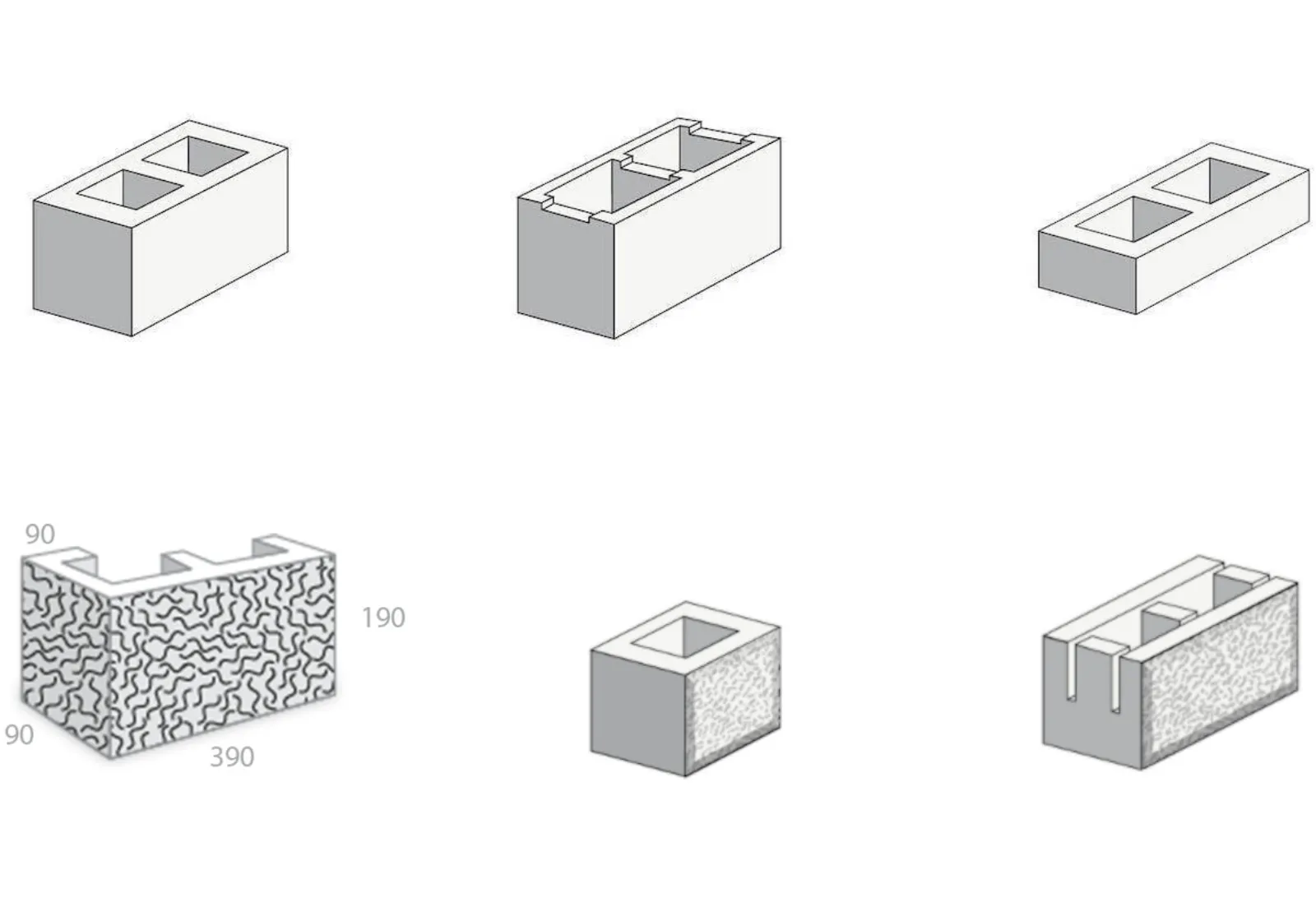
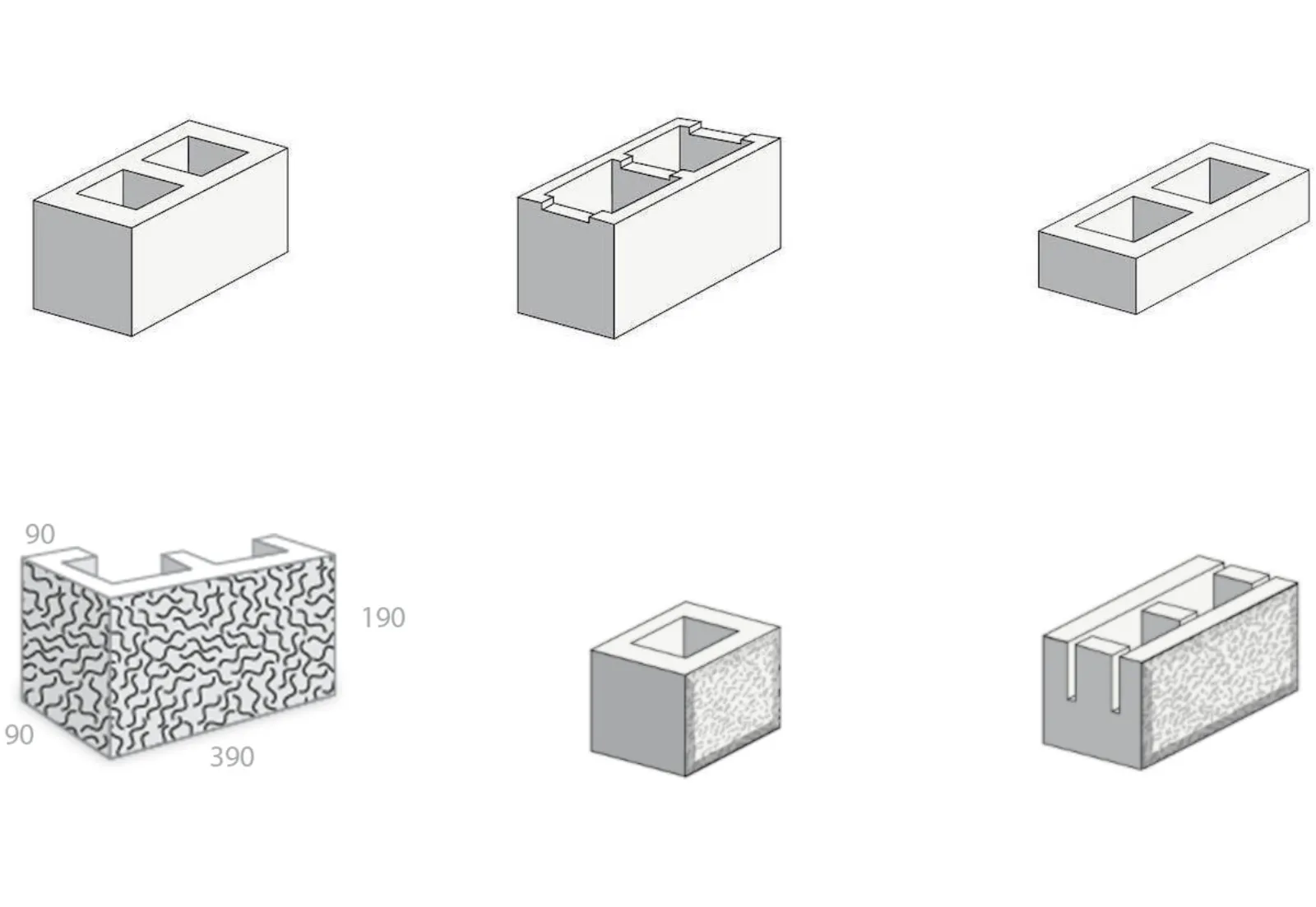
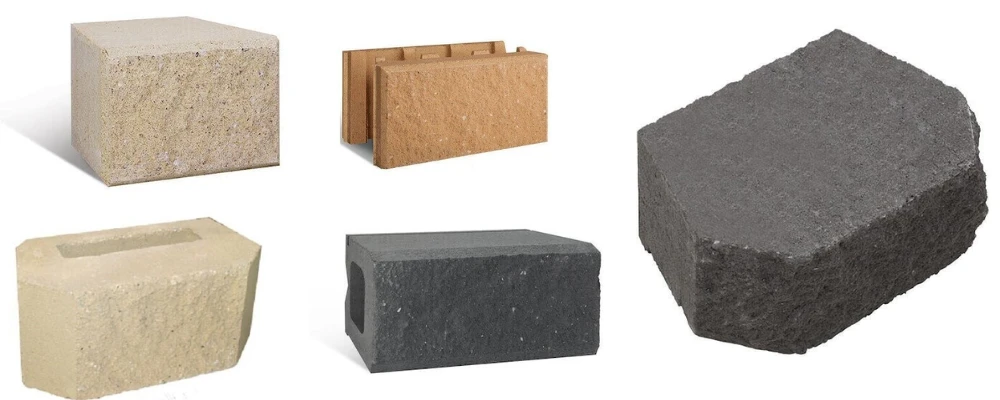
Concrete blocks that concrete blocks suppliers deliver, along with besser blocks for sale, generally tolerate impacts, weather exposure, and day-to-day wear better than many lightweight alternatives. The added resilience may not always be visible during procurement, but it plays a significant role in maintenance budgets, even a decade after installation.
THE SPEED VERSUS LIFE CYCLE COST TRADE-OFF
A common mistake is that builders and homeowners focus only on construction speed, but a wall installed faster is not automatically the cheapest. Retainer wall blocks are lightweight alternatives definitely reduce labour time, but additional requirements may emerge later in the form of –
- Extra acoustic treatments
- Protective cladding systems
- Ongoing repairs
- Replacement of damaged sections
Concrete machinery systems definitely require more planning during installation, and in that case, maintenance costs will remain comparatively predictable. A very useful rule that builders and homeowners can follow is: Fast construction saves months. Durable construction saves decades.
THERMAL MASS GIVES CONCRETE BLOCKS AN EDGE
Australian Energy Efficiency requirements evolve regularly, and research from Cement Concrete and Aggregates Australia (CCCA) highlights the thermal mass benefits of required products. Concrete blocks with higher thermal mass can absorb, store, and gradually release heat to help keep indoor temperature immune to fluctuations. This is an added advantage for modular builds located in inland New South Wales, South Australia or regional Queensland, as they reduce your dependency on mechanical cooling appliances.
WHAT MAKES CONCRETE BLOCKS A STRONG MODULAR CHOICE?
For many Australians, modular projects, concrete masonry offers:
- Long service life
- Strong fire resistance
- Reliable acoustic performance
- Impact durability
- Reduced maintenance exposure
- Thermal mass advantages
No building material wins every comparison, as concrete blocks are heavier and due to this, freight costs can increase, and installation methods can differ as well. But when durability, compliance and lifecycle performance are prioritised, the balance often shifts back towards masonry.
FAQs
ARE CONCRETE BLOCKS SUITABLE FOR MODULAR HOMES?
Yes. They are regularly used where durability, fire performance and long-term value are important.
DO CONCRETE BLOCKS COST MORE INITIALLY?
Yes, in some cases, installation and transport costs can be somewhat higher than the lightweight alternatives.
What is the biggest mistake builders make when ordering Concrete Blocks?
Failing to verify the drying shrinkage characteristics before ordering. High-shrinkage units will crack along the mortar joints when the modular frame is subjected to shipping vibration.
CAN CONCRETE MASONRY MODULES BE DEPLOYED IN BAL-FZ BUSHFIRE ZONES?
Absolutely. Concrete masonry is completely non-combustible. This makes it a preferred structural choice for modular extensions placed in high-risk Australian perimeter zones.
GROUNDED TAKEAWAY
If your sole project metrics are the lowest upfront procurement cost and minimum crane weight, lightweight framing wins. But if your modular development demands absolute structural longevity, acoustic isolation between tenancies, and bulletproof fire compliance, concrete masonry remains unmatched.
























Sign in to leave a comment.