

When discussing allergy management with patients, one point comes up repeatedly: preparedness. Having epinephrine available at all times is non-negotiable. But the question today is not just about carrying medication—it’s about how it’s delivered. More and more, medical professionals are recommending that patients explore an Epipen alternative for better outcomes.
Barriers Patients Face with EpiPens
From the clinic to the pharmacy, patients frequently voice frustration with EpiPens. High prices make them unaffordable for many families, and even those who purchase them often discover that the devices expire quickly. The burden of frequent replacements discourages patients from staying fully prepared.
Beyond cost, needle fear remains a major issue. I’ve seen children panic at the sight of an injector, and adults hesitate during emergencies. Unfortunately, hesitation can mean delayed treatment, and in anaphylaxis, delay is dangerous.
What Alternatives Offer
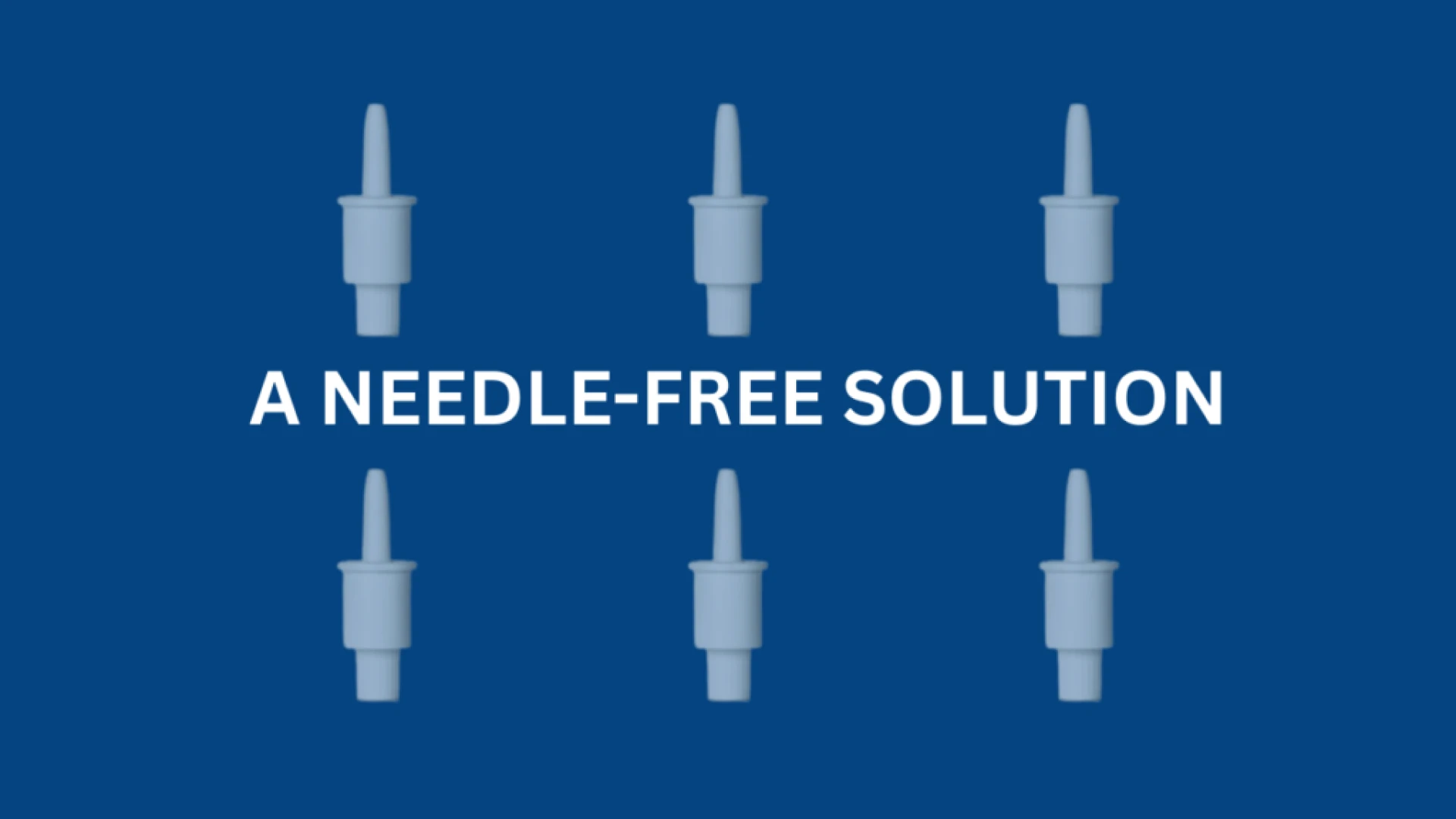
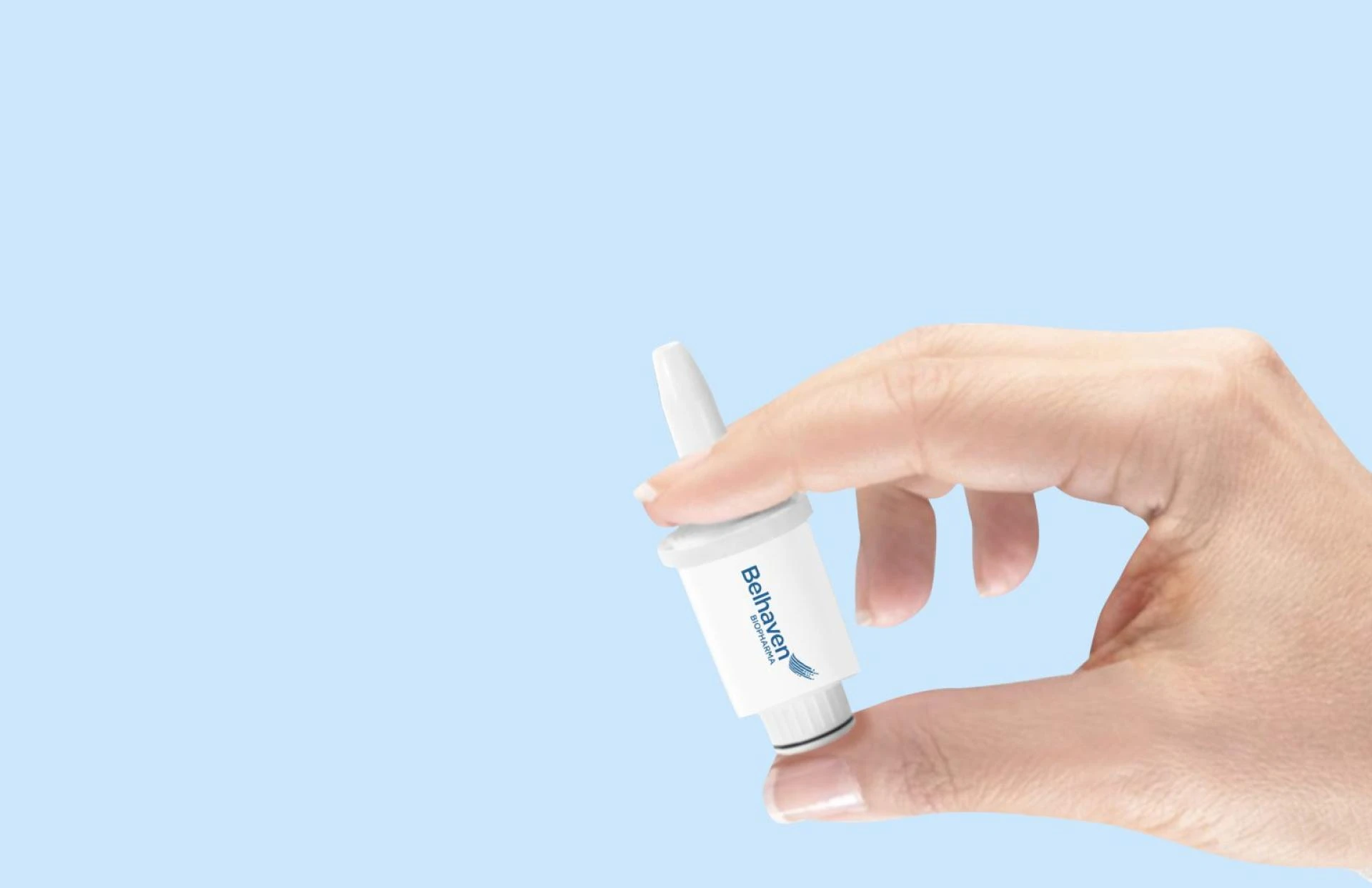
The new generation of epinephrine delivery systems addresses these concerns directly. Nasal sprays and other needle-free options provide rapid absorption, are simple to use, and eliminate the stress associated with injections. They are also easier to transport, with fewer storage restrictions.
As a doctor, I appreciate tools that my patients will actually use when it counts. If the design is intuitive, patients are far less likely to freeze or make errors in the heat of the moment.
Moving Forward with Patient-Centered Care
At its core, healthcare should reduce barriers, not add to them. The Epipen has been valuable, but it is no longer the only option. Patients deserve choices that fit their lives, reduce anxiety, and improve compliance.
That is why more physicians today encourage patients to talk about alternatives during consultations. For many, an Epipen alternative is not just another product—it’s a step toward safer, more reliable emergency care.
























Sign in to leave a comment.