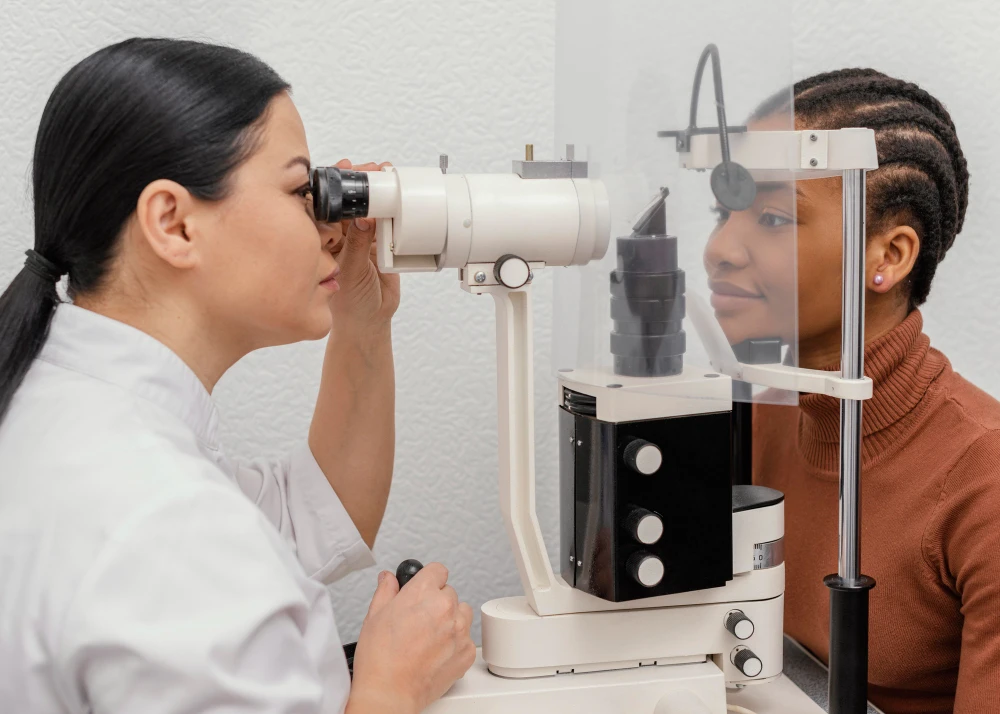

Vision is one of our most valuable senses, yet many serious eye conditions develop silently—without pain or early warning signs. Diseases affecting the retina can progress unnoticed until vision loss becomes irreversible. That’s why early detection is essential. As a retina specialist in Wesley Chapel patients trust, early diagnosis often makes the difference between preserving sight and permanent damage.
Understanding how retinal diseases develop, recognizing subtle symptoms, and seeking timely specialist care can significantly improve long-term visual outcomes.
Understanding the Retina and Its Role in Vision
The retina is a thin layer of light-sensitive tissue lining the back of the eye. It converts light into signals that the brain interprets as vision. Because of its complex structure and delicate blood supply, the retina is especially vulnerable to systemic conditions like diabetes, aging, and vascular disorders.
Even minor damage to the retina can lead to distorted vision, blind spots, or total vision loss if left untreated.
Why Early Diagnosis Is Critical for Retinal Conditions?
Many retinal diseases progress gradually and painlessly. By the time noticeable symptoms appear, damage may already be advanced. Early diagnosis allows for intervention before vision loss becomes permanent.
Key benefits of early retinal diagnosis include:
- Slowing or stopping disease progression
- Preserving central and peripheral vision
- Reducing the need for invasive treatments
- Improving long-term quality of life
- Enhancing treatment success rates
A retina specialist uses advanced diagnostic imaging to detect changes long before symptoms become severe.
Common Retinal Conditions That Benefit from Early Detection
Several serious eye conditions respond far better when diagnosed early:
- Diabetic Retinopathy – Early stages are often asymptomatic but can lead to blindness if untreated
- Macular Degeneration – Early monitoring helps preserve central vision
- Retinal Tears or Detachment – Immediate treatment can save vision
- Retinal Vein Occlusion – Early care reduces swelling and vision loss
- Macular Holes and Epiretinal Membranes – Early intervention improves outcomes
Routine eye exams and referrals to a retina specialist are essential for patients with diabetes, hypertension, or a family history of eye disease.
Advanced Diagnostic Tools Used by Retina Specialists
Modern retinal care relies on sophisticated technology to detect disease at its earliest stages. A retina specialist may use:
- Optical Coherence Tomography (OCT)
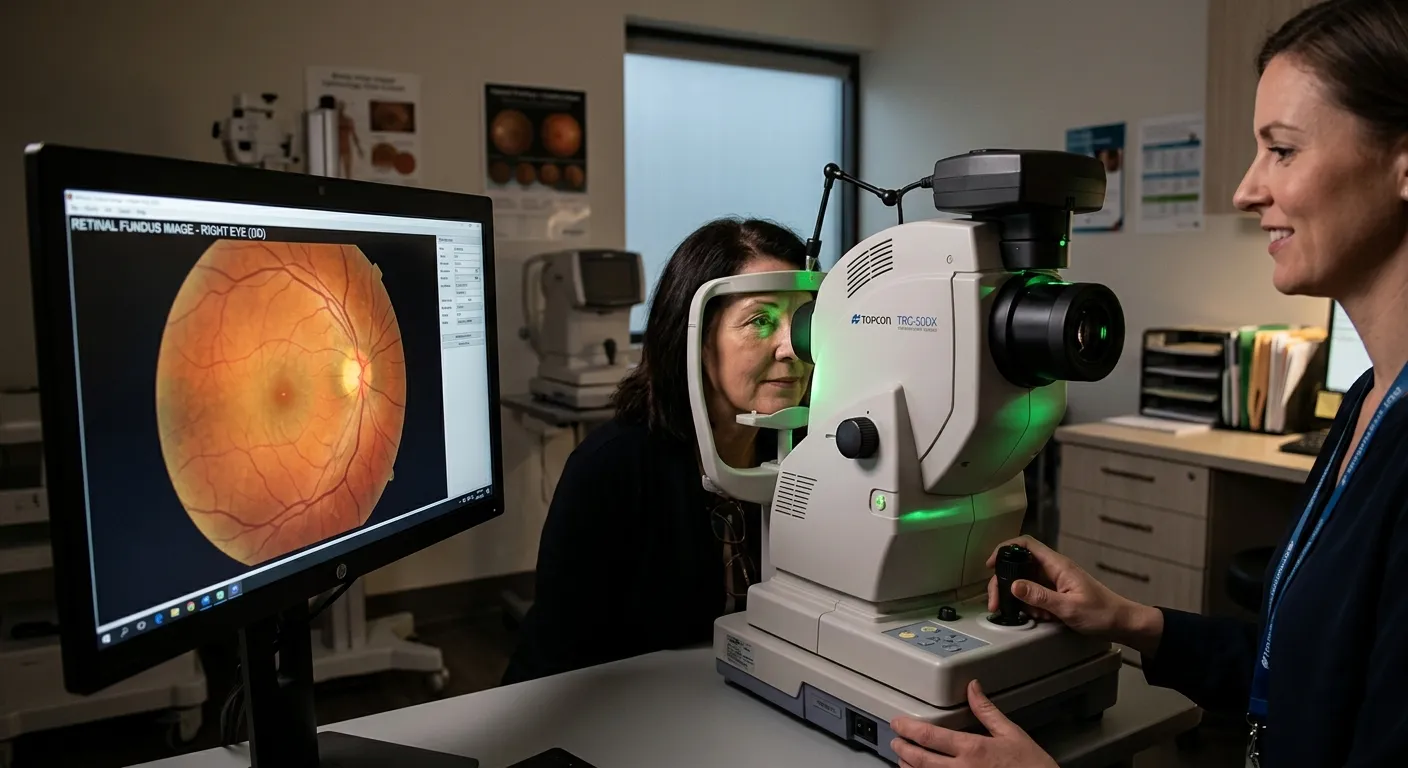
- Fundus photography
- Fluorescein angiography
- Dilated retinal examinations
- Ultrasound imaging
These tools allow for precise diagnosis, personalized treatment planning, and ongoing monitoring.
Warning Signs You Should Never Ignore
While many retinal conditions are silent, some symptoms require immediate attention:
- Sudden vision changes or blurriness
- Flashes of light or floating spots
- Dark shadows or curtain-like vision loss
- Distorted or wavy central vision
- Difficulty seeing at night
If you experience any of these, prompt evaluation by a retina specialist is crucial.
The Role of a Retina Specialist in Long-Term Eye Health
A retina specialist provides expert care for complex retinal diseases through ongoing monitoring, medical treatments, and surgical interventions when necessary. Early diagnosis allows specialists to create proactive treatment plans rather than reactive ones.
This specialized care supports not only vision preservation but also patient education, prevention strategies, and long-term eye health management.
Wrapping Up
When it comes to retinal disease, time matters. Early diagnosis empowers patients with more treatment options, better outcomes, and greater peace of mind. Regular eye exams and timely referrals to a qualified retina specialist can prevent avoidable vision loss.
Protecting your eyesight begins with awareness, routine screening, and prompt expert care. Early action today can safeguard your vision for years to come.




























Sign in to leave a comment.