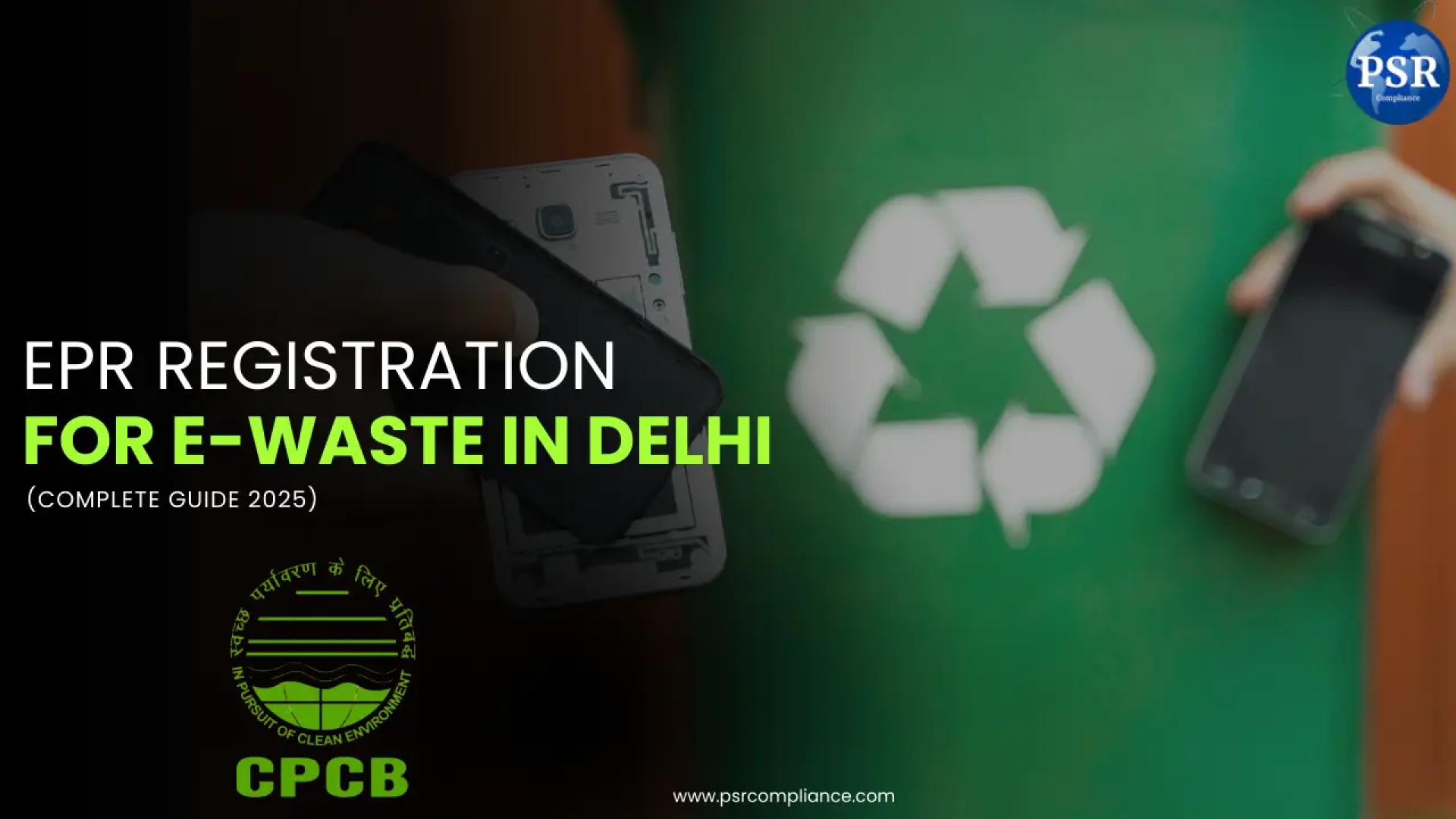

Electronic waste — or e-waste — is one of the fastest-growing waste streams in the world. With the rapid turnover of gadgets, appliances and other electronic products, managing discarded devices responsibly has become a pressing environmental issue. That’s where Extended Producer Responsibility (EPR) for e-waste registration comes in.
What Is EPR E-Waste?
Extended Producer Responsibility (EPR) is a policy approach that makes manufacturers responsible for the entire lifecycle of their products — including end-of-life disposal. In simple terms:
If a company makes or imports electronic products, it must take responsibility for what happens to those products when they become waste.
This includes collection, recycling and environmentally sound disposal.
EPR is not just good for the environment — it’s also a legal requirement in many countries, including India, where e-waste rules are evolving and getting stricter.
Why Registering for EPR Matters
Registering for EPR e-waste is more than a formality. It helps:
- Ensure Legal Compliance
Businesses that produce, import, or sell electronic products must register under the EPR framework to operate legally. Failure to register can lead to penalties and legal consequences. Promote Responsible Recycling
EPR registration means your business commits to setting up or funding proper e-waste collection and recycling channels — reducing landfill waste and toxic pollution.
- Build Brand Trust
Customers and partners increasingly care about sustainability. Being EPR-registered shows your company is socially responsible and future-ready. - Support a Circular Economy
By encouraging reuse and recycling, EPR helps conserve resources and reduce environmental harm — a win for businesses and communities alike.
Who Needs to Register?
EPR registration usually applies to:
- Manufacturers of electronics
- Importers of electronic goods
- Brands and sellers that put electronic products into the market
- If you’re part of the supply chain for electronics — even if you don’t make them yourself — it’s important to check whether you must register.
How the Registration Process Works
While specific procedures vary by country, EPR e-waste registration generally involves:
- Submitting company and product information
- Demonstrating a plan to manage e-waste responsibly
- Paying applicable fees
- Regular reporting on e-waste collected and recycled
Some governments also require periodic audits and compliance checks to ensure producers are meeting their obligations.
Final Thoughts
EPR e-waste registration might seem like a regulatory task, but it’s really about being part of a larger solution. Electronics are an essential part of modern life, but we also have a responsibility to ensure they don’t harm our environment once they reach end-of-life.
Getting EPR registered not only keeps you on the right side of the law — it strengthens your brand, supports sustainable growth, and contributes to a cleaner, healthier planet.
For more detailed guidance on EPR e-waste registration, check out this resource:
https://www.psrcompliance.com/epr-e-waste-registration




















Sign in to leave a comment.