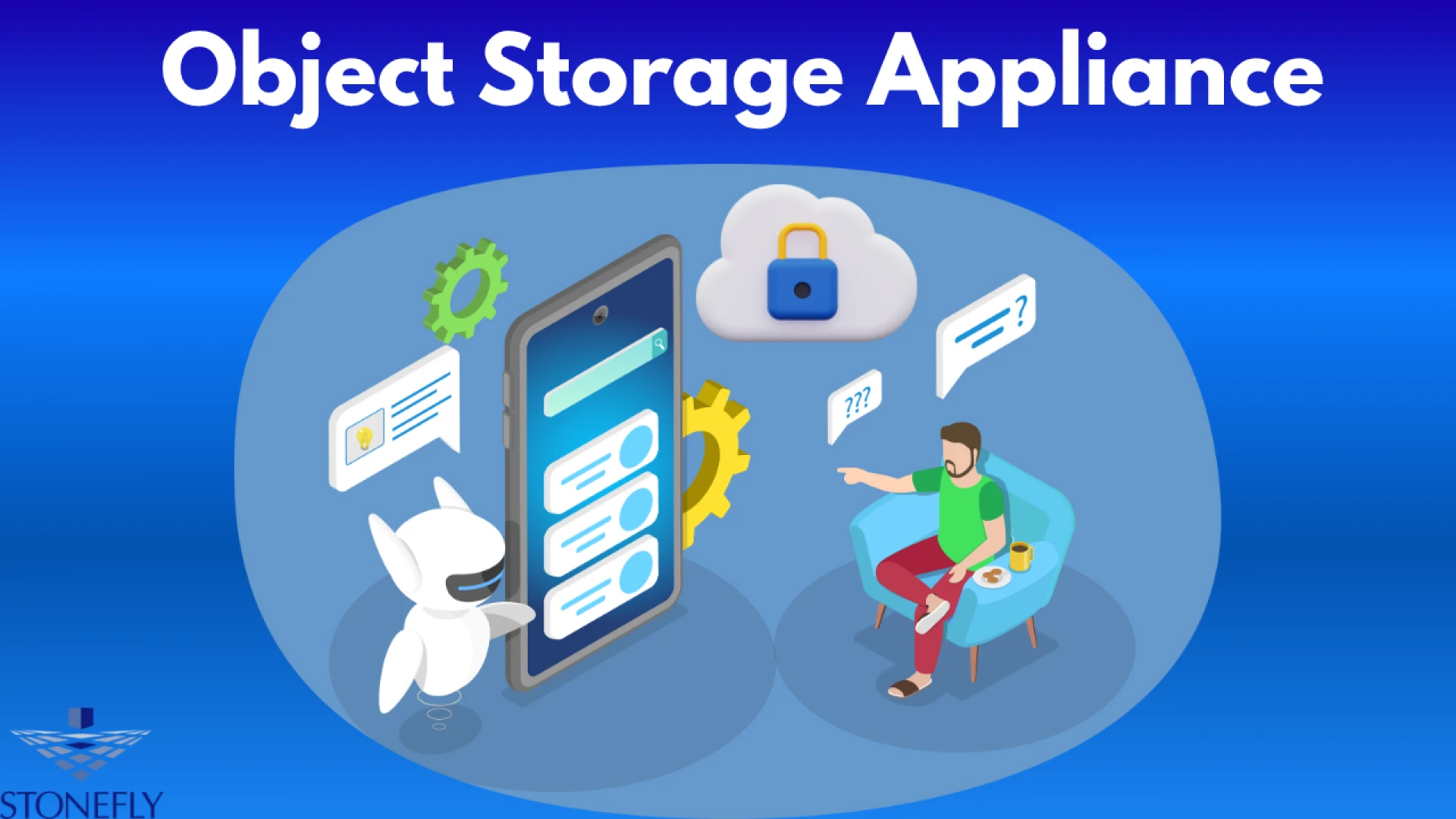

Centralized Data Hub: Why Every Business Needs a Unified Digital Command Center
In today’s data-driven world, managing files across multiple devices, departments, or cloud services can quickly spiral into chaos. That’s where the idea of a centralized data hub comes in—a single, secure, and structured storage platform where all your data resides in one place. No more hunting down documents across scattered drives or waiting for file access approvals. With the right tools, like an Object Storage Appliance, businesses can transform data sprawl into smart, centralized control.
From enhancing collaboration to boosting security, a centralized hub isn’t just an option anymore—it’s a necessity for modern organizations.
What Is a Centralized Data Hub?
A centralized data hub is like a digital headquarters where all data—documents, media, backups, analytics, and more—is stored and accessed from a unified location. Think of it as your organization’s digital “control tower,” guiding data flows and offering complete visibility into where everything lives.
Instead of dealing with data in silos—each department storing information on different platforms or local devices—you pull everything into a single repository. This hub allows for:
- Easier management
- Unified access control
- Enhanced security
- Faster collaboration
And most importantly, it cuts down on wasted time, duplicate files, and inconsistency.
The Dangers of Data Sprawl
What is Data Sprawl?
Data sprawl refers to the uncontrolled growth and scattered nature of digital information. Imagine everyone in your company saving their documents on different laptops, external drives, cloud folders, or personal emails. Over time, locating the "right" version of a file becomes a wild goose chase.
The more your organization grows, the more complex this sprawl becomes—leading to confusion, inefficiencies, and even data loss.
The Business Impact of Scattered Data
Here’s how unmanaged data sprawl can hurt your organization:
- Lost Productivity: Teams spend excessive time searching for files.
- Security Risks: Sensitive data might sit unprotected on local devices.
- Compliance Issues: Regulations like GDPR or HIPAA demand centralized control and audit trails.
- Version Control Nightmares: Multiple people editing different versions of the same file? Disaster waiting to happen.
A centralized data hub solves all of this by providing a single source of truth.
The Role of Object Storage Appliances
What Makes Object Storage Unique?
Traditional storage systems organize files in a hierarchical structure—folders within folders. Object storage, on the other hand, uses a flat structure and assigns metadata to each file (or "object"), making it ideal for large-scale, unstructured data storage.
An Object Storage Appliance brings these capabilities to your data center. It’s a dedicated hardware solution that combines high scalability, easy management, and strong data protection—all in one box.
How Object Storage Appliances Support Centralization
Here’s how they make your centralized data hub truly effective:
- Massive Scalability – Whether you’re storing terabytes or petabytes, the architecture scales without a hitch.
- Efficient Metadata Search – Need to find a file? Metadata indexing makes it quick and precise.
- Fault Tolerance – Data is spread across nodes, so even if a disk fails, your data remains intact.
- Multi-Tenant Architecture – Different departments can share the same appliance without stepping on each other’s toes.
By deploying an Object Storage Appliance, you consolidate your entire data ecosystem in a single platform that’s not only robust but also future-proof.
Key Benefits of a Centralized Data Hub
1. Improved Team Collaboration
When all teams access files from a shared repository, communication becomes seamless. Marketing no longer has to email IT for a report. Design doesn’t need to ping Product for the latest image assets. Everything is accessible—with permission levels, of course.
2. Reduced Redundancy
No more duplicate documents stored across multiple drives. A centralized hub allows teams to reuse and repurpose files rather than re-creating them, saving time and reducing storage costs.
3. Centralized Backup and Recovery
Backup strategies become easier to implement when all data lives in one place. Instead of running separate backup jobs for each department, IT can schedule centralized snapshots and perform unified disaster recovery.
4. Enhanced Security and Compliance
Data governance becomes manageable when you know exactly where your files are stored. Access controls, audit logs, and encryption protocols are much easier to enforce with a centralized system—especially one built on an Object Storage Appliance.
5. Analytics and Business Intelligence
When data is scattered, it’s nearly impossible to get the “big picture.” But centralizing it allows for robust analytics. Whether you’re tracking customer trends or performance KPIs, having all data in one place supercharges your ability to make smart decisions.
Use Cases Across Industries
Healthcare
Hospitals generate massive volumes of patient data, diagnostic images, and lab reports. A centralized data hub ensures quick access, reduced errors, and regulatory compliance.
Media and Entertainment
High-resolution videos, audio files, and graphic assets take up serious space. An object storage-powered hub streamlines collaboration between editors, producers, and clients.
Finance
From transaction records to customer portfolios, financial firms rely on fast access and airtight security. Centralization allows for controlled access, ensuring data isn’t leaked or mishandled.
Education
Universities and research institutions juggle curriculum material, student data, and research archives. Centralized storage simplifies data access for students and faculty alike.
How to Implement a Centralized Data Hub
Step 1 – Audit Existing Data Sources
Start by identifying where your data currently lives: cloud drives, physical servers, USBs, personal devices, etc. The goal is to get a full view of the data sprawl.
Step 2 – Choose the Right Storage Platform
Opt for scalable, secure, and manageable infrastructure—ideally, an Object Storage Appliance. This ensures future-proofing your storage strategy while simplifying access.
Step 3 – Create Access Policies
Not everyone needs access to everything. Build a system of user roles and permissions to maintain control over who can view, edit, or delete specific data.
Step 4 – Migrate & Organize
Transfer all necessary files to the centralized system and organize them using metadata tagging and directory structure (if needed).
Step 5 – Train Teams
Finally, educate staff on how to access, upload, and manage files in the centralized system to avoid misuse and maintain consistency.
Conclusion
In a world where data is the backbone of business operations, letting it sprawl across devices and departments is a recipe for inefficiency and risk. A centralized data hub, powered by robust solutions like an Object Storage Appliance, gives organizations a smarter, safer, and more streamlined way to manage their digital assets. Whether you’re a small business or an enterprise-level operation, consolidating your data is no longer a luxury—it’s a strategic imperative.
FAQs
Q1: How is a centralized data hub different from regular cloud storage?
A centralized data hub offers controlled access and unified management across departments and storage types, often using on-prem solutions like object storage. Cloud storage is typically broader and may lack the same level of internal control.
Q2: Can I integrate legacy systems into a centralized data hub?
Yes. With the right migration strategy and connectors, older systems can be integrated into modern centralized platforms, allowing data flow from all sources.
Q3: What are the cost benefits of a centralized hub?
You save money by reducing redundant storage, avoiding data loss, simplifying backups, and enhancing operational efficiency across teams.
Q4: Is centralized storage secure?
Absolutely. Especially when paired with encryption, role-based access control, and audit trails. Object Storage Appliances typically offer built-in safeguards against unauthorized access and data corruption.
Q5: Can a centralized data hub scale with my business?
Yes. That’s one of its biggest strengths. With object-based architecture, your storage can scale almost infinitely without sacrificing performance or control.






















Sign in to leave a comment.