
Car maintenance is not only about the comfort of the driver and the passengers. It is also a legal and safety matter that every vehicle owner must comply with. Failing to do routine maintenance can result in expensive repairs, a car that does not pass inspection, and even car crashes. Being clear about regular vehicle maintenance activities will allow car owners to be prepared all year round. This blog discusses the main points of keeping a vehicle roadworthy, such as what inspections check, what a full service involves, and how frequently these should be done.
The Importance of Regular Servicing
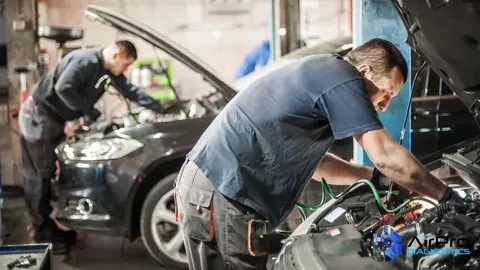
Has someone ever wondered how much a car service London differs from an annual vehicle safety inspection? Well, vehicle servicing not only involves regularly changing the parts that wear out, but also checking the overall health of the vehicle's engine. Keeping one’s engine tuned through vehicle servicing is one of the best ways to have a long-lasting and trouble-free vehicle.
Here are two major kinds of vehicle services:
- Interim service: After every 6,000 miles or six months (whichever comes first), a service like this should be on the cards. Besides changing the oil and the oil filter, during such a service, there will also be some basic safety checks on brakes, tyres, and fluid levels (including the windscreen washer fluid) (such as brake fluid, coolant, and power steering fluid).
- Full service: It is due every 12,000 miles or twelve months. It includes an interim service with additional air filter replacement, spark plug checks, fuel filter inspection, plus in-depth examination of belts.
If someone talks about full servicing, then it can be anything from 25 to 50 checks (depending on the garage and the vehicle type) to get an understanding of the owner’s car condition comprehensively.
What an Annual Inspection Covers
In an MOT inspection, checking if the car complies with the required minimum safety and environmental levels set by the authorities is one of the aspects. An MOT test is mandatory for all vehicles that are more than three years old. It is a very detailed check and covers several very important areas.
Here are just a few samples of the parts of a car that are checked during an inspection:
- Brakes: The braking system in all wheels must respond effectively and evenly.
- Lights: Headlights, brake lights, and indicators must all be in working order.
- Steering and suspension: The vehicle should steer without play or instability.
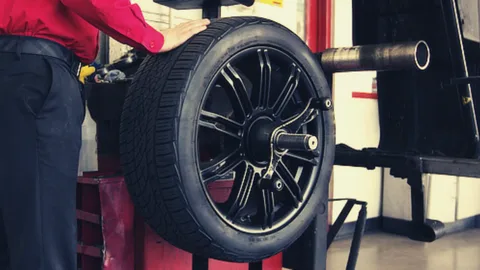
- Tyres: Treads should be at least 1.6 mm deep throughout the centre three-quarters.
- Exhaust and emissions: The vehicle’s emissions should not exceed the limits.
- Windscreen and wipers: The windscreen should be clear, and the wipers should clean effectively.
- Seatbelts: Each belt must be able to lock, retract, and release as necessary.
If a car fails in any of the above areas, it is illegal to drive until the repairs are finished and the vehicle passes the reinspection.
Major Reasons Why Vehicles Return With Failures
Numerous vehicles do not pass their yearly check due to factors that could have been completely avoided. The main fallback factors are frayed wiper blades, burnt-out bulbs, diminished tyre tread, and brake wear. These are not complicated issues that regular inspections cannot identify long before. Dealing with them right at the start will save both time and money.
Why Skipping a Service Costs More
It has been found that the reason why some people do not get their cars serviced is that they want to save money. Nevertheless, as a rule, this is the wrong solution. If someone does not change the engine oil, it gets old and no longer does its job properly. Also, it ends up damaging the engine prematurely.
Air filters, when they get clogged with old age, can become a real menace in terms of fuel efficiency. Similar to air filters, old and worn spark plugs are the root cause of engine misfires.
In all these cases, neglect will definitely escalate into bigger and more expensive repairs, and thus the moral of the story is that timely servicing is always a far less expensive option than repairing accidents and other forced damages.
Choosing a Reliable Local Garage
Choosing a location for the garage is very important. One that is very close to someone will be more accessible, the car will be ready quicker, and there'd be more chances of getting a personal service than what a big chain nationwide could offer. People who live in North London have the advantage of having garages near them that are knowledgeable about local roads and traffic levels.
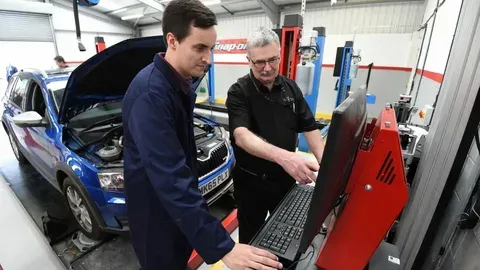
It won't be a problem to get an MOT in Tottenham because there are several accredited centres located within the vicinity. An efficient one will carry out the inspection thoroughly, offer the customer a report, and inform them of any areas for improvement discovered during the check.
Similarly, if one decides to go for a car service, it is advisable to pick one that is trustworthy, well-equipped with technical experts, offers understandable pricing, and shows the history of its services openly.
It makes sense to look for accreditation, get the opinion of consumers, and find out whether replacement parts are genuine or of high quality when assessing a garage.
How Often Should Checks Be Scheduled
The guideline is simple and basic:
- Yearly Inspection: Once per year (legally required for most cars).
- Interim Servicing: Anytime within 6 months and/or 6,000 miles.
- Full Servicing: Once every 12 months and/or 12,000 miles.
- Tyre Pressure Checking: At least once per month.
- Fluid Level Checking: Every few weeks, especially before long journeys.
Regular adherence to it helps ensure the car is safe, efficient, and complies with legal requirements all year round.
Conclusion
Maintaining a car properly is definitely one of the smartest choices a vehicle owner can make. Checking and servicing the vehicle regularly will not only decrease the chances of breakdowns but, at the same time, may lead to less costly major repairs down the road, and the vehicle should meet legal standards regarding road safety without a problem.
Also, one of the advantages of having a roadworthy car is that over time it will hold its value better, which is important in case one decides to sell it. The best initiative is to plan and have the vehicle checked rather than seeing the warning light or even a problem, getting worse. A little care today can save one from a big headache tomorrow.
























Sign in to leave a comment.