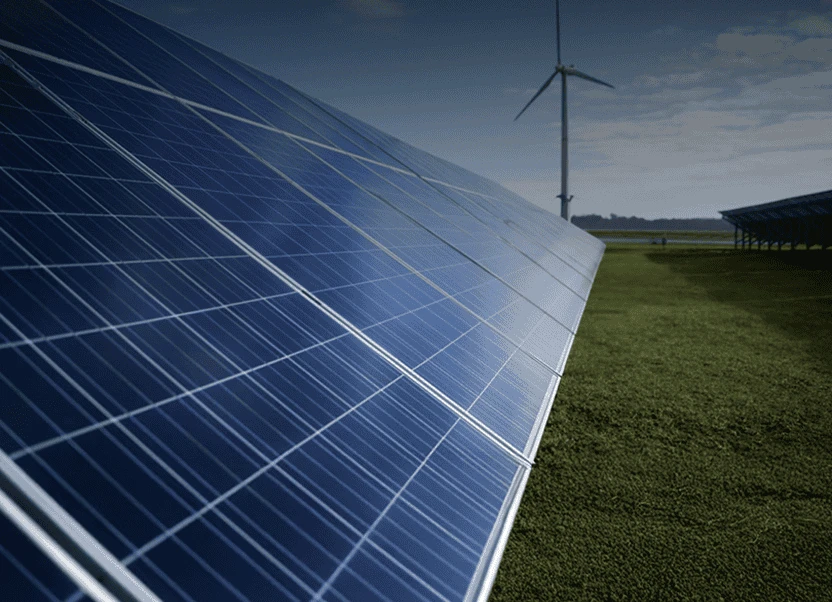

The Hidden Cost of Energy in Manufacturing
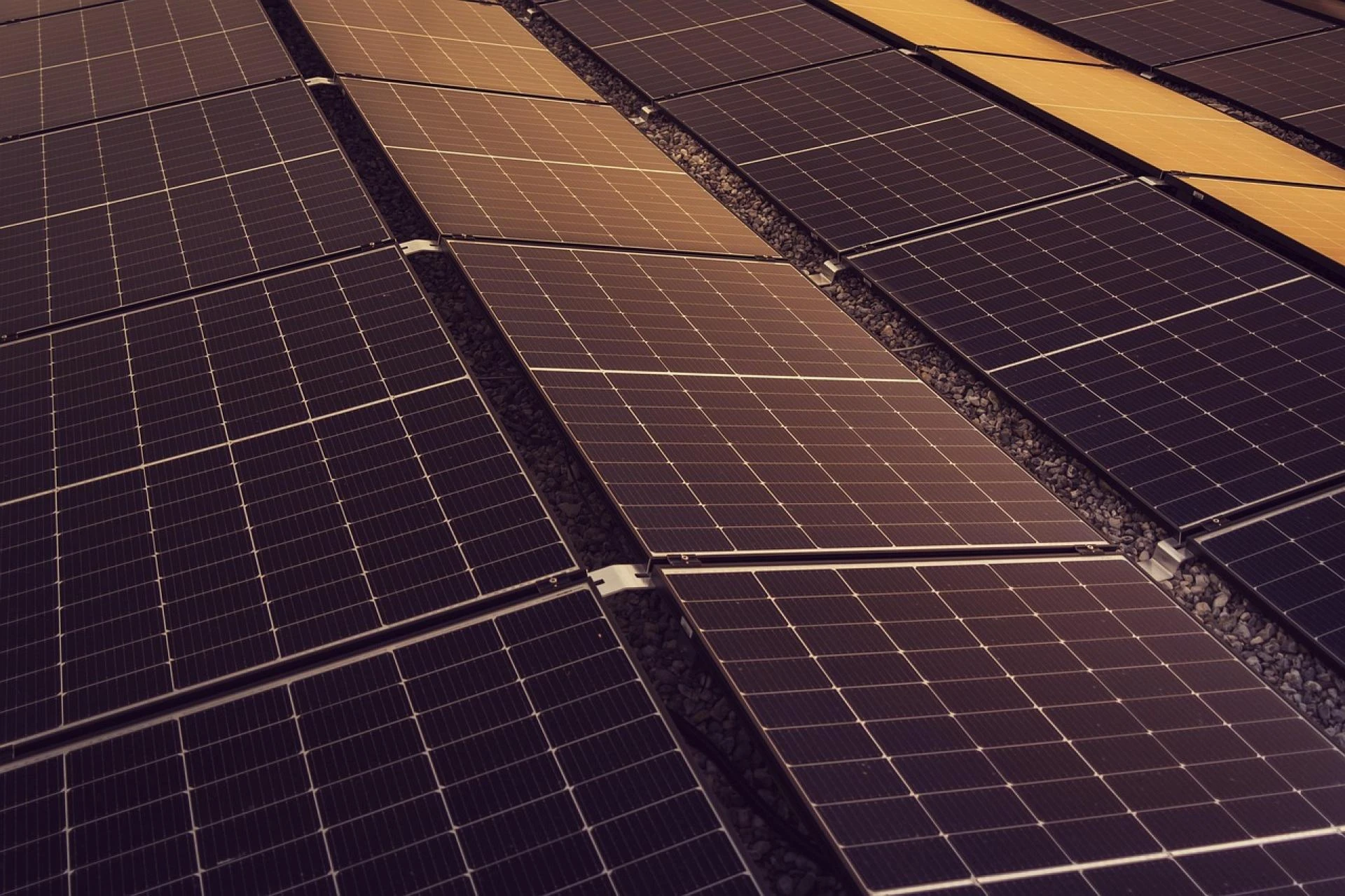
Electricity bills in manufacturing are not small. Yet many factories rely on the grid or diesel backup without thinking much about alternatives. Installing a solar power plant for manufacturing is more than a green choice. It’s a way to control a big cost.
Solar Is No Longer Complicated
A solar system for factory use is not complicated anymore. Panels are more efficient, inverters are smarter, and storage options are practical. Solar reduces grid dependence, stabilizes costs, and lowers operational risk. Many factories still see it as a PR move, but it works as a serious business decision.
Predictable Costs, Less Risk
Energy costs fluctuate and sometimes spike without warning. Every kilowatt-hour from the grid is money leaving your factory. With a solar power plant for manufacturing, you produce what you need. Medium-sized facilities can cover a significant part of their electricity needs with panels on the roof or the ground. It gives predictable energy without overpromising.
Operational Benefits You Might Not Expect
Solar is not just panels on a roof. It can integrate with batteries to reduce downtime, stabilize voltage, and protect sensitive equipment. Every minute a line is down costs money. Solar can act as a buffer and protect operations.
What About the Upfront Cost
Initial investment is higher than a simple grid connection. But solar does not depreciate like machinery. Financing options are flexible. Return on investment is often 4 to 6 years. After that the plant runs on mostly free electricity. Incentives like tax credits and accelerated depreciation are also available.
Scale and Flexibility Matter
Solar systems do not have to be huge. Small setups can cover peak load, larger systems can power entire floors. Some factories produce more than they consume and sell the extra to the grid. That adds revenue. Solar also reduces carbon emissions. Customers, investors, and regulators notice. A solar power plant for manufacturing shows forward thinking.
Addressing Hesitations
Many managers worry about maintenance, panel lifespan, or integration with existing systems. Panels last 25 to 30 years. Inverters need attention only occasionally if you choose good quality. Integration is mostly straightforward now.
Solar depends on sunlight. But careful planning of location, panel direction, and seasonal changes reduces most issues. Combining solar with minimal battery storage or a grid backup creates a reliable system. Flexibility matters.
The Cultural and Strategic Advantage
Employees notice when management invests in sustainability. It builds pride and engagement. Manufacturing is tough work, and small things that improve morale count.
Solar Hits the Sweet Spot
Manufacturing needs to lower emissions, control costs, and run efficiently. A solar power plant for manufacturing does all three. Waiting until costs spike or regulations tighten is reactive. Solar lets factories take control.
Should Your Factory Go Solar
If you have space, sunlight, and the willingness to reduce costs and risk, solar makes sense. It works as a business strategy. The factories that delay often pay more and miss incentives. Early adopters enjoy predictable costs, better resilience, and a cleaner image.


























Sign in to leave a comment.