
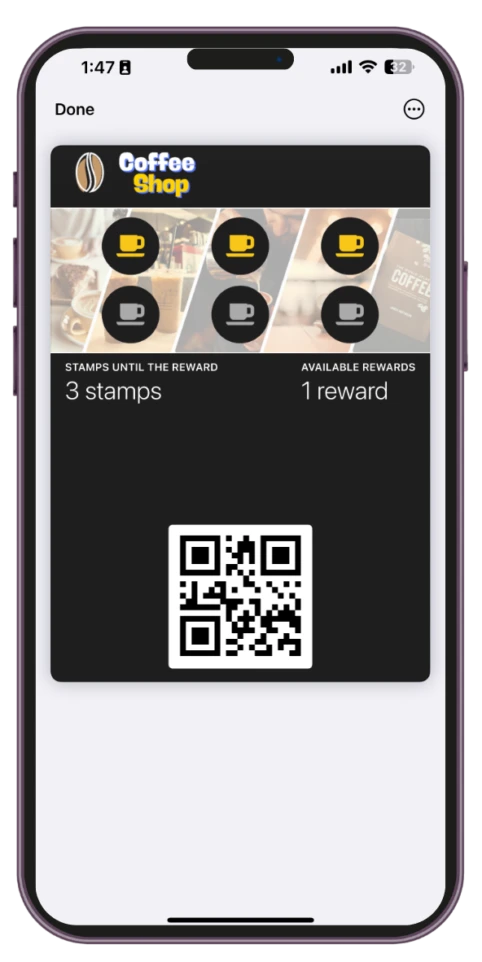
The Power of Appreciation in Business
Every successful business knows that its customers are its most valuable asset. In an era where competition is fierce and attention spans are short, retaining loyal customers is far more profitable than constantly chasing new ones. This is where a customer rewards program becomes a game-changer. It’s not just a marketing strategy — it’s a relationship-building tool that recognizes, appreciates, and incentivizes loyal customers while driving steady growth for your brand.
When customers feel valued, they’re more likely to return, spend more, and even advocate for your brand. Let’s explore how implementing a well-designed rewards program can elevate your business and strengthen long-term customer relationships.
What Is a Customer Rewards Program?
A customer rewards program is a structured marketing strategy that offers incentives to customers in exchange for their continued engagement or purchases. These programs are designed to reward loyal customers for their repeat business, encouraging them to stick with your brand instead of switching to competitors.
There are various types of customer rewards systems, including:
- Points-based programs: Customers earn points for every purchase, which they can redeem for discounts, free products, or exclusive experiences.
- Tiered programs: Customers unlock new levels of rewards based on their spending or engagement, motivating them to reach higher tiers.
- Subscription-based programs: Customers pay a small fee to receive ongoing perks such as free shipping or early access to sales.
- Referral programs: Customers receive incentives for bringing in new clients, effectively turning them into brand ambassadors.
The structure you choose depends on your business model, target audience, and long-term objectives.
Why Customer Retention Is More Profitable Than Acquisition
Acquiring new customers is crucial, but retaining existing ones is where true profitability lies. Studies show that it costs five times more to acquire a new customer than to retain an existing one. Additionally, loyal customers tend to spend 67% more than new ones over time.
When your business focuses on keeping customers happy through rewards, you create a sense of belonging. This emotional connection often leads to repeat purchases, referrals, and a stronger brand reputation. A thoughtfully designed loyalty or rewards program can transform one-time buyers into lifetime supporters.
The Psychology Behind Reward Programs
Human psychology plays a huge role in the success of a rewards system. People love recognition and positive reinforcement. When customers earn something — even a small discount or bonus — they feel a sense of achievement. This feeling of being appreciated strengthens their emotional bond with your brand.
Rewards also activate the brain’s “pleasure centers,” creating a positive association with your business. Each time customers earn points or unlock rewards, they experience a small but powerful dopamine boost, encouraging them to engage more frequently.
In short, customer rewards programs don’t just drive sales — they build emotional connections that money alone can’t buy.
Benefits of Implementing a Customer Rewards Program
1. Improved Customer Retention
A rewards system encourages customers to keep coming back to earn and redeem their points or perks. Over time, this consistency builds a loyal customer base that drives sustainable growth.
2. Increased Customer Spending
Customers enrolled in a loyalty program tend to spend more. They often aim to reach the next reward level or unlock special offers, which leads to larger or more frequent purchases.
3. Enhanced Brand Engagement
A good program isn’t limited to discounts. It can include exclusive experiences, sneak peeks, or members-only events. These interactions make your customers feel special and increase engagement.
4. Valuable Customer Insights
By tracking purchase history and engagement patterns, you gain a clearer understanding of customer behavior. This data helps you personalize offers, optimize marketing strategies, and improve your overall customer experience.
5. Word-of-Mouth Marketing
Satisfied and rewarded customers often share their positive experiences with friends and family. This natural advocacy brings in new customers who already trust your brand, thanks to the endorsement of someone they know.
How to Create a Successful Customer Rewards Program
1. Understand Your Audience
Before designing your program, analyze your target customers’ preferences and purchasing habits. A one-size-fits-all strategy won’t work. Tailor your rewards to match what your customers truly value.
2. Keep It Simple
Customers should easily understand how to earn and redeem rewards. Complicated rules or restrictions can lead to frustration and disengagement. Clear communication is key.
3. Offer Meaningful Rewards
Rewards should be relevant and appealing. Discounts, free products, early access to sales, or personalized offers work well. The more value your customers see, the more likely they are to participate.
4. Leverage Technology
Digital tools make it easier to manage and track loyalty points, automate communication, and provide real-time updates. Mobile apps or email notifications keep customers informed about their progress and upcoming rewards.
5. Promote Your Program
A well-designed program won’t succeed unless people know about it. Promote it across your website, social media, newsletters, and in-store displays. Encourage sign-ups with an initial welcome bonus.
6. Measure and Optimize
Regularly analyze your program’s performance. Track metrics like retention rate, average order value, and redemption frequency. Use this data to refine your strategy and maximize effectiveness.
Real-World Success Stories
Many global brands have demonstrated the power of a customer rewards strategy. For example:
- Starbucks Rewards has millions of members who enjoy free drinks, personalized offers, and early access to new products. The result? Higher spending and brand loyalty.
- Sephora’s Beauty Insider Program keeps customers engaged with points, birthday gifts, and exclusive experiences, turning makeup shopping into a community-driven journey.
- Amazon Prime, though a paid membership, functions as a loyalty model that offers free shipping, entertainment, and exclusive deals — a perfect example of rewards creating long-term relationships.
These brands understand that loyalty programs aren’t just about giving discounts — they’re about offering value, recognition, and emotional connection.
The Future of Customer Loyalty
With the rise of digital tools and data analytics, loyalty programs are becoming smarter and more personalized. Businesses are now integrating artificial intelligence and machine learning to predict customer preferences and deliver hyper-personalized rewards.
Additionally, eco-friendly or value-based rewards are becoming popular — such as donating to a charity or supporting sustainability efforts on behalf of customers. This approach not only strengthens loyalty but also aligns your brand with social responsibility.
Conclusion: Loyalty That Lasts
A customer rewards program is more than a marketing gimmick — it’s a long-term investment in your customer relationships. When done right, it creates a win-win situation: customers feel appreciated, and businesses enjoy consistent revenue and growth.
By offering meaningful rewards, maintaining transparency, and continuously improving the experience, you can turn casual buyers into passionate brand advocates. In today’s competitive landscape, loyalty is priceless — and rewarding it is the smartest business move you can make.






























Sign in to leave a comment.