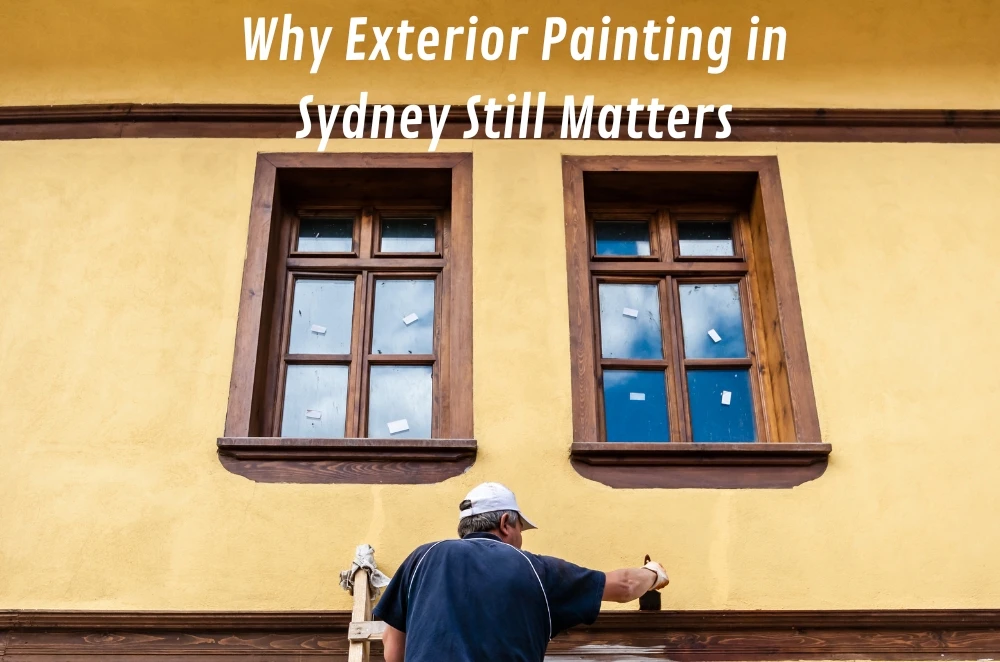

Sydney’s weather has its own way of testing a home, and exterior paint cops with most of that punishment. Between salt winds that creep inland, the hard summer glare and sudden winter downpours, surfaces age faster than most people assume. That’s why we keep pointing homeowners toward exterior painting Sydney, not as a quick cosmetic patch, but as one of the smartest maintenance moves they’ll make. A sound paint system protects the structure, slows timber movement, holds back moisture and keeps render from chalking itself into a mess. Give it time now, and it buys years of stability later. Skip it, and repairs stack up fast.
What problems usually show up first on Sydney exteriors?
It’s usually the joints, edges and the sun-struck faces that fail first. These spots take the brunt of UV, movement and moisture, so problems spread quickly when left alone.
Timber gaps start opening, and once the salt settles into those cracks, paint loses grip. Render begins showing hairline fractures that suck in water. Even metal fascia rusts around poorly prepped screw points. None of these issues starts loud; they creep. One day, the finish looks a bit flat, and a season later, the coating has lifted off in sheets. That’s the Sydney cycle when surfaces aren’t sealed properly.
The fix starts with truth-telling about the substrate. Is the paint flaking because of moisture pushing from behind, or did the last coat simply go on too thin? Are we dealing with tannin bleed from hardwoods, or is it just surface chalk? Each issue demands something different—stabilising primers, flexible sealants, or sanding back to a sound edge. It’s slow work, but it’s the only way to stop the same failures from returning.
• Seal end-grain timber before the first coat
• Use membrane paints on cracked render
• Stick with UV-stable pigments for western walls
• Wash down salt regularly if you’re coastal
When should we actually schedule exterior painting to avoid failures?
Aim for stable weather: low humidity, mild temperatures, and no rain trailing the forecast. Rushing paint between storms is how failures start.
Sydney’s microclimates don’t make planning easy, though. A job in the Hills isn’t the same as a job near the beaches. Surfaces heat differently, humidity swings harder, and wind brings its own hassles. But consistency matters more than anything. A surface that looks dry can still hold enough moisture to push fresh paint straight off. Taking the extra day to let a wall settle often saves months of rework.
Prep is half the labour: washing down salt, scraping failing sections, repairing cracks, priming bare patches and cutting back swollen joints. Skipping any step just shifts the problem into the next season. And timing each coat matters—respecting recoat windows, avoiding late-afternoon paints that dew up overnight, and keeping surfaces shaded when possible.
• Keep surface temps under 30°C
• Avoid painting if dew is likely
• Give prime coats full cure time
• Budget time for proper sanding
Which paint systems actually cope with Sydney’s weather?
High-quality acrylic systems with UV-resistant pigments outperform budget paints every time. They hold colour longer, resist chalking and cope with thermal movement better.
On timber, flexibility is the game. Rigid systems crack the moment boards shift through heat or moisture. On metals, rust conversion and the right primers matter more than the topcoat itself. Rendered surfaces need breathable coatings so trapped moisture can escape without blistering the finish. And for homes coping with harsh western sun, heat-reflective paints can make the entire building feel cooler.
Choosing sheen levels comes down to reality: low-sheen is forgiving on broad walls, semi-gloss protects trims and doors, and gloss stays for metal where durability counts. What matters most isn’t the label—it's the system behind it, the thickness of the coats, and the patience during application. A rushed paint job looks good on day one, but rarely survives a Sydney summer with dignity.
Conclusion
Sydney isn’t gentle on homes, and paint is usually the first line to give way. But with the right timing, prep and product selection, an exterior can hold strong through salt, storms and scorching sun. And for anyone still wondering why exterior painting matters, this deeper look at the value behind a proper repaint pulls the whole picture together. We’ve seen how small maintenance steps—washing down salt, sealing joints, choosing UV-stable colours—can keep a façade looking sharp for years instead of months.

























Sign in to leave a comment.