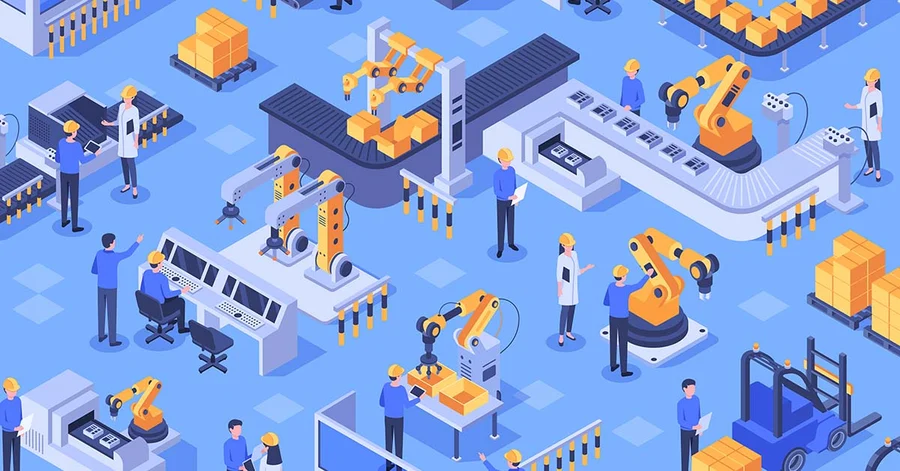

You are standing on a factory floor and the silence is actually quite loud. It is not the quiet of a productive morning but the silence of a missing shift. Somewhere between the roster being printed last night and the gate opening this morning, a gap appeared in your labor force.
If you have spent any time managing large-scale manufacturing or complex facility management projects, you know this gut-sinking feeling. You realize quickly that the shiny, generic HRIS systems used by tech startups in high-rise offices simply do not hold up when you are dealing with three-shift rotations, safety certifications, and specialized labor on a production line.
The High Stakes of Asset-Heavy HR
Most human resource software is designed for people who sit at desks and answer emails. It handles vacation requests and annual performance reviews just fine. But what happens when you need to know if the person operating a heavy-duty crane has an expired safety permit?
In asset-heavy industries like production or facility management, HR is not just an administrative back office function. It is an operational. You need a system that understands the nuance of a deskless, mobile and risky workforce.
Compliance is not just a checklist
You are likely dealing with a volatile mix of full time staff, seasonal contractors and specialized technicians. Each group has different compliance needs. If your system cannot flag a credential gap before a worker hits the floor, you aren't just looking at a clerical error. You are looking at a potential total shutdown or a massive legal liability.
Have you ever tried to manually track the certifications of four hundred technicians across six different project sites using only a spreadsheet? It is a method for burnout and catastrophic human error.
Solving the Roster Puzzle in Manufacturing
Effective management in manufacturing or project-based work relies entirely on the precision of your scheduling. This is where most HRIS systems fail to bridge the gap between HR and the shop floor. You do not just need a digital calendar. You need a logic engine that understands labor laws, fatigue management and skilled routing.
The system should stop you immediately when you schedule a worker for a double shift. This goes without realizing they have already hit their legal limit. It shouldn't be a post-mortem discovery found in a report three weeks after the audit. Think about the friction caused by "overtime leakage." It happens when you don't have visibility into who is working what, often leading to ballooning costs that eat into your project margins. When you move away from paper-based tracking or basic spreadsheets, you start to see exactly where your labor spend is going. You stop guessing and start optimizing.
What a robust operational system actually does:
- Automated Shift Logic: It accounts for breaks, rotation patterns, and "fair work" regulations without manual intervention.
- Skill Mapping: It ensures the person assigned to the machine actually has the specific training to operate it safely.
- Fatigue Tracking: It monitors hours worked across multiple sites to prevent accidents before they happen.
- Real-time Attendance: It links directly to gate access or biometric points so you know who is on-site the second they arrive.
Moving Toward Operational Precision
Digital transformation is often discussed as a broad, abstract goal, but at the enterprise level, it is about solving the immediate, tangible challenges that keep you up at night. It is about ensuring every employee on your payroll is accurately accounted for, fully compliant, and positioned to contribute effectively. HR software and HRIS should not be confined to the HR department - in production heavy environments, it belongs in the hands of plant managers, site supervisors, and project leads who drive day to day operations.
Stop trying to force fit a generic system into a highly specialized world. The needs of a manufacturing plant or facility management operation are unique, and your technology should reflect that reality. Investing in a robust HRIS system (daily HR management solution) allows you to move past firefighting, streamline operations, and focus on the long term health of your workforce and your bottom line. You deserve a system that works as hard as the people on your shop floor do.


















Sign in to leave a comment.