

In 2025, cars are no longer just a means of transportation—they are smart, connected machines designed to improve safety, convenience, and efficiency. One technology that has become essential in modern vehicles is GPS (Global Positioning System). From real-time tracking to enhanced security and navigation, GPS tracking in cars has evolved into a must-have feature rather than a luxury.
Growing Need for GPS in Cars
With increasing vehicle theft, traffic congestion, and road safety concerns, GPS tracking has become a practical solution for car owners. In 2025, urban expansion and rising vehicle density mean drivers need smarter tools to manage daily commuting and long-distance travel. GPS systems provide accurate location data, route optimization, and real-time updates, making driving safer and more predictable.
Enhanced Car Security
One of the biggest reasons GPS tracking is essential in cars is theft prevention and recovery. If a car is stolen, a GPS device allows owners and authorities to track the vehicle’s exact location in real time. Many advanced GPS systems can send instant alerts when unauthorized movement is detected. This feature significantly increases the chances of vehicle recovery and reduces financial losses.
Real-Time Navigation and Traffic Updates
Traditional navigation methods are outdated in today’s fast-moving world. GPS systems in 2025 offer real-time traffic updates, accident alerts, road closures, and alternative routes. This helps drivers save time and fuel while avoiding unnecessary delays. Unlike mobile navigation apps, built-in GPS systems work seamlessly with the vehicle, ensuring better accuracy and reliability.
Improved Road Safety
Safety is a major concern for drivers and families. GPS tracking systems contribute to safer driving by offering features such as speed monitoring, geofencing, and driving behavior analysis. Parents can monitor teen drivers, while fleet owners can ensure drivers follow safety guidelines. In emergency situations, GPS-enabled SOS features can quickly share the vehicle’s location with emergency services.
Fuel Efficiency and Cost Savings
In 2025, fuel efficiency is not just about saving money—it’s also about reducing environmental impact. GPS systems help optimize routes, avoid traffic congestion, and minimize idle time. By choosing the shortest and fastest routes, drivers can significantly cut fuel costs and reduce vehicle wear and tear.
Support for Smart and Electric Cars
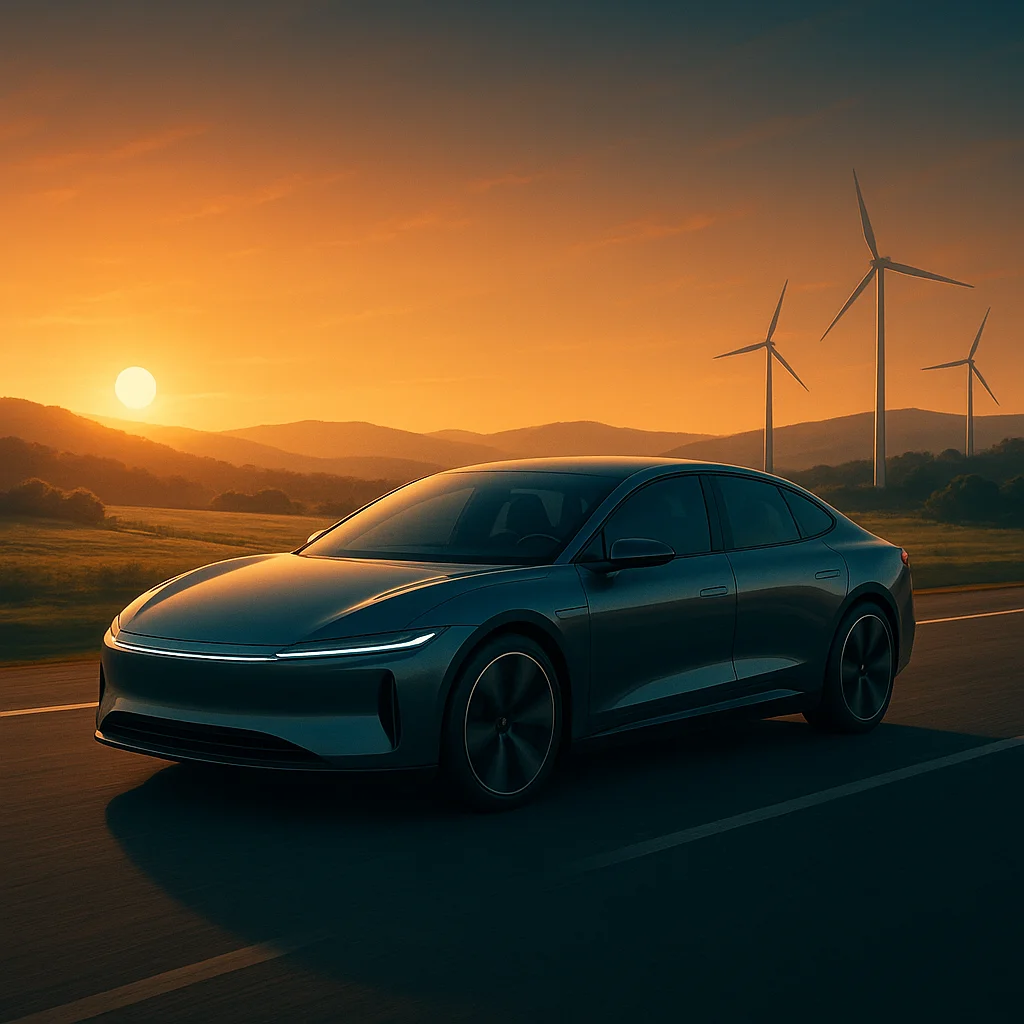
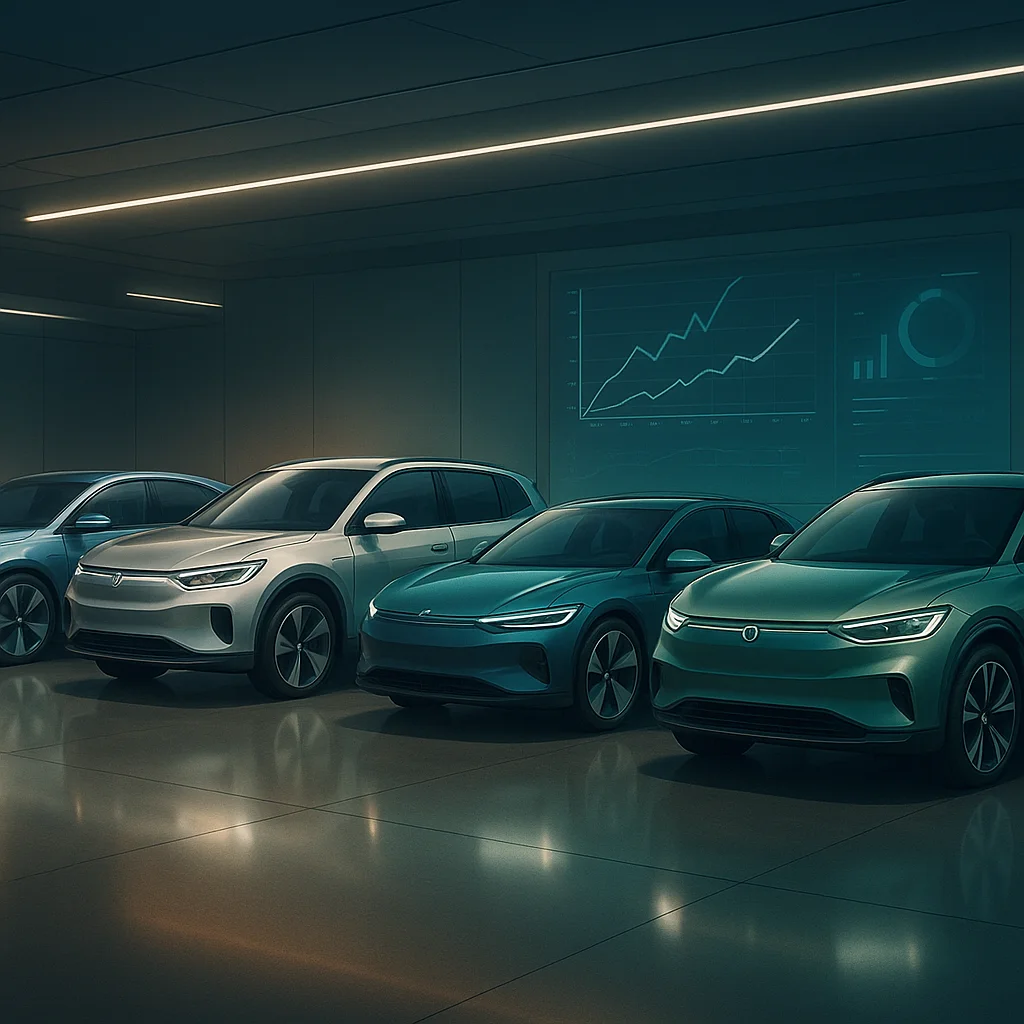
As electric and smart cars gain popularity, GPS technology plays a critical role in their functionality. GPS helps locate nearby charging stations, plan energy-efficient routes, and monitor vehicle performance. In smart cars, GPS integrates with AI and IoT systems to provide predictive maintenance alerts and personalized driving experiences.
Peace of Mind for Car Owners
Whether it’s tracking a family car, monitoring a business vehicle, or ensuring personal safety, GPS provides peace of mind. Knowing the exact location of your car at any time adds an extra layer of confidence, especially during long trips or when lending your car to others.
Conclusion
In 2025, GPS Tracking System in cars is no longer optional—it is essential. From enhanced security and navigation to improved safety and cost efficiency, GPS technology has transformed the way we drive. As vehicles continue to become smarter and more connected, installing a reliable GPS system is one of the best decisions a car owner can make.
























Sign in to leave a comment.