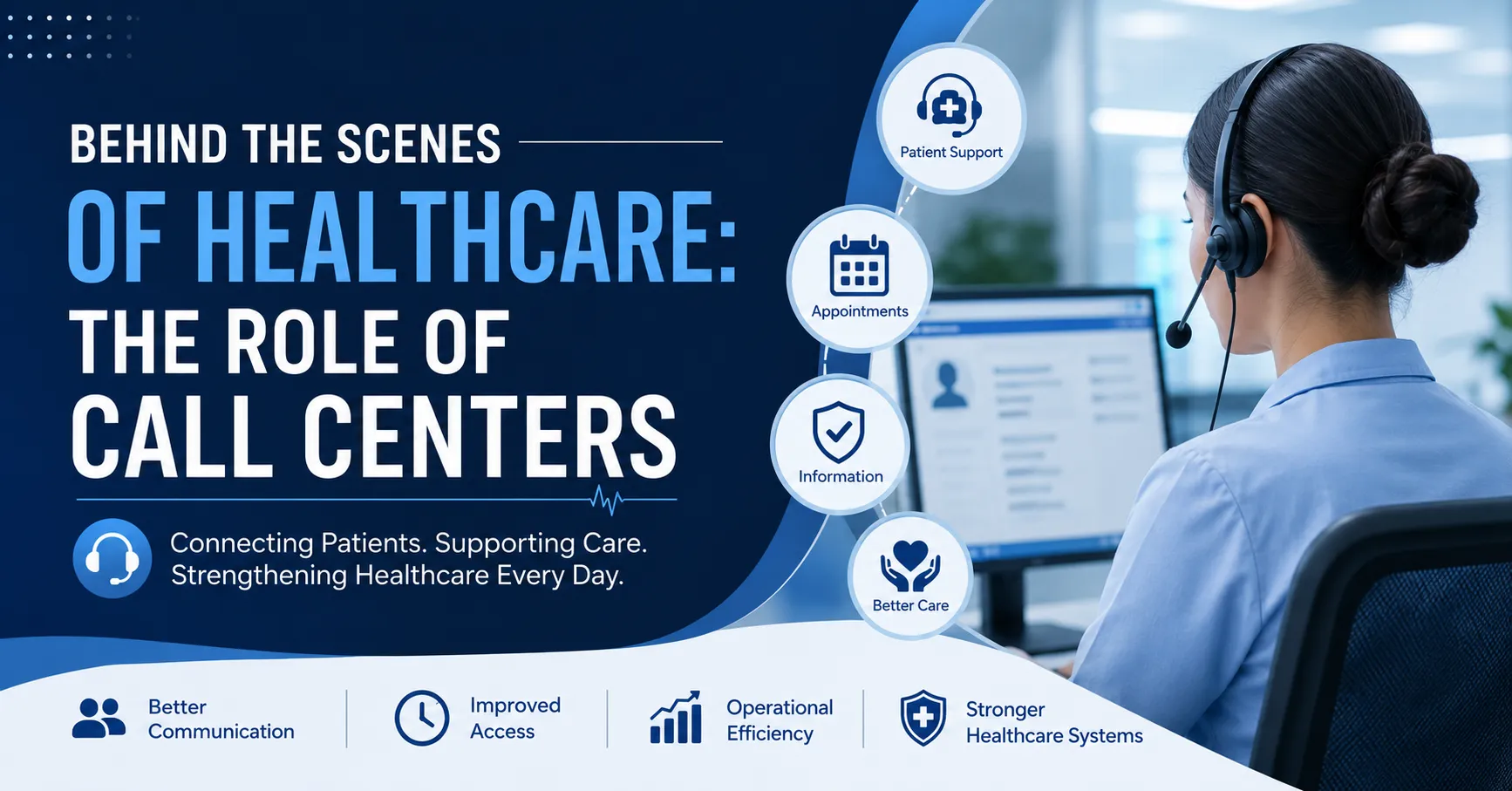

The High-Stakes World of the Waiting Room
Imagine a cold winter morning. A parent sits on the edge of a bed, holding a feverish child. On the bedside table rests a smartphone, its screen glowing with a web browser open to a chaotic medical portal. The parent tries to schedule an urgent appointment, but the portal glitches. Next, they try a direct office line, only to be met with a continuous busy signal. Minutes stretch into what feels like hours. In moments of medical vulnerability, time doesn't just tick; it weighs heavily.
For decades, this friction was the accepted norm in healthcare. Navigating hospital switchboards, waiting on hold for a receptionist who was simultaneously checking in a physical patient, and playing phone tag for lab results were standard parts of the patient journey. However, the modern healthcare landscape is shifting. Patient experience is no longer just about the clinical care received inside an examination room; it begins the exact moment a person reaches out for help.
This is where the specialized healthcare call center steps in, transforming a fragmented logistical nightmare into a seamless, empathetic lifeline.
Moving Beyond the Traditional Switchboard
The phrase "call center" often conjures up images of rigid scripts, ticking timers, and robotic interactions. In a clinical context, however, a modern healthcare contact center operates as an extension of the hospital floor itself. It functions as a centralized communication hub staffed by professionals trained to handle sensitive, high-anxiety situations with balance and precision.
When a patient dials a medical facility today, they are rarely just looking for a time slot. They are seeking reassurance. A receptionist at a busy clinic desk is often overwhelmed by immediate, in-person demands—handling co-pays, filing charts, and greeting visitors. When they answer the phone, their attention is divided.
A dedicated healthcare communication hub removes this burden entirely. Agents have a singular focus: the voice on the other end of the line. Because these centers utilize advanced data integration, an agent can instantly view a caller’s medical history preferences, previous inquiries, and scheduling needs. This immediate access eliminates the frustrating requirement for patients to repeat their medical stories multiple times to different departments.
Global Support and Around the Clock Accessibility
Illness and medical anxieties do not adhere to a standard nine-to-five business schedule. A sudden spike in blood pressure or a confusing medication side effect can happen at midnight on a weekend. When traditional clinics are closed, patients frequently turn to emergency rooms for non-emergency issues, driving up healthcare costs and overwhelming critical care staff.
To combat this, modern health systems utilize a global network of support to ensure continuous coverage. By distributing operations across various time zones and utilizing international hubs, healthcare systems maintain elite standards of responsiveness. For instance, many organizations partner with established call centers in Pakistan to manage high-volume administrative tasks, insurance verifications, and patient follow-ups during peak hours or overnight shifts. This global distribution ensures that complex inquiries are routed efficiently, wait times drop significantly, and patients always find a human voice ready to assist them, no matter the hour.
This balance of local clinical expertise and international operational support ensures that the administrative machinery of medicine never grinds to a halt. It allows local nurses and doctors to focus strictly on patient care, knowing that the front digital door of their practice is being managed securely and professionally.
Empathy as a Clinical Tool
The true value of a medical call center lies in its ability to deliver empathy at scale. Training for healthcare agents goes far beyond learning how to operate scheduling software. It involves deep communication modules centered on active listening, de-escalation techniques, and cultural competency.
Consider an elderly patient calling to clarify complex pre-surgery instructions. They might be nervous, leading them to miss details or ask the same question repeatedly. A standard customer service agent might grow impatient, focused on keeping the call duration short. A trained healthcare agent, however, recognizes the underlying anxiety. They slow down the pace of the conversation, use clear language, and verify understanding through gentle confirmation techniques.
By turning a stressful bureaucratic hurdle into a comforting conversation, these centers actively lower patient stress levels before the individual ever steps foot inside a clinic.
The Ripple Effect on Clinical Care
When communication flows smoothly outside the clinic walls, the quality of care inside the clinic rises. Doctors and nurses are shielded from administrative bottlenecks, allowing them to dedicate their full energy to the patients currently in their care.
Furthermore, these communication hubs play a vital role in preventative health. Agents proactively reach out to patients for chronic disease management reminders, annual check-up bookings, and post-discharge wellness checks. This proactive touch ensures that vulnerable individuals do not slip through the cracks of a busy system, ultimately reducing hospital readmission rates and fostering a healthier community.
Ultimately, healthcare call centers have evolved from simple answering services into essential pillars of modern medicine. They bridge the gap between clinical capability and human necessity, proving that a better patient experience always begins with a single, well-handled conversation.
For Business Inquiries Related to Lead Generation Services, Call Center and BPO Services, Please Call Us or WhatsApp At: +1 704-705-9569





























Sign in to leave a comment.