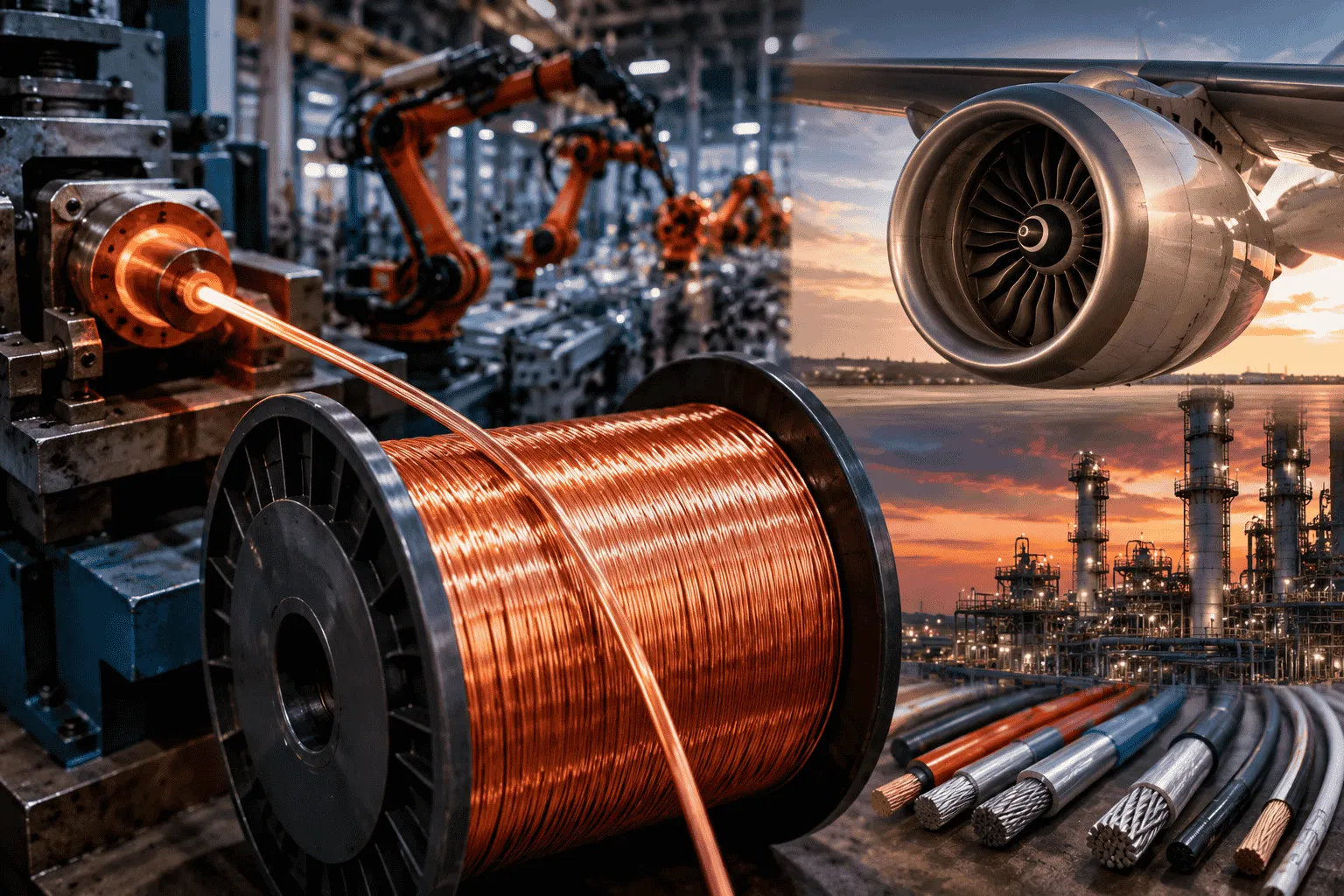

Picture an EV battery system in your mind and imagine it running continuously inside a vehicle that travels long distances each and every day, now think about a manufacturing unit where heavy machines operate for hours without stopping consider furnace systems, industrial motors, and power equipment that function in environments where heat is not an occasional condition but a constant reality.
Now imagine what happens if a small component inside these systems fails, the production slows down. Equipment performance drops. Safety concerns rise with an increase in cost. In many cases, one weak connection can create a chain reaction across an entire operation, which can not afford to.
That is exactly why high temperature wire manufacturing has become a critical part of modern industries. Today's industrial systems are more compact, more powerful, and expected to deliver uninterrupted performance. As industries move deeper into automation, electric mobility, renewable energy, and advanced manufacturing, wiring systems are carrying greater responsibility than ever before.
The discussion is no longer about simply moving electricity from one point to another. The real focus is reliability under pressure. This is where high temperature wire solutions play a major role.
Modern Industries Are Operating Under Tougher Conditions Than Ever
Industrial environments have changed significantly over the last few decades. Machines are becoming smaller and more powerful at the same time, and equipment is expected to run continuously with minimal downtime. Electrical systems now manage larger loads within tighter spaces. This type of revolution in machinery has made production faster, but has also raised a concern that heat naturally increases under these conditions.
This growing challenge explains to us the importance of high temperature wire manufacturing in industries. Traditional wiring may work in controlled conditions, but high heat environments demand something more dependable.
Industries such as automotive manufacturing, battery production, aerospace, power generation, steel plants, and automation facilities rely heavily on industrial high temperature wires because these environments create a continuous thermal stress and operate under very harsh environments.
The shift toward EVs adds another layer to this demand, according to the International Energy Agency, global EV sales exceeded 17 million units in 2024 and represented more than 20% of total car sales worldwide, with higher EV adoption. This means that larger battery systems, greater power loads, and increasing thermal management requirements are required for a safe and uninterrupted supply.
Heat management is becoming an engineering priority.
Think about a heavy industrial machine operating around the clock. What happens when surrounding temperatures rise and wiring remains exposed for long periods?
Without proper electrical safety in high temperature environments, insulation can weaken over time, performance can decline, and operational risks may increase.
Industries are responding to this challenge by adopting more specialised wiring systems designed for demanding conditions.
Understanding What Makes High Temperature Wires Different
At first glance, wires may appear similar. Many people assume that a wire is simply a conductor covered by insulation.
The reality is very different.
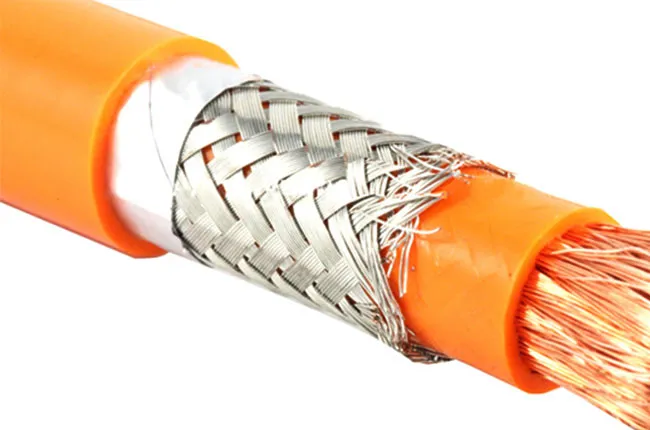
A heat resistant electrical wire is designed to maintain its performance even when exposed to continuous high temperatures. These wires are built using specialised materials that resist heat, chemicals, mechanical stress, and environmental conditions.
The goal is not only to survive heat exposure but also to maintain stable electrical performance.
The materials used become extremely important here.
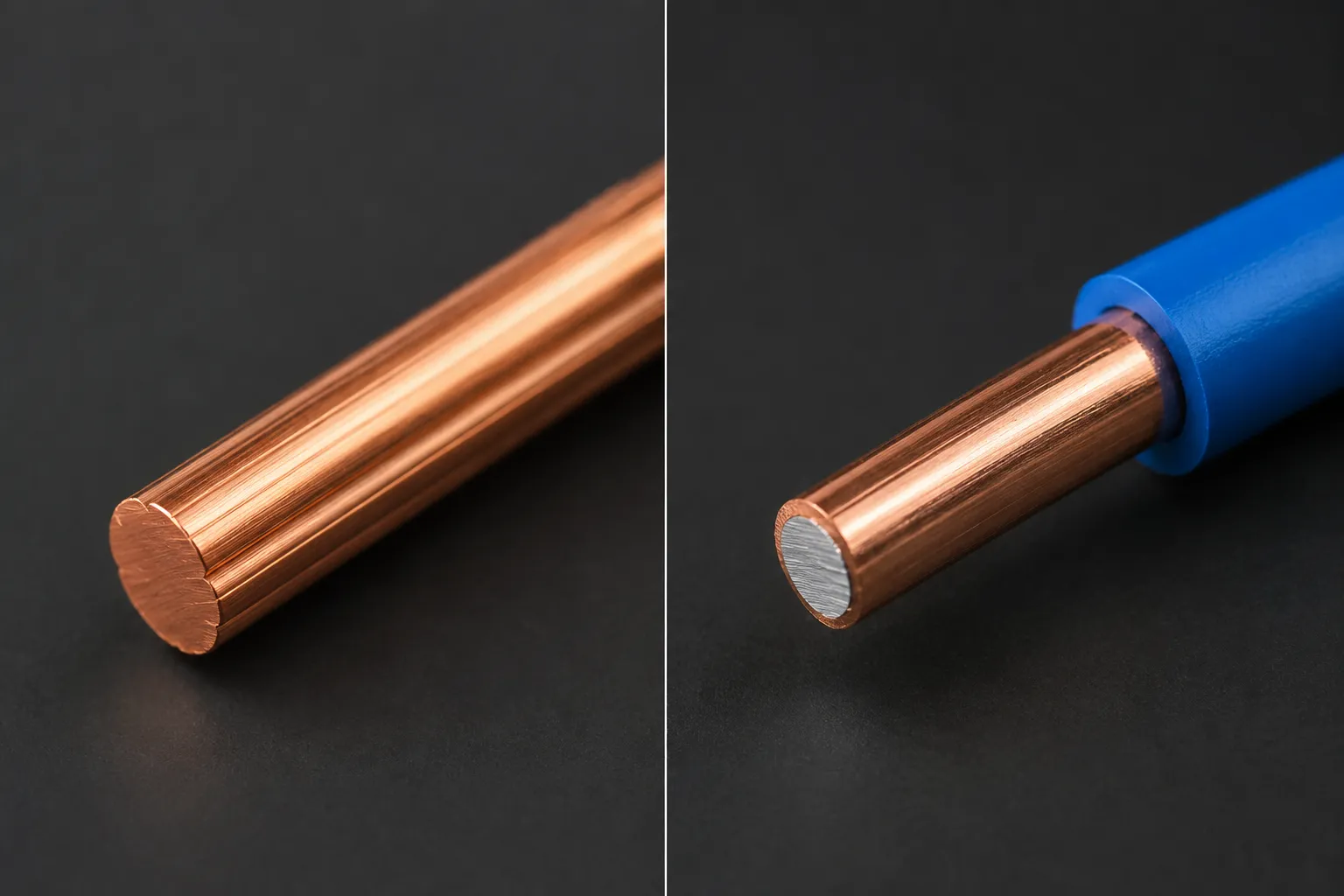
The best materials for high temperature wires typically include:
- High purity copper conductors
- Nickel coated conductors
- Fiberglass insulation
- Ceramic based materials
- Silicone and PTFE insulated wires
Among these materials, PTFE insulation is widely recognised for its excellent heat resistance. Industry technical data indicates that PTFE insulated wires can withstand operating temperatures reaching approximately 260°C, depending on product design and construction.
Similarly, silicone insulated cables commonly operate in temperature ranges around 180°C to 200°C.
You must be thinking that why does this matter?
Imagine wires used inside an industrial oven, engine compartment, or heavy processing equipment. Standard insulation could crack or degrade under prolonged heat exposure. Specialised insulation materials for high temp wires help maintain performance and reliability under these demanding conditions.
This explains why material selection has become an essential part of thermal resistant wire solutions.
The conversation naturally leads to another important question.
How do manufacturers transform these materials into reliable wires capable of performing in extreme environments?
The Process Behind Manufacturing Reliable High Temperature Wires
Reliable performance begins long before a wire reaches an industrial machine.
The high temperature cable manufacturing process involves multiple stages designed to create consistent performance under demanding conditions.
Each step matters.
Selecting the right conductor
Conductors form the very foundation of any wire you can see around.
Manufacturers typically select high conductivity copper or specially coated conductors, depending on the application in which the wire is required to work . The goal is to ensure efficient electrical transmission while maintaining durability.
Applying specialised insulation
The next stage involves insulation application.
This step plays a major role in heat resistant wire manufacturing because insulation determines how effectively the wire can withstand thermal stress.
Different applications require different insulation materials.
For example
- PTFE insulation for extreme heat environments
- Silicone insulation for flexibility and thermal resistance
- Fibreglass materials for industrial conditions
- Ceramic materials for specialised applications
Testing for performance and safety
Manufacturing alone is not enough.
Reliable products require testing.
The manufacturing process of wires generally includes:
- Thermal endurance testing
- Flame resistance testing
- Mechanical strength evaluation
- Electrical conductivity testing
- Insulation consistency verification
This testing helps manufacturers ensure that products perform consistently in real world environments.
Because when industrial systems operate under continuous stress, performance cannot depend on assumptions.
How Wiring Directly Impacts Industrial Safety And Productivity
Heat resistance is often discussed from a technical perspective, but its impact goes far beyond specifications.
Reliable wiring directly affects operational efficiency and the safety of the operation it is used in.
Think about an industrial production line operating continuously. Even a minor wiring issue can interrupt production, delay deliveries, and increase maintenance costs.
This becomes even more important because electrical failures still remain a major concern in industrial settings reports from the National Fire Protection Association identify electrical failures among significant contributors to industrial fire incidents.
This is why businesses increasingly prioritise thermal resistance cables and dependable industrial electrical wiring solutions.
Reliable wiring systems help reduce:
- Unexpected shutdowns
- Insulation failures
- Short circuits
- Fire risks
- Maintenance interruptions
There is also an economic perspective.
Industrial motors account for roughly 45% of global electricity consumption according to International Energy Agency estimates.
Even small improvements in electrical performance and system efficiency can create meaningful operational benefits over time.
Reliable wiring supports:
- Stable performance
- Lower maintenance requirements
- Improved operational continuity
- Better safety outcomes
When equipment operates every day, consistency becomes extremely valuable.
Why Extreme Applications Are Changing Wire Requirements
Industrial systems continue to evolve.
Today's applications often involve conditions that were not common years ago.
Modern industries now require:
High temperature wires for industrial applications
High performance wires for extreme environments
Heat resistant wires for furnaces and heavy equipment
Consider electric vehicles, renewable energy systems, robotic automation, battery manufacturing facilities, and smart factories.
All these sectors create new demands.
Equipment is becoming smaller while power density increases. Machines are expected to perform longer and operate more efficiently.
This trend is also influencing market growth. Industrial automation continues to expand globally, with market estimates projecting values exceeding hundreds of billions of dollars during the coming years.
As automation grows, reliable wiring becomes increasingly important.
Businesses searching for suitable wire solutions should consider several factors before selecting suppliers:
- Material expertise
- Manufacturing capabilities
- Quality testing standards
- Certifications
- Industry experience
Experienced high temperature wire manufacturers and high temperature cable manufacturers understand that different industries have different operational requirements.
There is rarely a single solution for every application.
The right approach always starts with understanding actual operating conditions.
Key Takeaways
- High heat environments demand specialised wiring systems.
- Material selection directly affects wire performance.
- Silicone and PTFE insulated wires provide strong thermal resistance capabilities.
- Quality testing plays a major role in long term reliability.
- Reliable wiring improves safety and operational continuity.
- Specialised thermal resistant wire solutions help industries reduce downtime risks.
- Future industrial growth will continue to increase demand for industrial high temperature wires.
The Future Of Industrial Reliability Starts With Small Components
Large industrial systems often receive most of the attention. Powerful machinery, advanced technologies, and automation systems usually become the centre of discussions.
Yet small components often determine long term performance.
High temperature wire manufacturing plays an important role in helping industries maintain safety, reliability, and operational consistency. As manufacturing environments continue becoming more advanced, thermal demands will continue increasing.
The question moving forward is not whether industries will operate under more challenging conditions.
The real question is whether the systems behind those industries are built to perform when the pressure rises.























Sign in to leave a comment.