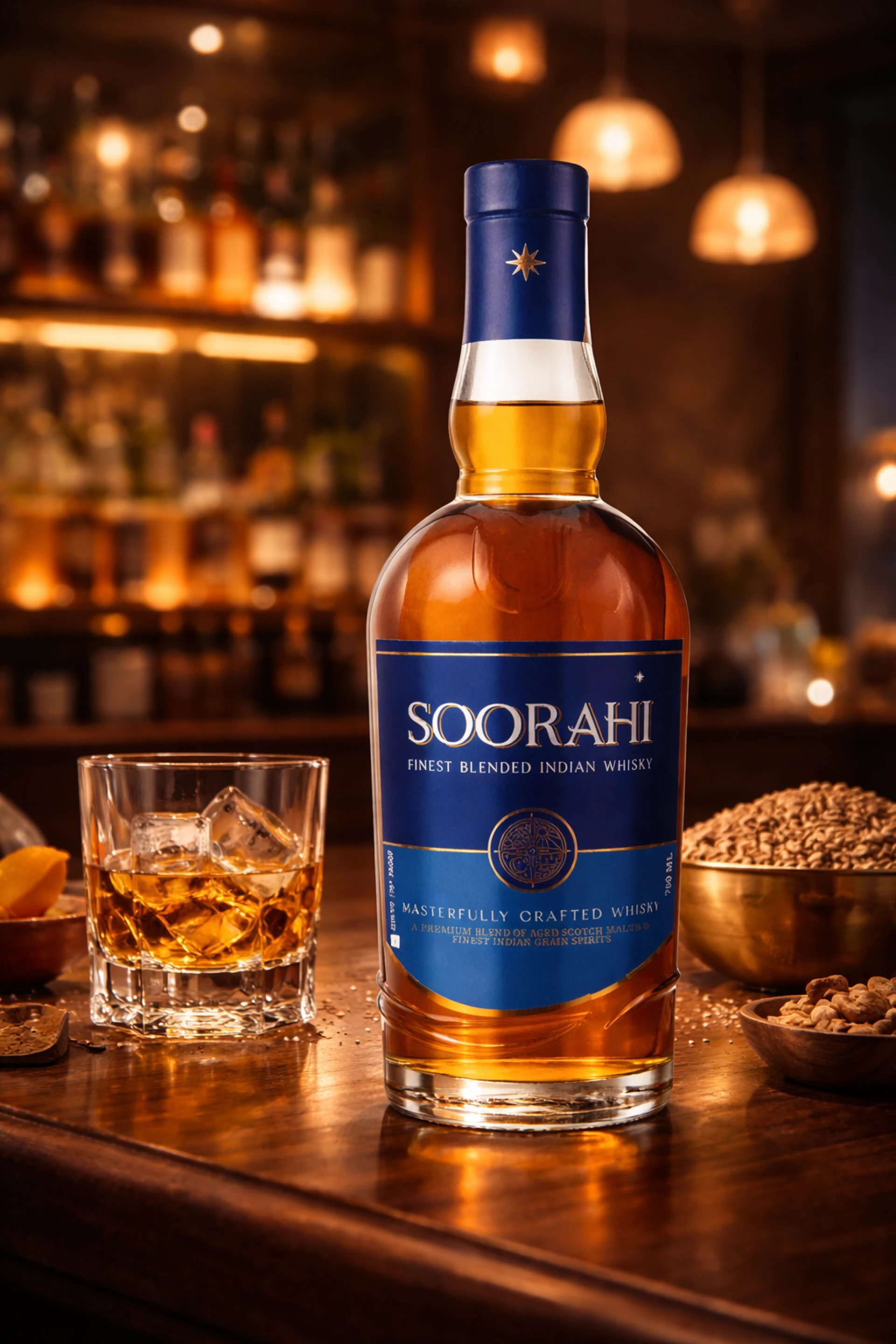

The Asian spirits market is entering one of its most dynamic phases ever, and at the centre of this transformation is Indian blended whisky. Once viewed primarily through the lens of affordability and mass appeal, India’s blends are now stepping into a new era marked by craftsmanship, innovation, and global recognition. As we move toward 2026, multiple indicators point to one conclusion: Indian blends are positioned to lead Asia’s whisky landscape.
From changing consumer choices to rapid premiumisation, the evolving whisky ecosystem presents the perfect environment for blends to dominate. But what exactly is enabling this rapid rise? And how is India securing its place at the top?
Let’s break down the factors shaping this major shift.
1. The Fastest-Growing Whisky Market in the World
Asia has become the world’s most exciting whisky region, but India stands out with exceptional momentum. With:
- A young population
- Rising disposable income
- Expanding urban centres
- Growing interest in premium spirits
India’s whisky consumption is increasing at a pace unmatched anywhere else.
This demand is naturally pushing production to scale, but instead of sticking to old formulas, distilleries are investing in quality and innovation. That makes India better placed than ever to compete and lead the continent in blended whisky categories by 2026.
2. Improved Quality and World-Class Blending Techniques
There has been a massive leap in blending expertise across Indian distilleries. Blenders today work with:
- Better-quality malt whiskies
- Softer, smoother grain spirits
- Enhanced charred, wine, and sherry cask finishes
- Temperature-controlled ageing
- New grain-to-glass distillation methods
What used to be “good for the price” has evolved into whisky that rivals international blends in finesse and consistency.
This improvement positions blended whisky from India as a serious contender, not just regionally but globally.
3. Premiumisation Is Transforming Consumer Expectations
The premium whisky space in India is exploding. Consumers are no longer content with basic labels. They want:
- Higher malt content
- Better cask influence
- Elegant packaging
- Smoother, more refined flavour profiles
- Whiskies with stories and character
This surge in premiumisation is no temporary trend; it’s the new standard. And Indian blends are stepping up beautifully.
This shift is also driving the demand for the best blended whiskey in India, as consumers seek blends that deliver both quality and modern sophistication.
4. A Rising Cocktail & Mixology Culture Across Asia
Across Asia, a particularly in India, Singapore, Japan, Thailand, and South Korea, cocktail culture is booming. Bars are using more:
- Highball-friendly spirits
- Smooth, blendable whiskies
- Flavour-consistent bases
- Affordable premium spirits for mixology
Blended whisky fits the mixology ecosystem far better than intense, single-note expressions. Its balanced profile makes it ideal for:
- Whisky sours
- Highballs
- Old-fashioned
- Signature modern cocktails
- Flavoured whisky mixes
India’s blends, known for their adaptability, are quickly becoming the preferred choice for master mixologists.
5. Rapid Global Acceptance of Indian Spirits
Indian spirits have undergone a massive perception shift in global markets. What was once overlooked is now drawing significant attention, with accolades, global distribution partnerships, and international reviews acting as catalysts.
Indian whisky brands are expanding into:
- Europe
- Southeast Asia
- Australia
- Japan
- The Middle East
As Indian flavours become popular globally, Asian consumers are also developing stronger trust and curiosity toward homegrown blends.
This dual-direction influence, local pride and global validation, is driving Indian blends to the top.
6. India’s Climate Creates Faster Maturation & Deeper Flavours
India’s warm climate speeds up the ageing process, giving blends:
- More pronounced flavours
- Quicker extraction of oak character
- Warmer, richer texture
- Uniquely tropical notes
This natural advantage allows Indian whiskies to deliver richness years faster than cooler regions.
By 2026, this will help India meet demand more efficiently while still delivering deeply flavourful blends that Asia genuinely enjoys.
7. Strong Distribution Networks Across Asia
Indian brands have expanded aggressively across Asian markets with refined supply chains and better accessibility.
Industries have invested heavily in:
- Duty-free retail
- Airport promotions
- Large-format stores
- Premium bar partnerships
- Regional marketing campaigns
This strong distribution is a huge advantage. While other countries navigate higher costs or slower expansion, India already has one of the continent’s strongest spirits networks.
8. India’s Advantage in the Mid-Premium Price Segment
The mid-premium segment is currently Asia’s fastest-growing whisky category. Consumers want:
- High quality
- But still affordable options
- Smooth, versatile spirits
- Stylish yet accessible brands
Indian blends perfectly fill this space. They offer premium quality without premium price shocks, making them the preferred purchase for consumers seeking value without compromise.
This price-performance advantage will be one of the biggest reasons Indian blends dominate Asia in 2026.
9. Lifestyle Shifts and a Preference for Smoother Spirits
Asian consumers, especially younger audiences, prefer whiskies that are:
- Smooth
- Easy to drink
- Mix-friendly
- Less smoky or intense
- Balanced in flavour
Indian blends excel in this category.
While heavily peated or strongly oaked whiskies maintain niche popularity, the broader audience is leaning toward approachable profiles. Indian blends match this preference, aligning perfectly with the evolving tastes of the continent.
10. Strong Brand Storytelling and Consumer Education
Brands in India are investing more in:
- Tasting sessions
- Digital storytelling
- Ingredient transparency
- Distillery tours
- Whisky clubs
- Consumer-led experiences
These efforts are shaping a better-informed drinker base, one that appreciates craftsmanship and recognises quality.
Educated consumers are more willing to explore premium blends, and India’s whisky brands are meeting that interest with stories rooted in authenticity, local ingredients, and innovative blending.
Final Thoughts
The rise of Indian blended whisky is not a short-lived trend; it’s the result of years of refinement, understanding consumer needs, and embracing innovation. As Asia becomes one of the most influential whisky markets globally, India has a unique advantage: craftsmanship meeting accessibility, flavour meeting versatility, and tradition meeting modernity.
By 2026, all signs point to a clear outcome: Indian blends won’t just be popular; they will lead Asia’s spirits market.
Indian whisky has arrived, it’s evolving rapidly, and the rest of Asia is ready to raise a glass to this new era.
FAQs
1. Why is Indian blended whisky gaining popularity in Asia?
It offers smooth profiles, competitive pricing, and innovative blends that appeal to both new and experienced whisky drinkers across the region.
2. What sets Indian blended whisky apart from other Asian spirits?
It combines grain spirits with select malts, creating a rich, approachable taste that suits varied palates in fast-growing Asian markets.
3. How is India influencing Asia’s whisky demand?
India’s rising middle class, premiumisation trends, and strong whisky culture are driving regional consumption patterns.
4. Are Indian blended whiskies suitable for cocktails?
Yes, most brands craft blends that mix easily, making them a top pick for bars and modern cocktail menus in 2026.
5. What flavour profile is common in Indian blended whisky?
Expect smooth sweetness, light spice, and subtle malt character ideal for both neat sipping and mixing.
6. Will Indian blended whisky dominate premium categories too?
Yes, premium and semi-premium Indian expressions are expanding rapidly as consumers seek higher-quality options.
7. Is Indian whisky more affordable than imported Asian whiskies?
Generally, yes, due to local production and reduced import costs, helping it win large market segments.
8. Why do young consumers prefer blended whisky in 2026?
It’s approachable, versatile, cocktail-friendly, and doesn’t require deep whisky knowledge to enjoy.
9. Are Indian blended whiskies improving in quality?
Absolutely modern distillation, better maturation techniques, and global collaborations are elevating quality each year.
10. How will Indian blended whisky shape Asia’s bar culture?
Expect more cocktail-ready blends, premium expressions, and region-specific releases designed for evolving Asian tastes.



























Sign in to leave a comment.