

Cracks are among the most common and expensive problems in construction. Whether they appear in roofs, columns, slabs, or walls, cracks not only affect structural appearance but can also weaken durability over time. In many cases, these issues begin during the concrete casting stage itself due to poor material quality, improper bonding strength, or inconsistent curing performance.
This is where dhalai cement plays a critical role in modern construction. Specifically used for concrete casting applications, dhalai cement is designed to provide stronger bonding, better workability, and improved structural stability. From residential buildings to commercial projects, contractors and engineers prioritize high-quality cement during dhalai work to minimize future cracking risks and improve long-term performance.
Understanding the Role of Dhalai Cement in Structural Strength
Concrete casting, commonly known as dhalai, forms the backbone of any structure. During this process, cement acts as the primary binding material that holds aggregates, sand, and reinforcement together. If the cement lacks consistency or strength, the structure may develop shrinkage cracks, surface fractures, or internal weakness over time.
High-performance dhalai cement helps create dense and uniform concrete with improved compressive strength and reduced permeability. This directly contributes to better crack resistance in slabs, beams, foundations, and roofs.
How Dhalai Cement Helps Reduce Cracking Risks
Provides Better Bonding Between Materials
One of the key reasons behind structural cracking is weak bonding between cement particles and aggregates. Quality dhalai cement ensures stronger adhesion, allowing the concrete mix to remain compact and structurally stable under load and environmental stress.
Reduces Shrinkage During Drying
Concrete naturally shrinks as moisture evaporates during curing. Poor cement quality often leads to excessive shrinkage, resulting in visible cracks across surfaces. Properly formulated dhalai cement minimizes shrinkage stress and supports controlled setting.
Improves Durability Against Weather Conditions
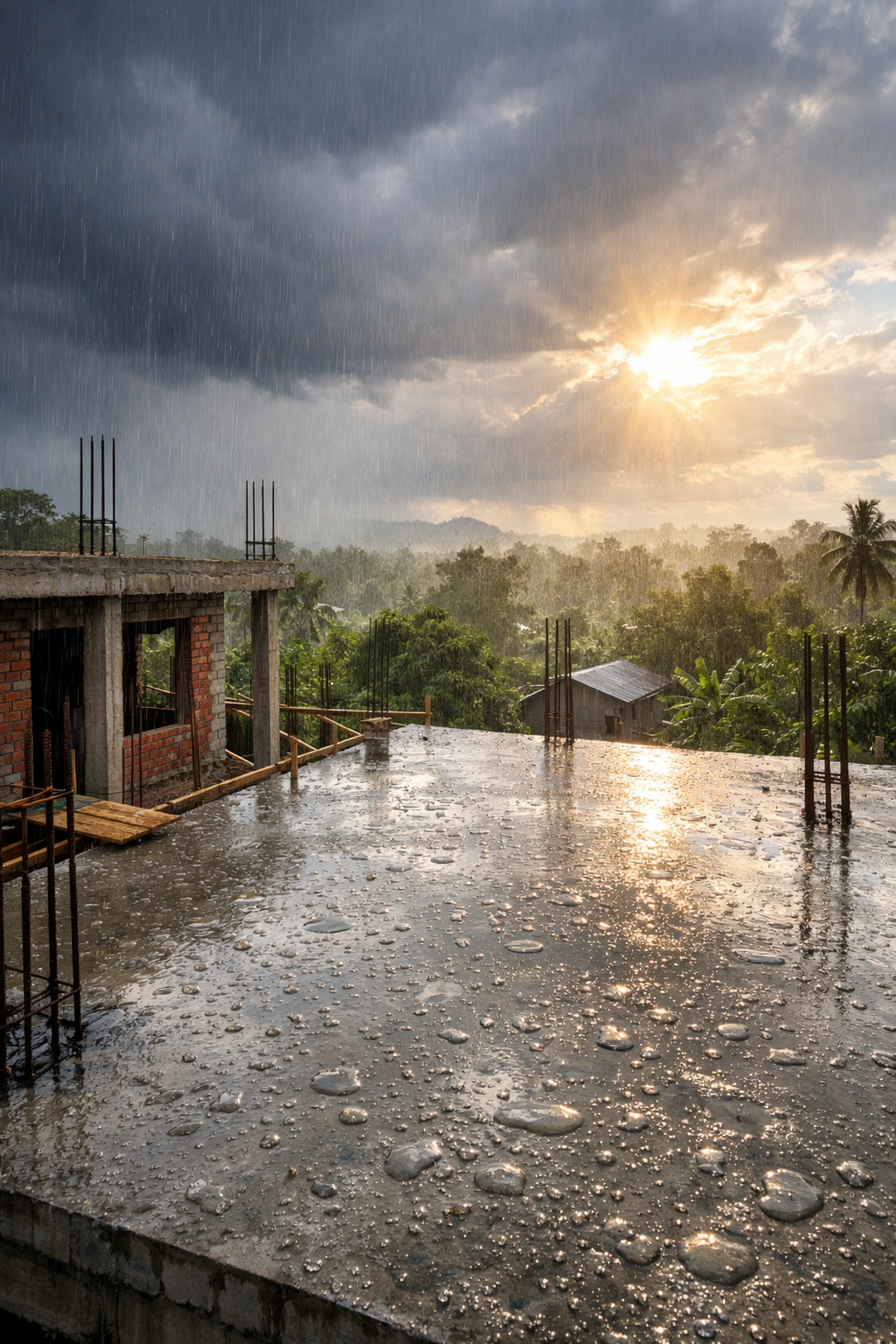
Structures in India regularly face heat, humidity, rainfall, and temperature fluctuations. These environmental conditions can gradually weaken low-quality concrete. Durable dhalai cement improves resistance against moisture penetration and thermal expansion, reducing long-term crack formation.
Enhances Load-Bearing Capacity
Concrete used in roofs, columns, and foundations must withstand continuous structural pressure. High-strength dhalai cement contributes to improved load distribution, reducing stress concentration that may otherwise lead to cracking.
Many structural problems do not become visible immediately after construction. Cracks often develop gradually due to poor material selection during the initial casting process. Investing in reliable dhalai cement helps improve structural lifespan, reduces maintenance costs, and strengthens overall construction quality.
Bottom Line
Crack-resistant construction begins with strong foundational materials. Since concrete casting determines the structural integrity of a building, selecting the right dhalai cement becomes essential for durability, stability, and long-term performance. In modern construction, quality cement is not simply a building material — it is a critical factor in preventing future structural failure.




















Sign in to leave a comment.