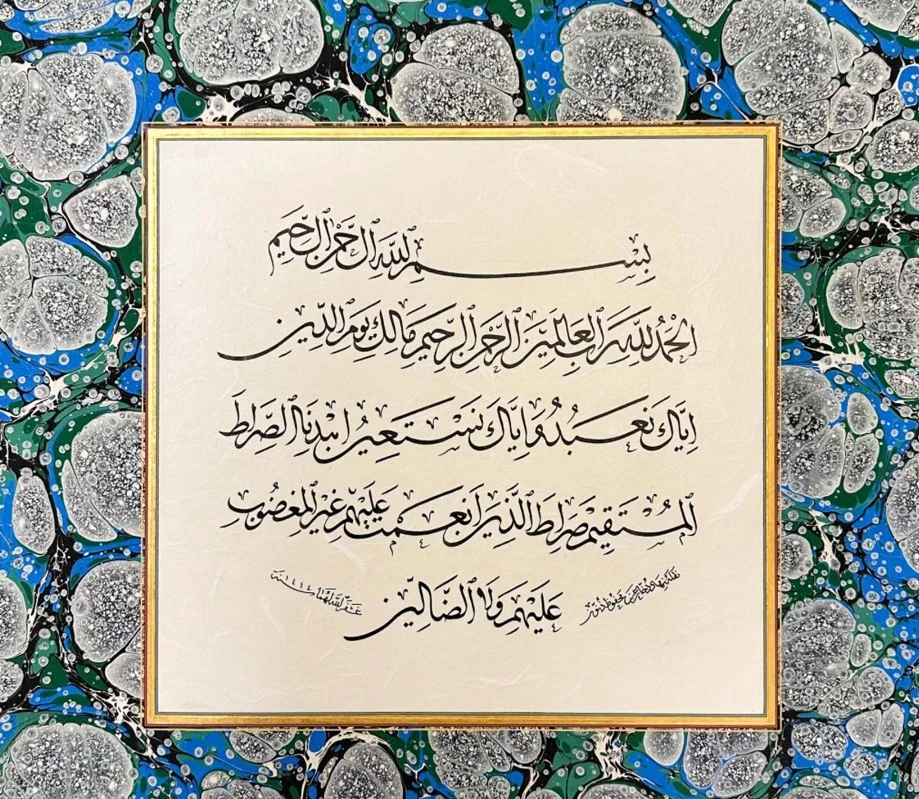
Modern Islamic calligraphy has quietly become one of the most influential visual trends in contemporary design. Once seen mainly in mosques, manuscripts, and traditional religious spaces, Islamic calligraphy today appears in modern homes, fashion collections, branding projects, digital art, and even architectural installations. Designers across the world are embracing it not only for its spiritual depth, but also for its striking visual balance and timeless elegance.
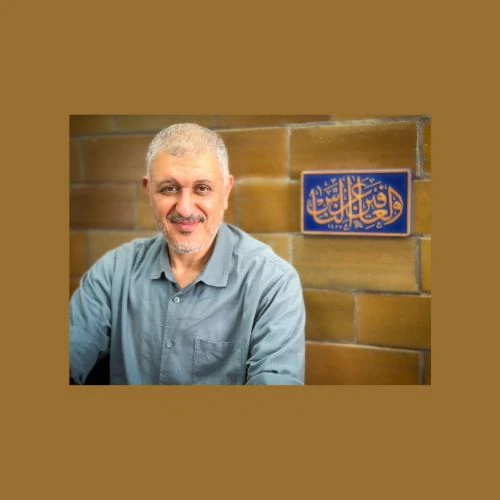
In this article, we explore why modern Islamic calligraphy is so popular in contemporary design, how it has evolved, and what makes it relevant in today’s creative industries. We also look at how artists like Nihad Dukhan are bridging classical roots with modern aesthetics through carefully crafted calligraphic styles.
Understanding modern Islamic calligraphy
Islamic calligraphy has always been more than decorative writing. Historically, it served as a sacred art form, preserving and honoring Quranic verses and spiritual messages. Modern Islamic calligraphy builds on this heritage while adapting to today’s visual language.
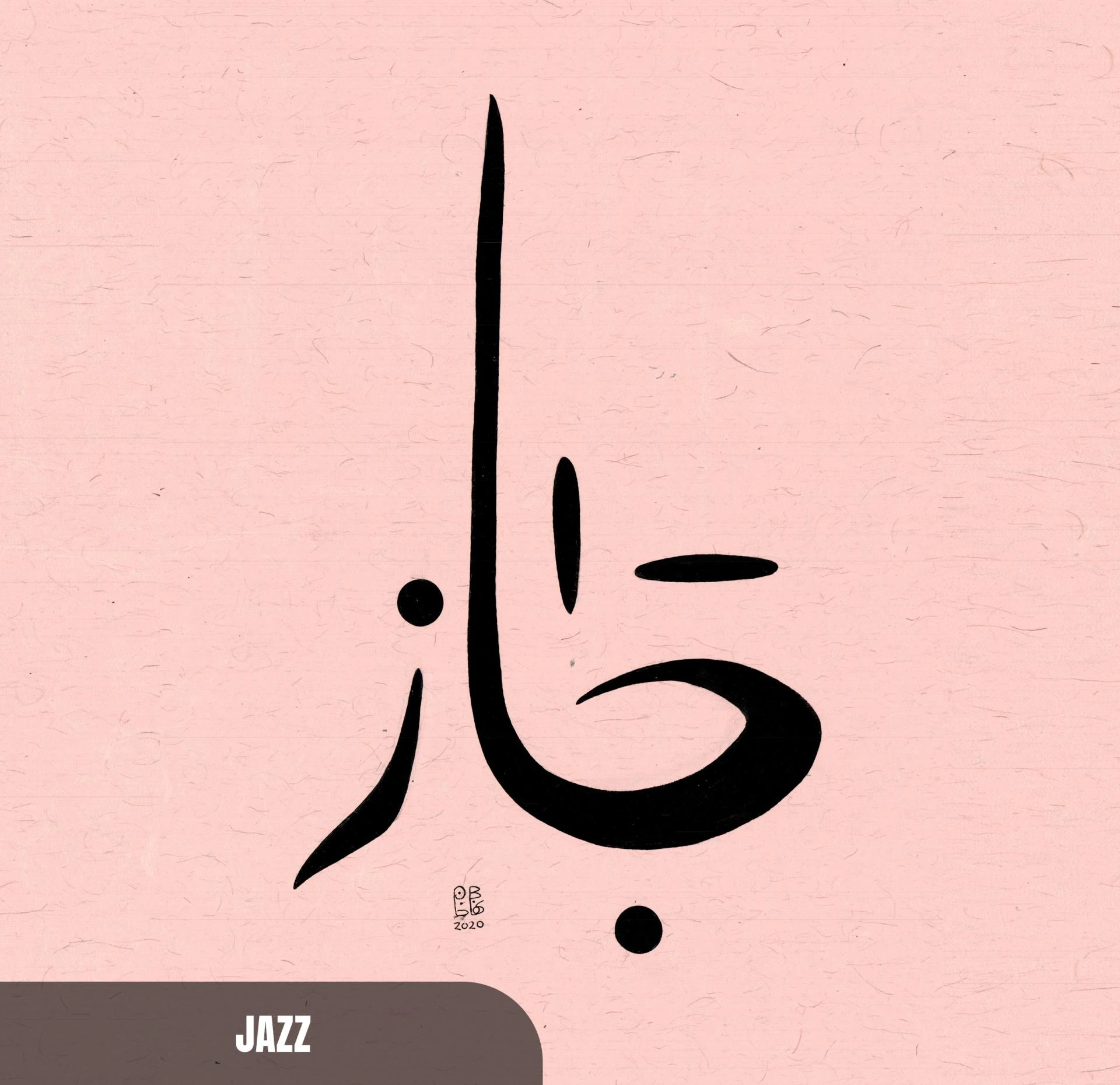
Instead of following strict classical rules alone, modern calligraphy allows for creative freedom. Letters may be simplified, stretched, layered, or abstracted. Traditional scripts like Thuluth, Naskh, or Kufic are often reimagined using clean lines, bold compositions, and contemporary color palettes.
This balance between respect for tradition and openness to innovation is one of the main reasons modern Islamic calligraphy resonates so strongly with modern audiences.
The rise of spirituality in modern design
One major reason for the popularity of modern Islamic calligraphy is the growing desire for meaningful design. In a fast paced digital world, many people seek visual elements that offer calm, identity, and spiritual grounding.
Islamic calligraphy naturally fulfills this need. The flowing forms of Arabic letters create a sense of rhythm and harmony. When combined with spiritual phrases or Quranic verses, the artwork offers emotional depth that minimal or purely decorative designs often lack.
Designers are increasingly using calligraphy to create spaces and products that feel intentional rather than empty. This shift toward mindful and value driven design has helped Islamic calligraphy gain wider appreciation beyond religious contexts.
Fusion of tradition and contemporary aesthetics
Modern Islamic calligraphy stands out because it blends classical craftsmanship with modern design principles. Clean layouts, negative space, geometric balance, and subtle color contrasts make it visually compatible with contemporary interiors and branding.
For example, a calligraphic composition might feature a traditional phrase but presented in a monochrome palette suitable for a modern living room or corporate space. This adaptability allows Islamic calligraphy to fit seamlessly into both personal and professional environments.
Artists like Nihad Dukhan explore this fusion by offering calligraphy styles that respect classical forms while embracing modern clarity and elegance. You can see this balance reflected in carefully designed classic inspired fonts available through ndukhan.com.
Popularity in interior design and home decor
Interior design is one of the biggest drivers behind the rise of modern Islamic calligraphy. Homeowners today want decor that reflects identity, culture, and personal beliefs without overwhelming the space.
Modern calligraphy artworks achieve this by being visually refined and emotionally meaningful at the same time. A single calligraphic piece can become a focal point in a minimalist room, adding warmth and character without clutter.
Designers often choose neutral backgrounds, metallic finishes, or subtle textures to let the calligraphy speak for itself. This approach makes Islamic calligraphy suitable for modern apartments, offices, and even luxury commercial spaces.
Influence on branding and graphic design
Brands today aim to tell stories and connect emotionally with their audiences. For businesses rooted in culture, heritage, or ethical values, modern Islamic calligraphy offers a powerful visual language.
Arabic calligraphy is increasingly used in logos, packaging, and digital branding, especially for fashion labels, lifestyle brands, and cultural institutions. When modernized, it communicates authenticity while remaining visually fresh.
The flexibility of modern calligraphic fonts allows designers to maintain consistency across digital and print platforms. This is another reason designers turn to curated resources like those offered by Nihad Dukhan, where traditional calligraphic sensibilities are translated into usable modern design assets.
Social media and digital art exposure
Social media has played a significant role in spreading modern Islamic calligraphy. Platforms focused on visual content have introduced global audiences to artists and designers working in this field.
Short videos, time lapse calligraphy processes, and digital compositions make the art form accessible and engaging. Younger audiences, in particular, are drawn to how traditional scripts are transformed into modern visuals suitable for screens and digital storytelling.
As a result, Islamic calligraphy is no longer seen as static or historical. It is now perceived as dynamic, creative, and relevant to modern lifestyles.
Appeal to a global and multicultural audience
Another reason modern Islamic calligraphy is popular is its universal visual appeal. Even viewers who do not read Arabic often appreciate the flowing forms, symmetry, and artistic balance of the script.
In multicultural design environments, calligraphy serves as a bridge between cultures. It allows designers to incorporate Islamic artistic heritage in a way that feels inclusive rather than exclusive.
This global appreciation has encouraged designers to experiment more freely, leading to innovative compositions that respect the script while engaging modern sensibilities.
Role of typography and modern calligraphic fonts
The development of digital typography has transformed Islamic calligraphy’s role in contemporary design. Custom calligraphic fonts inspired by classical scripts make it easier for designers to integrate Arabic calligraphy into modern layouts.
These fonts maintain the soul of hand drawn calligraphy while offering consistency and usability for web, print, and branding projects. Platforms like Nihad Dukhan provide access to refined classic inspired fonts that help designers maintain authenticity without sacrificing functionality.
Typography has allowed Islamic calligraphy to move beyond framed artwork into everyday design applications.
Artistic freedom and personal expression
Modern Islamic calligraphy gives artists freedom to express personal interpretation while honoring tradition. This balance encourages creativity without losing cultural integrity.
Artists can focus on emotion, movement, and composition rather than strict replication of classical forms. This artistic flexibility has attracted a new generation of calligraphers and designers who see Islamic calligraphy as a living, evolving art form.
As more artists experiment, the style continues to grow, keeping it relevant in contemporary design conversations.
Why modern Islamic calligraphy is here to stay
Modern Islamic calligraphy is not a passing trend. Its popularity is rooted in deeper cultural, spiritual, and aesthetic values. As design continues to move toward authenticity, storytelling, and emotional connection, calligraphy offers something timeless yet adaptable.
With artists like Nihad Dukhan contributing thoughtfully designed calligraphic styles and fonts, the art form continues to evolve while remaining grounded in tradition.
Frequently Asked Questions
What makes modern Islamic calligraphy different from traditional calligraphy?
Modern Islamic calligraphy allows more creative freedom in composition, color, and form while still respecting traditional scripts. It often blends classical elements with contemporary design principles.
Can modern Islamic calligraphy be used in non religious spaces?
Yes, it is widely used in homes, offices, branding, fashion, and digital design. The visual beauty and cultural value make it suitable for many settings.
Is Islamic calligraphy only meaningful to Arabic readers?
Not at all. Many people appreciate Islamic calligraphy for its artistic form, balance, and emotional impact even if they cannot read Arabic.
How do designers use modern Islamic calligraphy in branding?
Designers use it in logos, packaging, typography, and visual identity systems to convey heritage, authenticity, and elegance.
Where can designers find high quality modern calligraphic fonts?
Designers can explore curated calligraphy resources and fonts by artists like Nihad Dukhan, including classic inspired styles available at ndukhan.com.























Sign in to leave a comment.