

Career growth is often associated with promotions, higher salaries, new job titles, and professional achievements. However, some of the most valuable development happens during difficult moments at work. Missed deadlines, challenging projects, communication problems, changing responsibilities, and unexpected setbacks can reveal areas that need improvement and create opportunities to develop new capabilities.
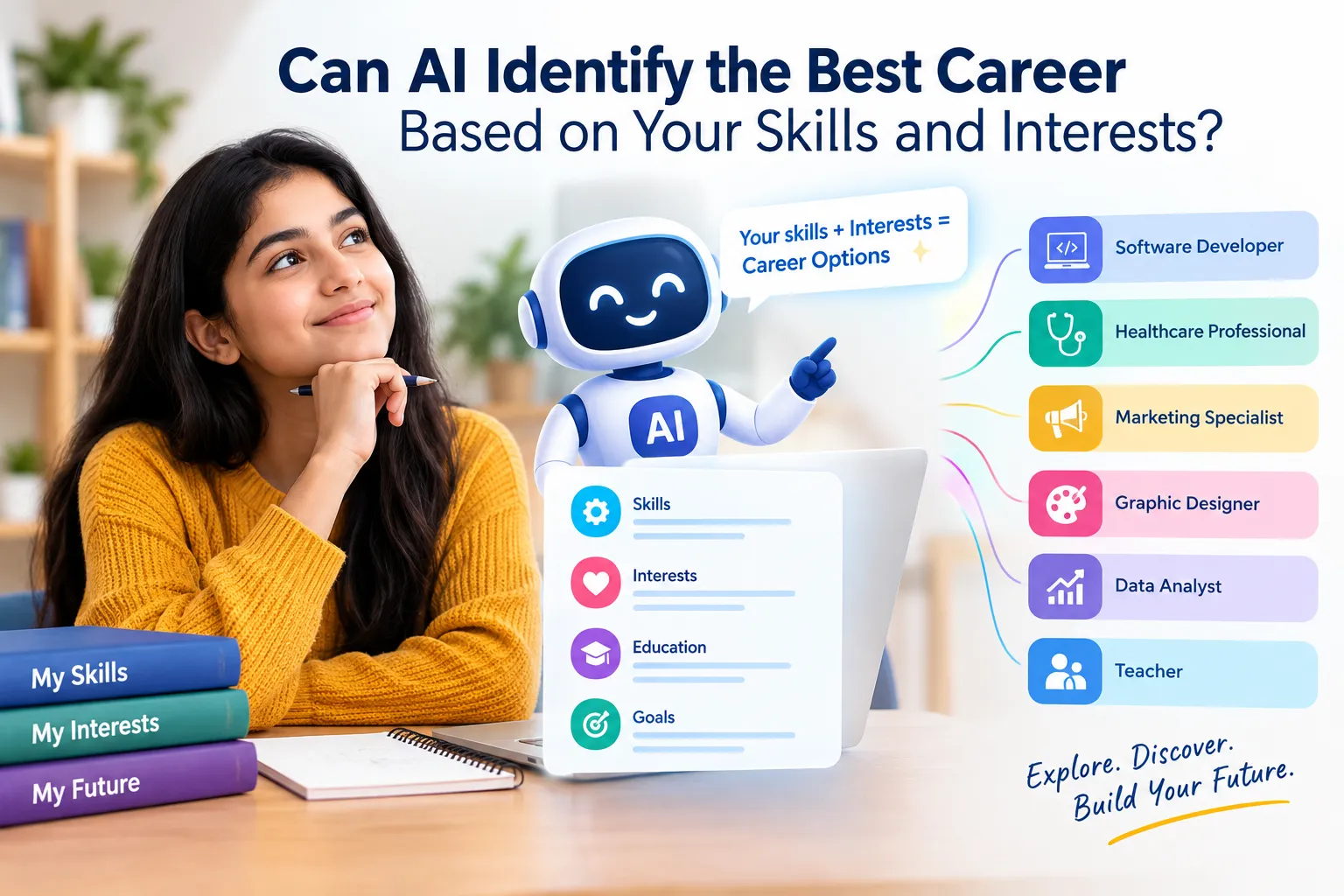
For professionals who want to make better decisions about their development, career coach ai tools can provide structured support by helping assess goals, identify areas for improvement, and organize potential next steps. But technology is only part of the process. Real career development also depends on how effectively you learn from everyday workplace experiences.

Challenges Can Reveal Hidden Strengths
A difficult situation can show you abilities that may not have been obvious before.
Imagine being asked to lead a project with limited time and resources. You may initially see the situation as stressful, but successfully managing it could demonstrate leadership, prioritization, communication, and problem-solving abilities.
Workplace challenges often force professionals to use skills outside their normal responsibilities. These experiences can become valuable evidence of your capabilities when you later pursue new responsibilities or opportunities.
Instead of asking only, "Why did this happen?" consider asking, "What did this experience teach me about what I can do?"
Mistakes Can Become Learning Opportunities
Making mistakes at work is uncomfortable, but avoiding mistakes entirely is unrealistic.
A missed deadline may reveal weaknesses in planning. A misunderstood instruction may highlight the importance of communication. A failed presentation may show that more preparation or clearer messaging is needed.
The important step is reviewing what happened without focusing only on blame.
Ask yourself:
- What went wrong?
- What could I have controlled?
- What would I do differently next time?
- What skill could prevent a similar problem?
- What feedback can I apply going forward?
This turns an unpleasant experience into a practical learning opportunity.
Feedback Can Accelerate Professional Development
Feedback can sometimes be difficult to hear, particularly when it challenges how you view your own performance.
However, constructive feedback can provide information that is difficult to identify independently.
For example, a manager might point out that your technical work is strong but your presentations need improvement. Instead of viewing that comment negatively, you can treat it as a development target.
Over time, repeatedly applying useful feedback can improve both performance and confidence.
The key is to separate useful criticism from personal judgment and focus on specific behaviors you can improve.
Difficult Projects Can Expand Your Capabilities
Professionals often grow when they take on responsibilities that are slightly beyond their current comfort zone.
A challenging project may require you to learn new software, communicate with unfamiliar teams, manage competing priorities, or make decisions under pressure.
These experiences can expand your professional capabilities much faster than performing only familiar tasks.
That doesn't mean you should accept unrealistic workloads. Healthy development requires a balance between challenge, support, and available resources.
When a challenging assignment provides a genuine opportunity to learn, approach it as a chance to expand your capabilities.
Workplace Conflict Can Improve Communication Skills
Disagreements are another common source of professional learning.
Different priorities, working styles, expectations, and communication habits can create tension between colleagues.
Handled constructively, these situations can teach you how to listen carefully, communicate expectations, negotiate solutions, and remain professional under pressure.
These abilities can become increasingly important as you move into senior positions where collaboration and leadership play a larger role.
Adaptability Is a Career Advantage
Workplaces rarely remain exactly the same.
Companies introduce new technologies, restructure teams, change processes, modify priorities, and respond to economic conditions.
Professionals who can adapt to these changes are often better prepared for long-term development.
Instead of resisting every change, consider what you can learn from it. A new software system could improve your technical knowledge. A new team structure could strengthen your collaboration skills. A change in responsibilities could expose you to a new area of the business.
Adaptability doesn't mean accepting every change without question. It means being capable of adjusting while continuing to work toward your professional goals.
Turn Challenges Into Development Goals
One of the most effective ways to learn from workplace experiences is to turn lessons into specific goals.
Suppose you struggled with public speaking during an important presentation. A vague goal would be "become better at presentations."
A more useful goal could be:
"Practice one presentation each month and request feedback from a colleague after each session."
Specific goals are easier to follow and measure.
The same approach can be applied to leadership, communication, technical skills, organization, time management, or other areas.
Keep Track of Your Progress
Professionals often forget how much they have learned because development happens gradually.
Keeping a simple record of projects, challenges, achievements, feedback, and new skills can help you see progress over time.
This record can also become useful when updating your resume or preparing for interviews.
For example, instead of simply saying that you have "problem-solving skills," you can describe a real situation where you identified a problem, implemented a solution, and achieved a positive result.
Real examples make professional capabilities easier to demonstrate.
When Should You Consider a Career Change?
Not every workplace challenge means you need to leave your job.
Sometimes the problem can be addressed through training, better communication, additional responsibilities, or support from your manager.
However, repeated challenges that conflict with your long-term goals may encourage you to reassess your direction.
If you consistently feel unmotivated, see no opportunities to develop, or discover that your interests have changed, it may be useful to explore other professional possibilities.
The objective isn't to make a sudden decision. Instead, gather information, evaluate your skills, and consider what type of environment would better support your goals.
How Technology Can Support Career Development
Career development involves many moving parts. Professionals may need to understand their skills, explore opportunities, improve application materials, prepare for interviews, and decide which abilities to develop next.
Digital career tools can help organize these activities and provide structured guidance.
However, technology should complement real-world experience rather than replace it. The lessons gained from projects, feedback, challenges, and workplace relationships remain essential to professional development.
Conclusion
Workplace challenges don't have to be obstacles to professional success. They can become valuable learning experiences when you take time to understand what they reveal about your skills, habits, communication style, and development needs.
The professionals who continue growing are not necessarily those who experience the fewest problems. They are often the ones who learn from those problems and use the lessons to improve.
With the right mindset and ai career help, professionals can combine real-world workplace experience with structured career development and make more informed decisions about their next steps.
FAQ
1. Can workplace challenges really improve career growth?
Yes. Challenges can expose areas for improvement while also helping professionals develop problem-solving, communication, leadership, adaptability, and decision-making abilities.
2. How should I learn from a mistake at work?
Review what happened objectively, identify what you could control, understand the lesson, and decide what specific action you can take to prevent a similar situation in the future.
3. Is negative feedback useful for career development?
Constructive feedback can be extremely valuable because it highlights areas that may not be obvious to you. Use specific feedback to create measurable improvement goals.
4. How can I turn workplace experiences into resume achievements?
Focus on the situation, your action, and the result. Whenever possible, include measurable outcomes that demonstrate the impact of your work.
5. When should workplace challenges lead me to consider another job?
If challenges are persistent, prevent meaningful development, conflict with your goals, or consistently affect your motivation, it may be worth evaluating alternative opportunities.























Sign in to leave a comment.