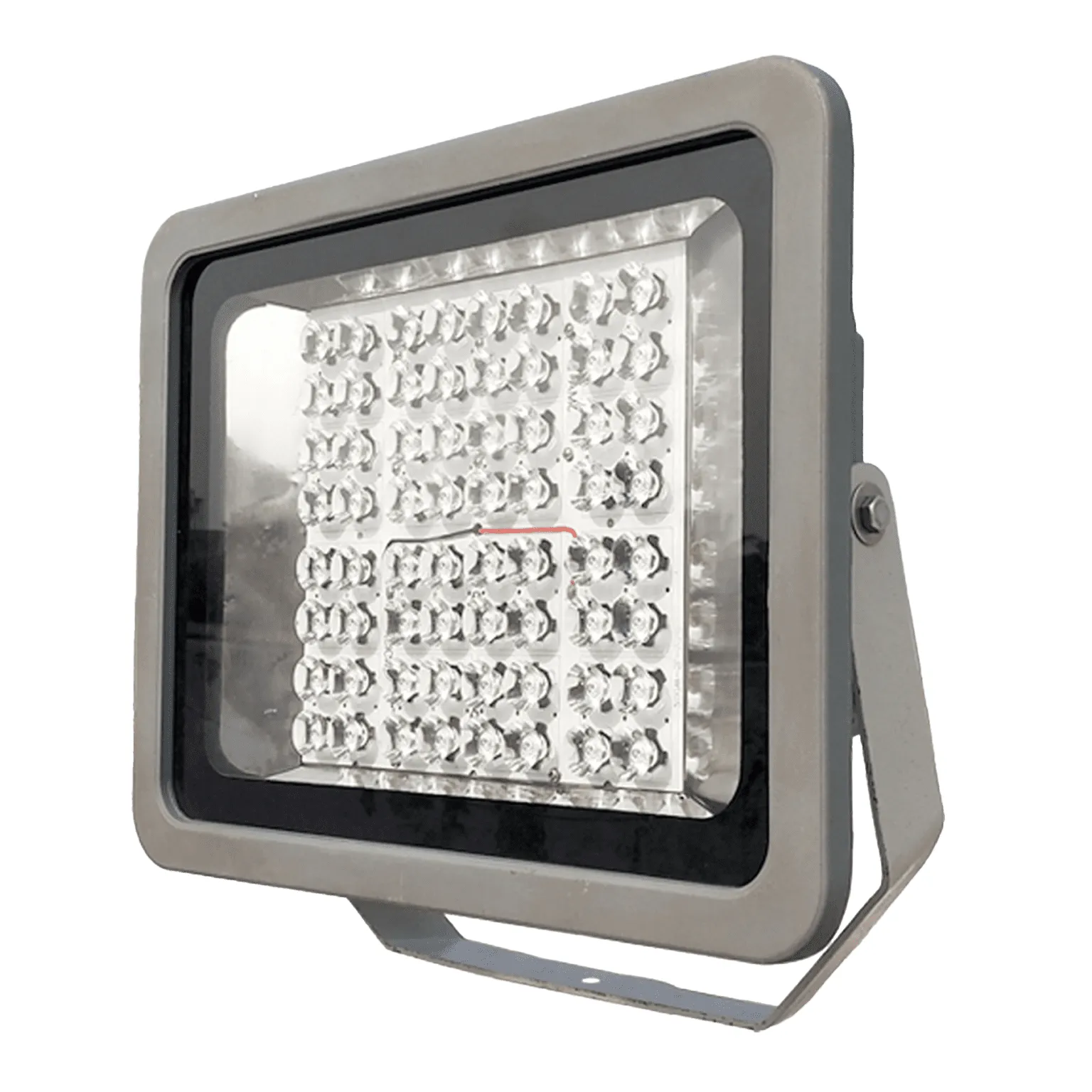

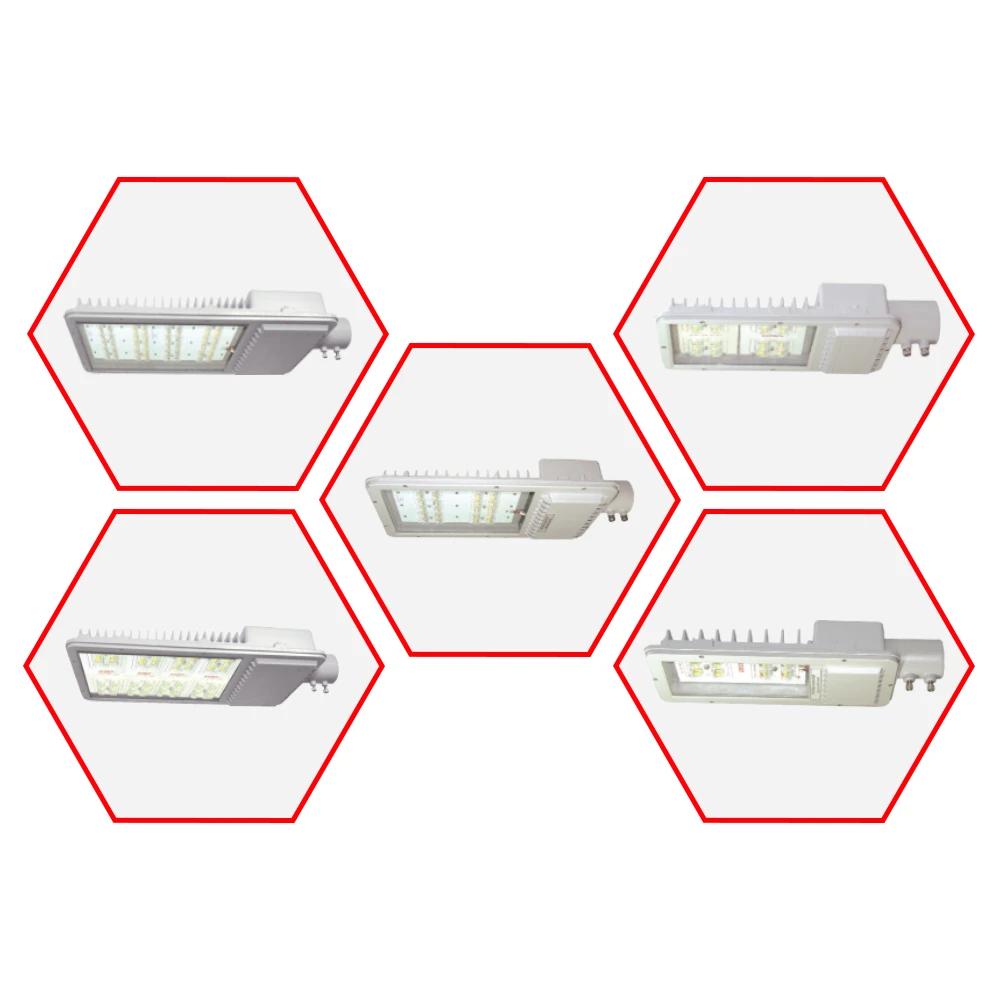
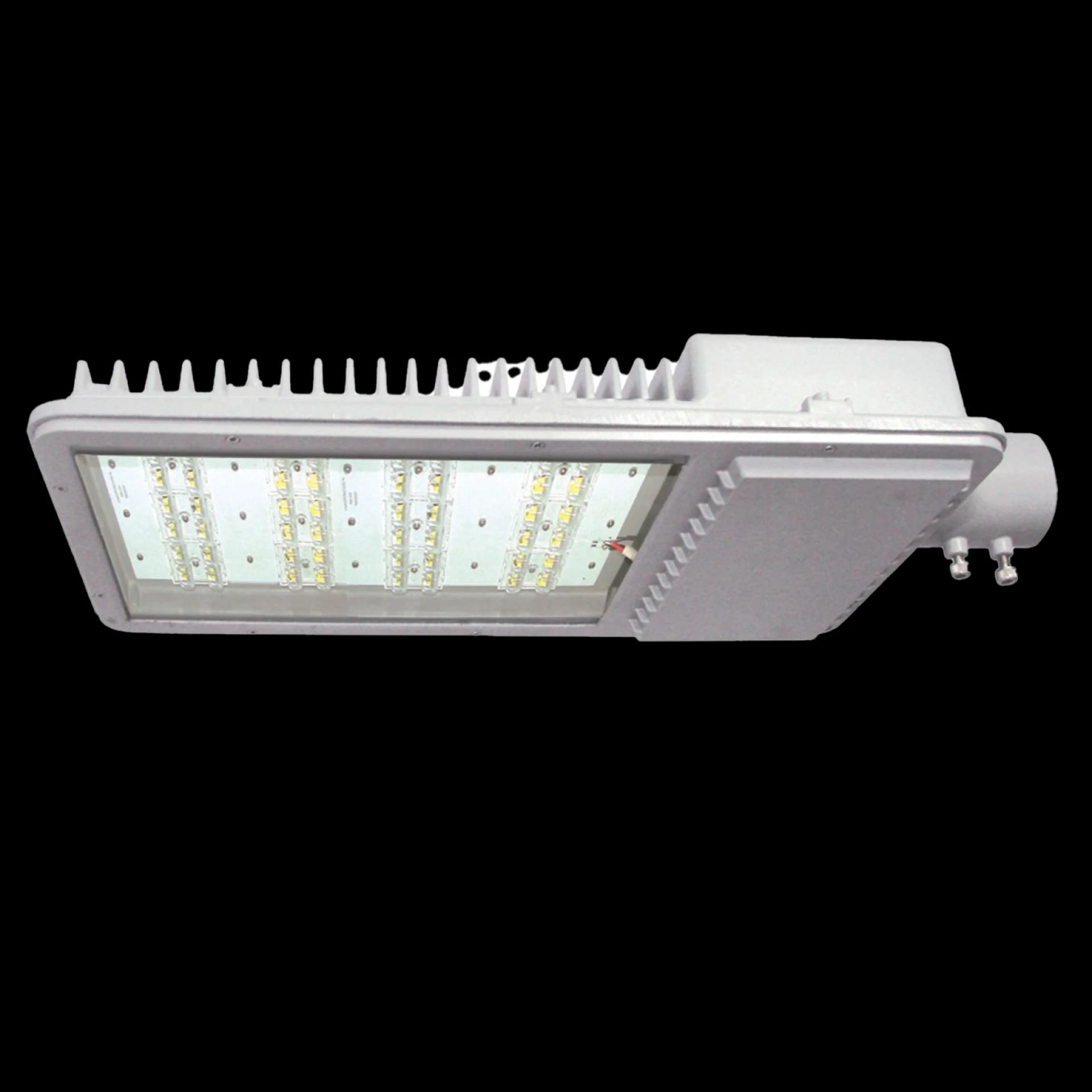
As industries, businesses, municipalities, and infrastructure developers strive to reduce energy consumption and embrace sustainable practices, outdoor lighting technology has undergone a remarkable transformation. Traditional lighting systems that once dominated large-scale outdoor applications are gradually being replaced by more efficient and environmentally responsible alternatives. Among these innovations, LED flood lights have emerged as the leading solution for modern outdoor illumination.
With their exceptional energy efficiency, long lifespan, superior performance, and compatibility with smart technologies, LED flood lights are redefining the future of outdoor lighting. Sigma Search Lights Ltd continues to deliver advanced LED flood lighting solutions that help organisations achieve greater efficiency, lower operating costs, and enhanced environmental sustainability.
The Growing Demand for Energy-Efficient Lighting
Outdoor lighting plays a critical role in ensuring safety, security, and operational efficiency across a wide range of applications. Industrial facilities, sports complexes, airports, ports, highways, construction sites, parking areas, and commercial properties all rely on powerful lighting systems to maintain visibility after dark.
However, traditional lighting technologies such as metal halide, halogen, and high-pressure sodium lamps consume large amounts of electricity and often require frequent maintenance. As energy costs rise and environmental concerns become more pressing, organisations are increasingly seeking lighting solutions that can deliver superior performance while minimising resource consumption.
LED flood lights address these challenges by providing high-quality illumination with significantly lower energy requirements, making them a key component of future-ready lighting infrastructure.
Outstanding Energy Efficiency
The most compelling reason LED flood lights are considered the future of outdoor lighting is their exceptional energy efficiency. LEDs convert a much greater percentage of electrical energy into visible light compared to conventional lighting technologies.
Traditional flood lights often waste substantial amounts of energy in the form of heat. LED systems, by contrast, operate far more efficiently, delivering brighter illumination while consuming significantly less power.
This efficiency translates into lower electricity bills and reduced demand on energy infrastructure. For organisations operating large-scale outdoor lighting installations, the long-term energy savings can be substantial, making LED flood lights a highly cost-effective investment.
Supporting Sustainability Goals
Environmental sustainability has become a central focus for governments, businesses, and communities worldwide. Reducing carbon emissions and conserving resources are essential components of achieving long-term sustainability objectives.
LED flood lights contribute directly to these goals by lowering energy consumption and reducing greenhouse gas emissions associated with electricity generation. Their efficient operation helps organisations minimise their environmental footprint while maintaining high levels of illumination.
As countries continue to implement stricter energy regulations and climate policies, LED lighting technology is expected to play an increasingly important role in sustainable infrastructure development.
Longer Lifespan and Reduced Waste
Another major advantage of LED flood lights is their extended operational lifespan. Traditional lighting systems often require frequent bulb replacements, resulting in increased maintenance costs and significant waste generation.
Modern LED flood lights can operate for 50,000 hours or more, far exceeding the lifespan of conventional alternatives. This durability reduces the need for replacement lamps and minimises waste associated with discarded lighting components.
By extending service intervals and reducing material consumption, LED technology supports more sustainable resource management while lowering maintenance expenses.
Superior Lighting Performance
Energy efficiency alone is not enough to define the future of outdoor lighting. Lighting systems must also provide excellent visibility and reliable performance.
LED flood lights deliver high-quality illumination with superior brightness, uniformity, and colour rendering. Their ability to produce clear and consistent light improves visibility across large outdoor areas, enhancing safety and operational effectiveness.
Whether illuminating industrial facilities, transportation hubs, sports venues, or public spaces, LED flood lights provide dependable performance that supports productivity and security.
Unlike some traditional lighting technologies that require warm-up periods to reach full brightness, LED flood lights provide instant illumination. This immediate response is particularly valuable in security applications, emergencies, and facilities that require rapid lighting activation.
LEDs also maintain consistent performance throughout their operational life, providing stable light output without significant degradation. This reliability ensures continuous visibility and minimises disruptions caused by lighting failures.
As organisations prioritise operational efficiency, the dependable performance of LED flood lights makes them an increasingly attractive solution.
Smart Lighting Integration
The future of outdoor lighting extends beyond energy efficiency to include intelligent control and automation. LED flood lights are ideally suited for integration with smart lighting systems that optimise performance and resource utilisation.
Features such as motion sensors, occupancy detection, automated scheduling, remote monitoring, and adaptive dimming allow organisations to tailor lighting output to real-time conditions.
For example, lighting levels can automatically adjust based on activity patterns, weather conditions, or operational requirements. This intelligent approach maximises energy savings while ensuring appropriate illumination at all times.
The compatibility of LED flood lights with smart technologies positions them as a cornerstone of future infrastructure development.
Outdoor lighting systems often cover extensive areas and may be installed in difficult-to-access locations. Frequent maintenance can therefore become a significant operational challenge.
Because LED flood lights last much longer than conventional alternatives, they require fewer maintenance interventions. Reduced servicing needs lower labour costs, minimise equipment downtime, and improve overall operational efficiency.
For industrial facilities, airports, ports, and municipal installations, these maintenance savings contribute significantly to the long-term value of LED lighting investments.
Enhanced Environmental Responsibility
LED flood lights offer several environmental benefits beyond energy efficiency. Unlike some traditional lighting technologies, LEDs do not contain hazardous substances such as mercury.
Their precise optical control also reduces light pollution by directing illumination only where it is needed. This minimises unnecessary light spill and helps protect surrounding ecosystems and nighttime environments.
As environmental regulations become more stringent, organisations are increasingly adopting LED technology to improve compliance and demonstrate their commitment to sustainability.
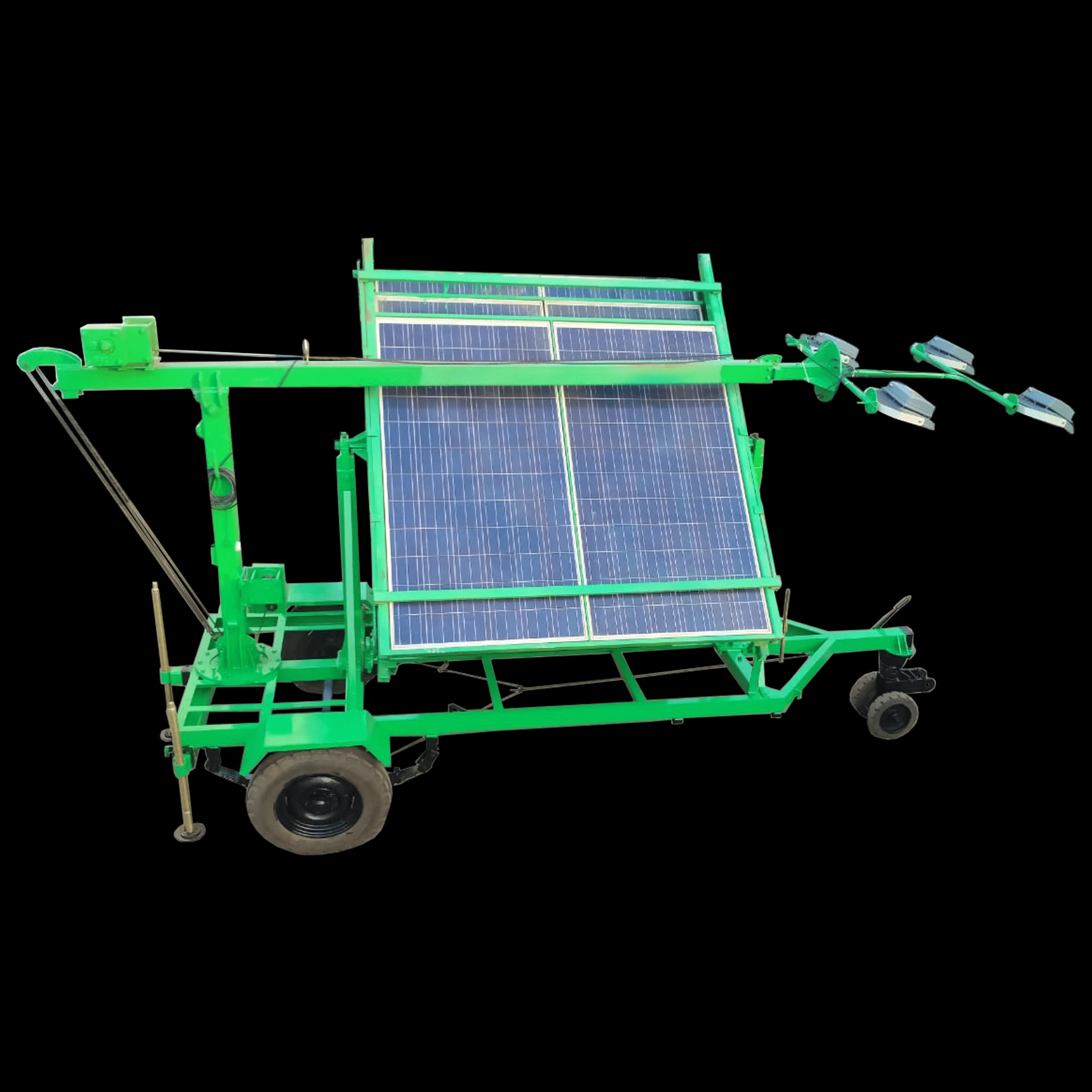
The future of outdoor lighting is closely linked to renewable energy adoption. LED flood lights are highly compatible with solar power systems and other renewable energy technologies due to their low energy consumption.
Solar-powered LED flood lights provide a practical and sustainable solution for remote locations, infrastructure projects, and facilities seeking greater energy independence. This combination supports cleaner energy generation while reducing reliance on traditional power sources.
The ability to integrate with renewable energy systems further strengthens the role of LED flood lights in future lighting strategies.
While the initial investment in LED flood lights may be higher than traditional lighting systems, the long-term financial advantages are substantial. Lower electricity costs, reduced maintenance expenses, extended service life, and improved operational efficiency contribute to a lower total cost of ownership.
Organisations that invest in LED technology often achieve a strong return on investment while benefiting from superior lighting performance and sustainability outcomes.
These economic advantages ensure that LED flood lights remain a preferred choice for forward-thinking businesses and municipalities.
Conclusion
LED flood lights represent the future of energy-efficient outdoor lighting because they combine exceptional performance, advanced technology, and environmental responsibility. Their ability to reduce energy consumption, lower maintenance costs, support smart infrastructure, and integrate with renewable energy systems makes them an ideal solution for modern outdoor applications.
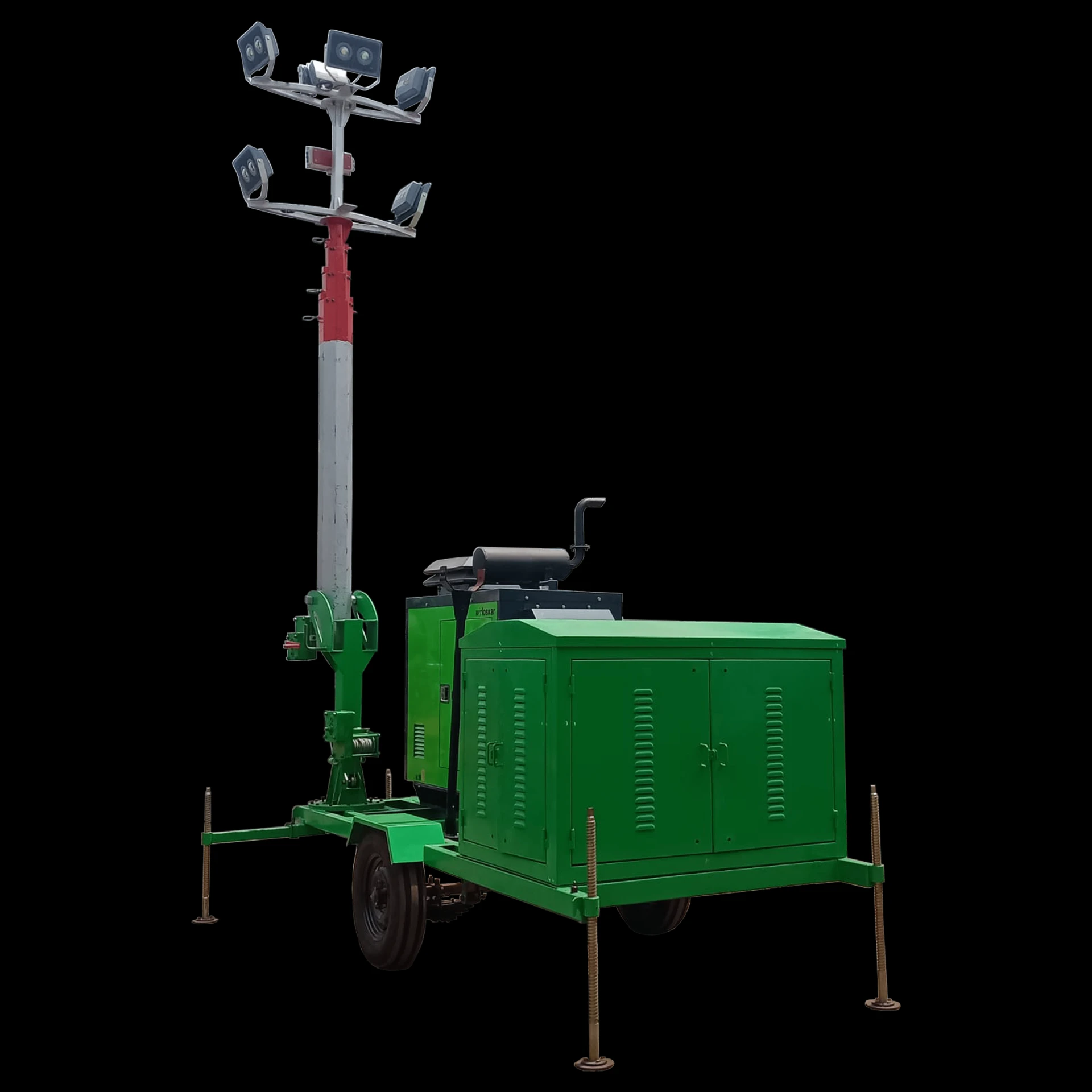
Sigma Search Lights Ltd is committed to delivering innovative LED flood lighting solutions that help organisations achieve their operational and sustainability goals. By embracing LED technology today, businesses and communities can build safer, more efficient, and environmentally responsible lighting systems that are ready for the future.





















Sign in to leave a comment.