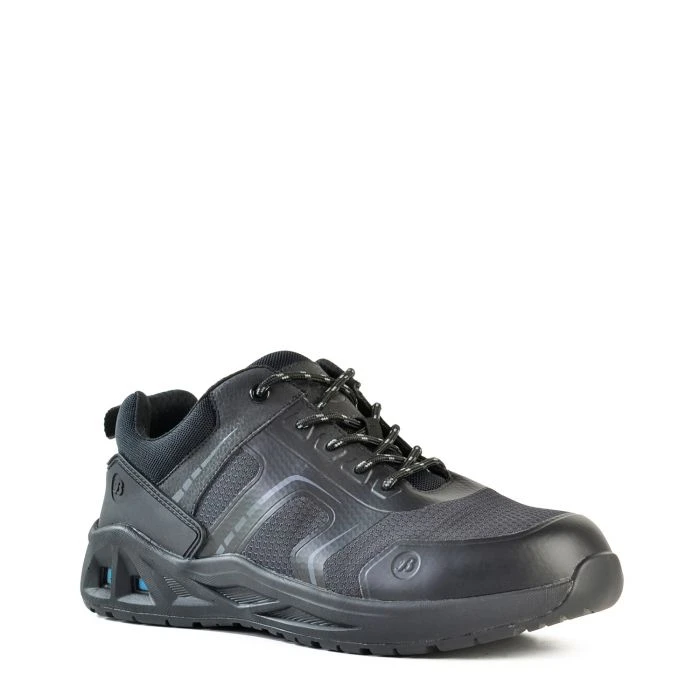
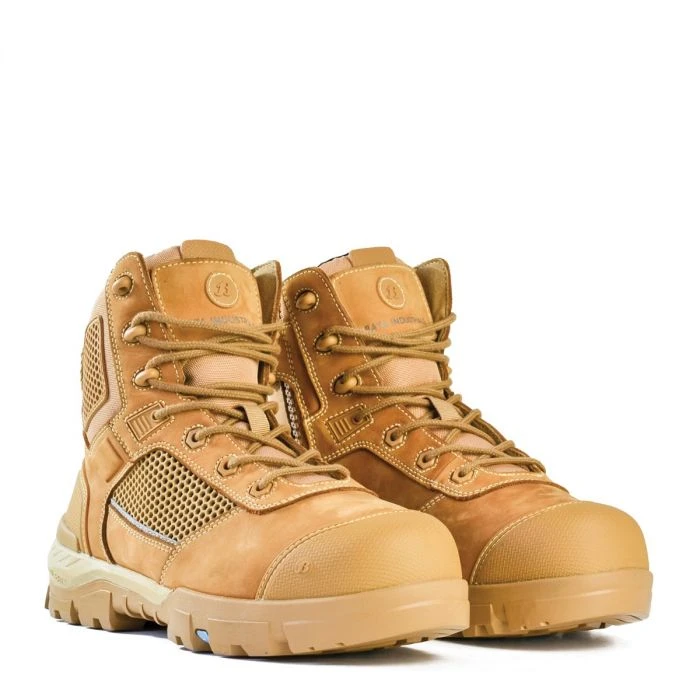
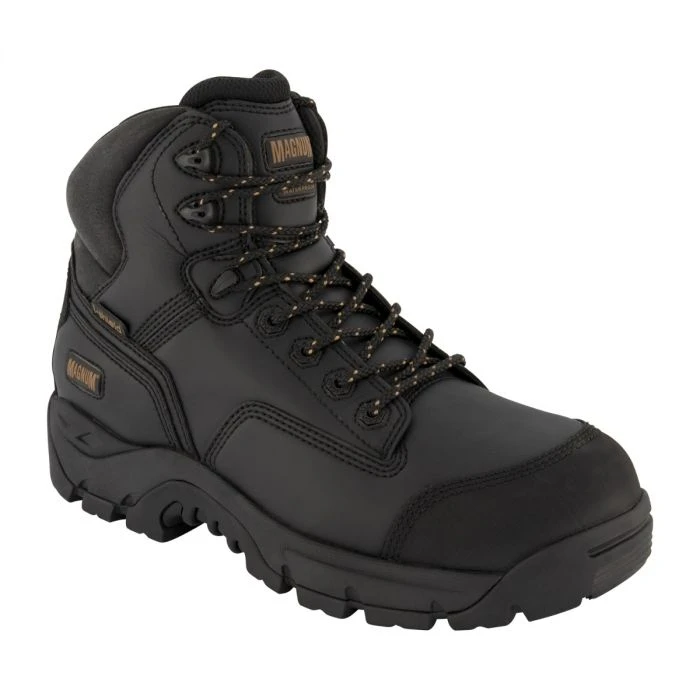
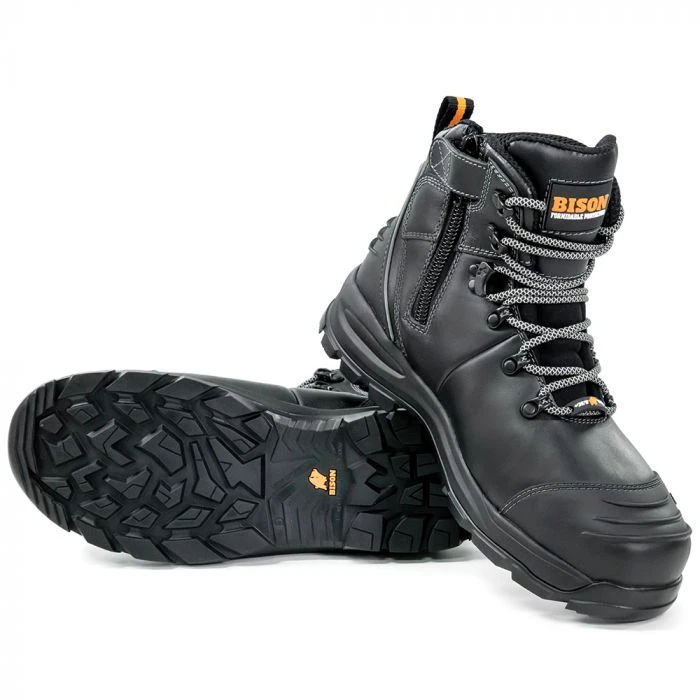
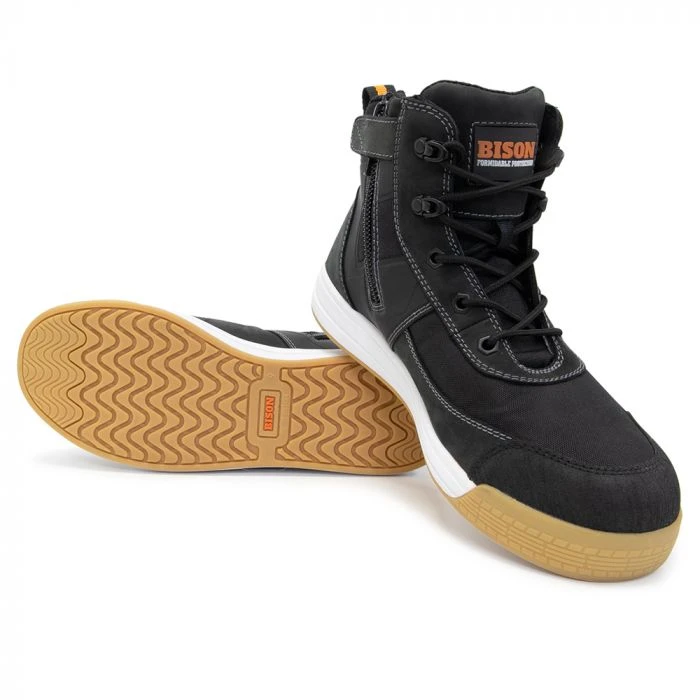
Workplace safety has always been a top priority across various industries—especially those where physical labour, movement, or potential hazards are part of the job. Traditionally, steel-capped boots and heavy-duty footwear dominated the safety shoe market. But in recent years, lightweight safety runners have seen a surge in popularity. These hybrid shoes combine the protective features of traditional safety footwear with the comfort, agility, and style of athletic sneakers.
1. Comfort for Long Workdays
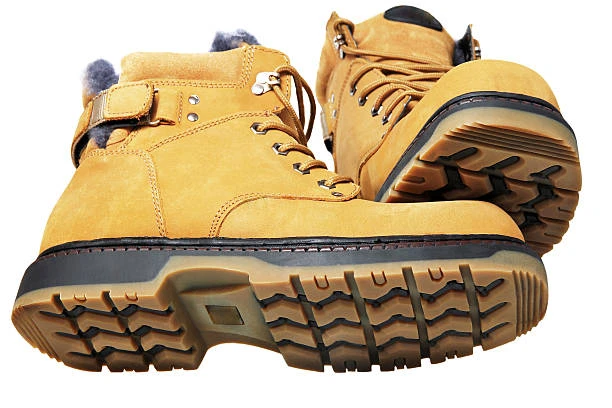
One of the most compelling reasons for the rising popularity of lightweight safety runners is comfort. Workers in industries like warehousing, logistics, construction, manufacturing, and healthcare often spend 8 to 12 hours on their feet each day. Traditional safety boots, while protective, can be bulky and rigid—leading to foot fatigue, discomfort, and even chronic pain over time.
Lightweight safety runners are designed with ergonomics in mind. They typically feature:
- Cushioned insoles for shock absorption
- Flexible materials that allow natural foot movement
- Breathable fabrics that reduce heat and sweat buildup
The result? Workers experience less strain on their feet, knees, and backs—helping them stay productive and focused throughout the day.
2. Better Mobility and Agility
When you’re constantly on the move, every step matters. The reduced weight and flexible sole of safety runners make it easier to walk, climb, crouch, or pivot. In fast-paced environments like distribution centres or large worksites, this mobility boost can make a big difference.
Traditional work boots can slow you down and limit your range of motion. Safety runners, by contrast, support faster, more natural movements. This is particularly useful for roles that require agility, such as electricians, plumbers, retail stockers, and maintenance workers.
3. Stylish, Modern Designs
Let’s face it—appearance matters. Today’s workers aren’t just looking for functional gear; they also want something that looks good. Lightweight safety runners cater to this demand with sleek, modern designs that resemble everyday sneakers or athletic shoes.
This makes them ideal not only for the workplace but also for commuting or running errands before or after a shift. Many workers appreciate the ability to wear their safety footwear without feeling like they’re lugging around a pair of bricks. Employers also benefit from a more polished and professional look across their team.
4. Compliance with Safety Standards
One concern people may have about safety runners is whether they provide adequate protection. The good news is that many modern safety runners meet or exceed key Australian and international safety standards, including:
- Steel or composite toe caps to protect against impact and compression
- Slip-resistant soles to reduce the risk of falls
- Puncture-resistant midsoles to guard against sharp objects
- Electrical hazard protection in select models
Manufacturers have invested heavily in R&D to ensure that lightweight runners deliver the same essential protection as heavier boots—without the weight.
5. Growing Demand from Younger Workers
The workforce is evolving, and so are expectations around workwear. Many younger employees are prioritising comfort, versatility, and style more than ever before. They’re less likely to accept uncomfortable, old-school work boots when there are modern alternatives that offer the same safety with a better fit and aesthetic.
Workplaces are increasingly listening to employee feedback—especially when it comes to gear that affects health and wellbeing. Lightweight safety runners align well with the values of a younger, more dynamic workforce that expects both performance and comfort.
6. Health and Injury Prevention
Footwear plays a huge role in injury prevention. Heavy, ill-fitting work boots can contribute to a range of musculoskeletal issues, including:
- Plantar fasciitis
- Shin splints
- Lower back pain
- Ankle strain
By offering lightweight construction, arch support, and ergonomic cushioning, safety runners can help minimise these risks. Employers who prioritise employee wellbeing see long-term benefits in the form of lower injury rates, reduced absenteeism, and improved morale.
7. Versatility Across Job Roles
Not every role demands the same type of footwear. For employees who split their time between the office and the warehouse—or between indoor and outdoor environments—lightweight safety runners are an ideal solution.
They provide enough protection for low to medium-risk environments while maintaining the comfort and appearance needed for more professional settings. For supervisors, project managers, engineers, and technicians who are frequently on the go, this versatility is a major win.
8. Improved Durability and Technology
Early versions of safety runners sometimes lacked the durability of traditional boots. But with advancements in materials and construction methods, today’s models are far more robust.
Brands are now using technologies like:
- Kevlar midsoles for puncture resistance
- TPU toe bumpers to reduce wear
- Reinforced stitching and welded seams for extended life
- EVA and memory foam footbeds for extra support
This means workers don’t have to sacrifice longevity for comfort—they can have both.
9. Faster Break-In Period
Breaking in a new pair of heavy work boots can take days—or even weeks—of sore feet and blisters. In contrast, most safety runners feel comfortable right out of the box. Thanks to flexible materials and athletic-inspired design, they mould to the wearer’s foot more quickly.
This can be a game-changer for new employees who need to hit the ground running without dealing with footwear-related setbacks.
10. Encouraging Safety Compliance
Let’s be honest—if PPE is uncomfortable or unattractive, workers are less likely to wear it consistently. By offering safety runners that are stylish, comfortable, and light, employers are seeing improved compliance rates.
When safety gear feels more like a benefit than a burden, workers are more engaged with workplace safety policies. This can lead to fewer accidents and a stronger safety culture overall.
Final Thoughts
Lightweight safety runners represent the next evolution in workplace footwear. They blend the protective features of traditional safety boots with the comfort and mobility of athletic shoes. As industries modernise and employee wellbeing becomes a greater focus, it’s no surprise these shoes are becoming the go-to choice for a wide range of professionals.
Whether you're in logistics, construction, facilities management, or manufacturing, switching to lightweight safety runners could be the step that keeps your team safer, happier, and more productive.
























Sign in to leave a comment.