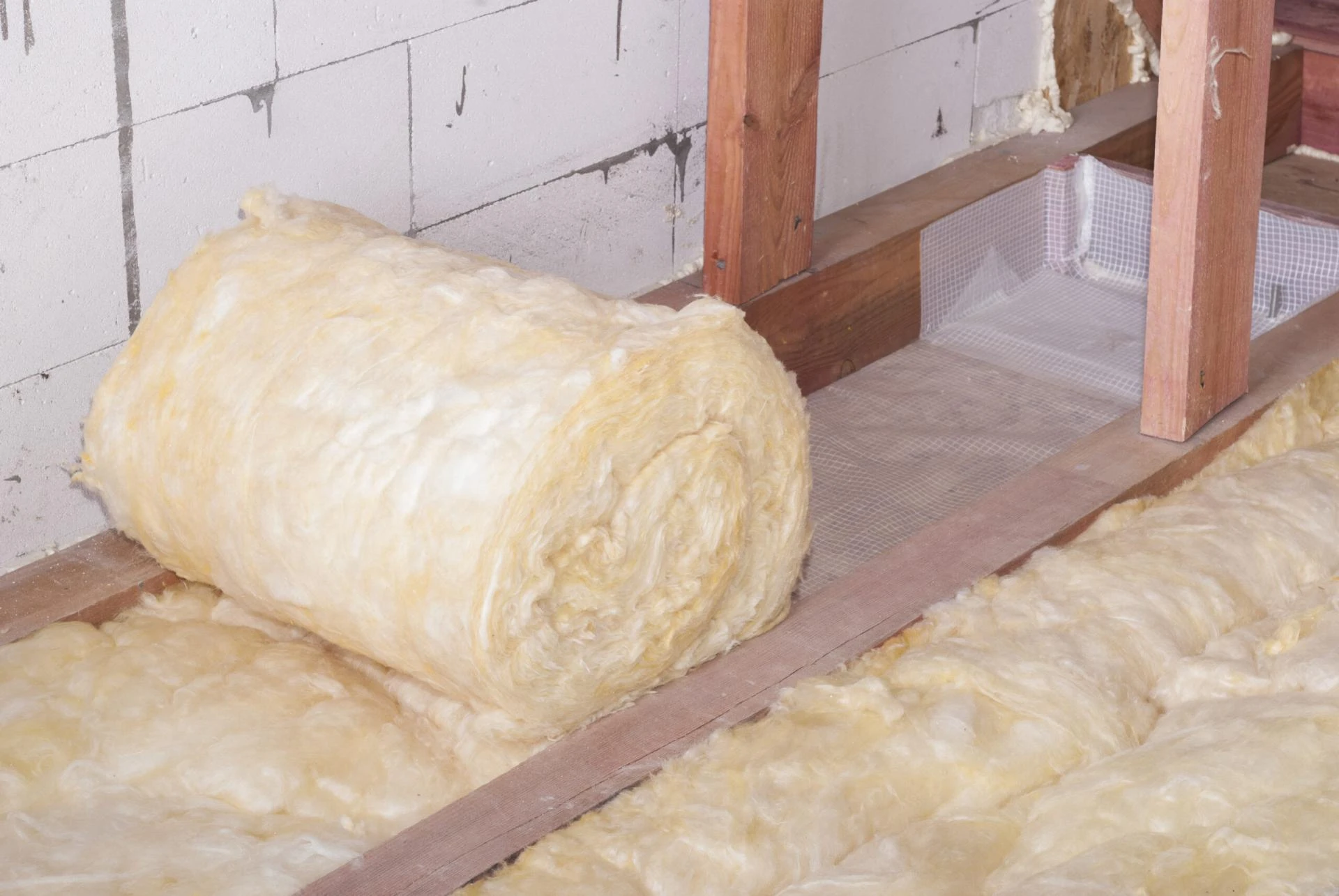
When choosing insulation for homes or commercial buildings, most people think of fiberglass or spray foam first. Mineral wool often gets overlooked, yet it offers distinct advantages that make it one of the best options available. By exploring a mineral wool insulation solution, property owners can better understand its unique features and make smarter choices about energy efficiency, safety, and durability.
What Is Mineral Wool and Why Is It Different?
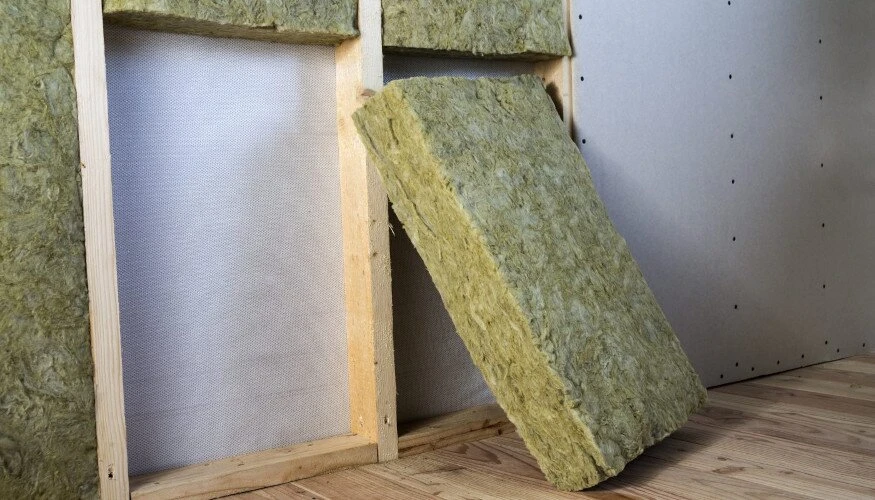
Mineral wool, sometimes called rock wool or stone wool, is made from natural rock and recycled slag spun into dense fibers. This gives it a distinctive structure that offers several practical advantages compared to traditional insulation materials.
It’s dense but still breathable, resisting heat flow while allowing moisture vapor to pass through. That balance helps avoid condensation problems inside walls and attics, reducing the risk of mold.
Mineral wool is naturally fire-resistant, making it one of the safest insulation options for fire-prone areas or commercial buildings requiring strict fire codes.
Key Benefits of Mineral Wool Insulation
Mineral wool stands out because it combines fire resistance, soundproofing, moisture control, and durability into a single material. This section explores those benefits.
Fire Resistance
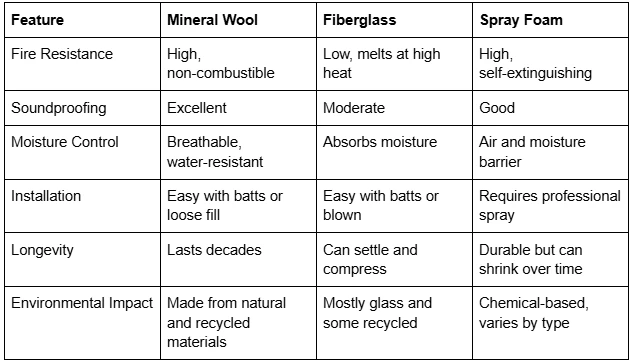
Mineral wool can withstand temperatures above 1,800°F without melting or releasing toxic fumes. This property makes it ideal for protecting buildings from fire damage and meeting fire safety regulations in commercial projects.
Sound Absorption
Its dense fiber structure reduces sound transmission. Mineral wool is often used in studios, offices, and multi-family housing to minimize noise between rooms and floors.
Moisture Resistance and Breathability
Unlike fiberglass, mineral wool doesn’t absorb water but allows vapor to escape. This helps prevent trapped moisture that can cause mold growth and damage insulation effectiveness.
Durability and Longevity
Mineral wool maintains its shape and insulating properties for decades. It resists settling, compression, and pest damage better than many other insulation types.
How Mineral Wool Compares to Other Insulation Materials
Choosing insulation depends on performance, cost, and application. Here’s a direct comparison of mineral wool, fiberglass, and spray foam.
Where Mineral Wool Works Best
Mineral wool is versatile enough for many applications. It’s suitable for attics, walls, basements, and commercial properties that require fire safety and sound control.
Residential Use
Homeowners benefit from mineral wool’s fire protection and noise reduction, especially in areas with high fire risk or close neighbors. Its moisture resistance also suits humid climates.
Commercial Use
In commercial buildings, mineral wool helps meet strict fire codes. It also offers acoustic benefits in offices, schools, and medical facilities where sound control improves comfort.
Retrofit Projects
For upgrading existing insulation, mineral wool’s ability to resist moisture and fire makes it a strong candidate. It fits around pipes and wiring easily, providing consistent coverage.
Installation Tips for Mineral Wool
Proper installation maximizes mineral wool’s benefits. Here are some tips to keep in mind.
Preparing the Space
Before installing, inspect the area for moisture, air leaks, and damage. Fix any issues to protect insulation longevity.
Fit and Coverage
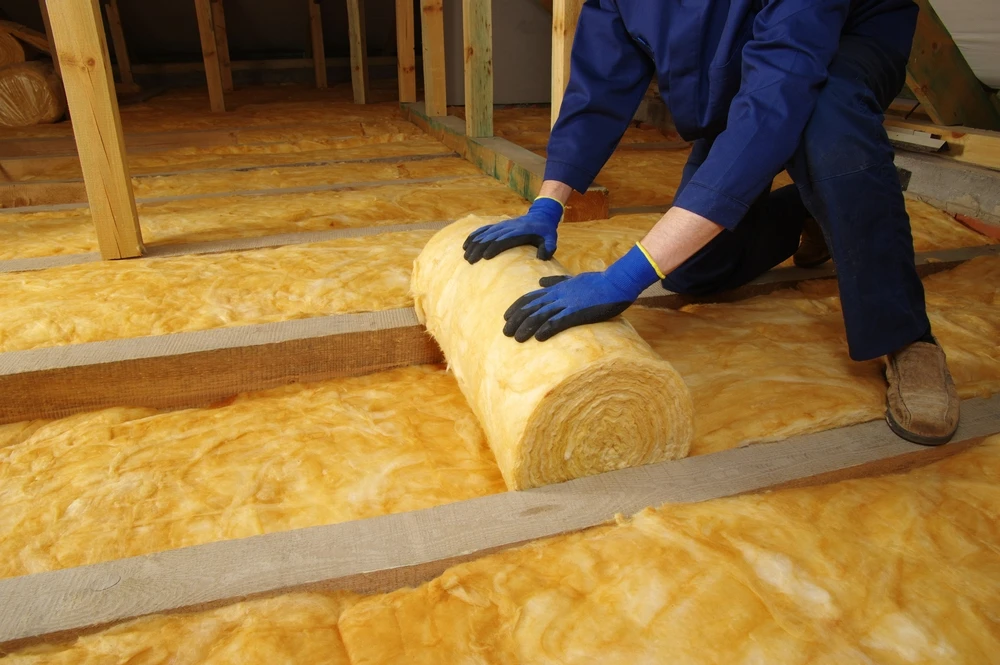
Mineral wool comes in batts, rolls, or loose fill. Batts should fit snugly without gaps, but not compressed. Loose fill can fill irregular spaces and cavities effectively.
Ventilation
Maintain attic or wall ventilation to ensure moisture can escape and prevent mold or damage.
Safety Precautions
Although mineral wool is non-toxic, wearing gloves, goggles, and a dust mask during installation helps avoid irritation from fibers.
Addressing Common Concerns About Mineral Wool
Some hesitate to use mineral wool due to myths or misunderstandings. This section clears up common doubts.
Is Mineral Wool More Expensive?
The upfront cost is generally higher than fiberglass but comparable to spray foam. Considering its longevity and performance, mineral wool often delivers better value over time.
Does Mineral Wool Cause Health Issues?
Modern mineral wool products are designed to minimize skin and respiratory irritation. Proper handling and protective gear reduce risks during installation.
Is Mineral Wool Environmentally Friendly?
Mineral wool uses natural rock and recycled materials, making it more sustainable than many insulation types relying on petrochemicals.
Conclusion
Mineral wool insulation deserves more attention for its unique combination of fire resistance, soundproofing, moisture control, and durability. It performs well in homes and commercial buildings where safety, comfort, and longevity matter. Its natural composition and longevity provide an eco-conscious option that can save energy and reduce risks. Choosing mineral wool over common alternatives can offer better protection and comfort without sacrificing efficiency. For property owners looking for insulation that lasts and protects, working with the best insulation contractor ensures that a mineral wool insulation solution is installed correctly for maximum performance.
FAQs
Is mineral wool better than fiberglass for fire safety?
Yes. Mineral wool is naturally non-combustible and withstands very high temperatures, making it superior for fire protection.
Can mineral wool reduce noise between rooms effectively?
Mineral wool’s dense fibers absorb sound well, making it one of the best materials for soundproofing walls and ceilings.
Does mineral wool insulation absorb moisture?
No. It resists water absorption while allowing vapor to pass, preventing mold and maintaining performance.
Is mineral wool suitable for commercial buildings?
Yes. It meets fire codes and provides sound control, making it a popular choice for offices, schools, and medical facilities.
What safety gear is needed when installing mineral wool?
Wear gloves, goggles, and a dust mask to protect against irritation from fibers during installation.
Author
Robert Lamothe has over 20 years of experience in spray foam insulation, carpentry, and building science. Since 2002, he has built a reputation for quality work and energy-efficient solutions. Lamothe Insulation is a family-owned business, and Robert also owns the Goddard School of Auburn, an early childhood education center.
Reviewer
Ethan Taylor, with 8 years in spray foam insulation, reviewed this content and suggested ways to keep the information clear and professional.
























Sign in to leave a comment.