
Modern healthcare systems rely heavily on advanced electronic technologies to deliver accurate diagnostics, effective treatments, and reliable patient care. From MRI scanners and CT imaging systems to patient monitoring equipment and laboratory devices, hospitals today operate in highly connected electronic environments. While these innovations have transformed healthcare, they have also introduced a growing challenge: electromagnetic interference (EMI).
As medical facilities become increasingly dependent on sensitive electronic equipment, EMI protection has become essential for maintaining operational reliability, patient safety, and accurate medical performance. Even minor electrical disturbances can impact imaging quality, disrupt monitoring systems, or interfere with critical healthcare devices.
This is why EMI protection technologies are now considered a foundational part of modern healthcare infrastructure.
The Growing Complexity of Healthcare Electronics
Healthcare technology has evolved rapidly over the past decade. Hospitals now rely on interconnected medical devices, wireless communication systems, automated monitoring solutions, and advanced imaging technologies to support patient care.
Modern medical environments contain countless electronic systems operating simultaneously within confined spaces. MRI scanners, infusion pumps, ventilators, surgical systems, wireless communication devices, and laboratory equipment all generate electromagnetic emissions that can interfere with nearby electronics.
At the same time, healthcare systems must remain operational around the clock. Unlike many other industries, equipment failure in a hospital environment can directly impact patient outcomes and safety.
As healthcare infrastructure becomes more technologically advanced, controlling EMI and ensuring electromagnetic compatibility (EMC) has become increasingly important.
Why EMI Protection Matters in Healthcare
Electromagnetic interference can affect medical devices in several ways. Conducted interference traveling through power lines may introduce electrical noise into sensitive equipment, while radiated interference from nearby devices can disrupt signals and reduce system accuracy.
In imaging applications, even small levels of interference can compromise diagnostic quality. In monitoring systems, EMI may affect data transmission or trigger false readings.
EMI protection helps prevent these issues by suppressing unwanted electrical disturbances and maintaining clean power delivery throughout healthcare facilities.
Advanced filtering technologies improve equipment stability, reduce operational disruptions, and support reliable long-term system performance in demanding medical environments.
MRI Systems and the Need for Specialized EMI Protection
MRI systems are among the most sensitive electronic devices used in healthcare. These imaging systems rely on highly controlled electromagnetic environments to produce accurate and detailed diagnostic images.
However, MRI equipment is extremely vulnerable to radio frequency interference and conducted electrical noise. External RF signals, nearby electronics, and unstable power conditions can all impact imaging quality and system reliability.
This is why advanced MRI Filters are essential in modern MRI installations. These filtering solutions help block unwanted electromagnetic interference while maintaining stable operation for sensitive imaging equipment.
Specialized RF Filters for MRI rooms are designed to suppress external radio frequency disturbances that could otherwise compromise MRI performance. These filters create cleaner electromagnetic environments and help maintain imaging accuracy in hospitals and diagnostic facilities.
Similarly, a high-performance MRI RF filter helps prevent RF interference from entering shielded MRI rooms while also reducing emissions generated inside the imaging environment. These advanced filters play a critical role in supporting EMC compliance and reliable medical diagnostics.
Single Phase EMI Filters in Healthcare Applications
Many medical devices operate using single-phase electrical systems, especially in clinics, laboratories, and patient care environments.
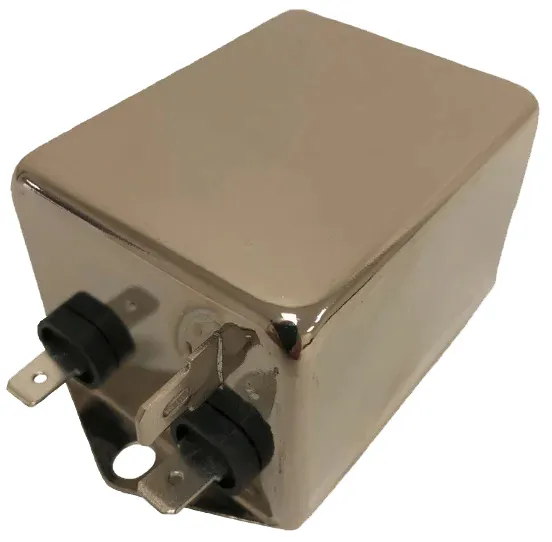
Advanced Single Phase EMI Filters are commonly used to suppress electrical noise and stabilize power delivery for sensitive healthcare electronics. These filters help protect devices such as patient monitors, ultrasound systems, laboratory analyzers, and communication equipment from electromagnetic disturbances.
Modern hospitals also rely heavily on Commercial Single Phase EMI Filters for healthcare infrastructure systems where stable power quality and low interference levels are essential.
These filtering solutions improve equipment reliability, reduce signal disruptions, and support continuous operation in demanding medical environments.
Three Phase EMI Filters for Large Healthcare Systems
Larger hospital infrastructure systems often require higher-power electrical configurations to support imaging systems, HVAC systems, backup power equipment, and automated facility operations.
Advanced Three Phase EMI Filters help control electromagnetic interference across these larger electrical systems while maintaining stable and efficient power delivery.
Modern healthcare facilities increasingly use Commercial Three Phase EMI Filters to protect critical infrastructure from conducted interference generated by high-power equipment, power conversion systems, and industrial-grade electronics.
Reliable three-phase filtering solutions are especially important in large hospitals and medical campuses where multiple high-power systems operate simultaneously.
The Growing Role of DC EMI Filters
Healthcare technology is also becoming increasingly dependent on direct current (DC) powered systems. Battery-backed medical devices, renewable energy systems, emergency power solutions, and telecommunications equipment all contribute to the growing use of DC power in healthcare environments.
As these systems expand, advanced DC EMI Filters are becoming more important for controlling conducted noise in DC electrical networks.
These filters help suppress high-frequency interference while supporting stable power delivery for sensitive healthcare electronics and emergency backup systems.
Healthcare Facilities Face Unique EMC Challenges
Unlike many industrial environments, hospitals contain both sensitive electronic equipment and vulnerable human patients. This creates unique EMC requirements that demand extremely reliable EMI suppression and electrical stability.
Medical facilities also operate in highly dynamic electromagnetic environments where equipment is frequently added, moved, or upgraded. Wireless communication systems, portable electronics, and interconnected medical devices increase the complexity of EMI management.
In addition, healthcare organizations must comply with strict regulatory standards to ensure equipment safety and electromagnetic compatibility.
Without proper EMI protection, hospitals may face increased maintenance costs, equipment downtime, imaging errors, communication problems, and operational risks.
The Future of EMI Protection in Healthcare
As healthcare systems continue adopting artificial intelligence, robotic surgery, telemedicine, remote monitoring, and smart hospital technologies, EMI protection will become even more critical.
Future medical facilities will depend on increasingly interconnected electronic ecosystems where stable communication and interference-free operation are essential.
Advanced EMI filtering technologies will continue evolving to provide higher attenuation performance, improved efficiency, compact designs, and enhanced compatibility with modern healthcare infrastructure.
Hospitals that prioritize electromagnetic compatibility during system design and facility planning will be better equipped to maintain reliable performance, support patient safety, and improve operational efficiency.
Conclusion
Modern healthcare systems depend on advanced electronic technologies to deliver accurate diagnostics, effective treatment, and continuous patient care. As hospitals become more digitally connected and electronically complex, protecting sensitive equipment from electromagnetic interference has become a critical priority.
Solutions such as DC EMI Filters, MRI Filters, Commercial Three Phase EMI Filters, and Commercial Single Phase EMI Filters play a vital role in maintaining clean power, reducing interference, and supporting reliable medical operations.
As healthcare technology continues advancing, EMI protection will remain essential for ensuring equipment reliability, operational stability, and the safe delivery of modern medical care.


























Sign in to leave a comment.