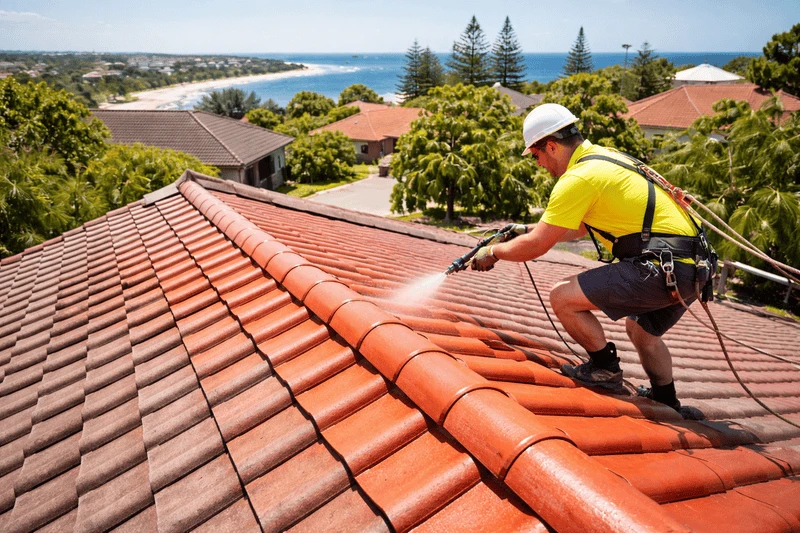

Roofs are one of the most important structural elements of any home, yet they are often overlooked until problems become visible. Cracked tiles, faded coatings, leaks or mould growth can develop gradually over time, especially in coastal regions where roofs are exposed to salt air, sun and heavy rain. For many property owners, roof restoration Caloundra projects offer a practical way to extend the life of an existing roof while improving both appearance and performance.
Understanding how restoration works and when it is appropriate helps homeowners make informed decisions about protecting their property.
What Roof Restoration Involves
Roof restoration is a process designed to repair, clean and reseal an existing roof rather than replacing it entirely. While replacement may be necessary in some situations, many roofs remain structurally sound and only require targeted repairs and protective coatings.
A typical restoration begins with a detailed inspection. Roofing specialists assess the condition of tiles or metal sheets, identify areas of damage and check for leaks or structural concerns. Once the condition of the roof is understood, cleaning and repairs can begin.
High-pressure cleaning is often used to remove dirt, moss, lichen and accumulated debris. This stage prepares the surface for repairs and coatings, ensuring that sealants adhere properly.
Why Coastal Conditions Affect Roofs
Caloundra’s coastal environment creates unique challenges for roofing materials. Salt carried by sea breezes may gradually affect protective coatings and metal components. Combined with strong sunlight and occasional storms, this exposure can accelerate wear.
Over time, tiles may become brittle, and metal roofing may lose its protective finish. Even minor cracks or gaps may allow moisture to enter, which can lead to leaks or internal damage if not addressed promptly.
Because of these conditions, periodic inspection and maintenance play an important role in preserving roof integrity in coastal regions.
Signs That a Roof May Need Restoration
Many homeowners are unsure when restoration becomes necessary. One of the most noticeable signs is fading or discolouration, which indicates that protective coatings have begun to deteriorate.
Leaks or water stains inside the home often suggest that repairs are overdue. Loose ridge capping, cracked tiles or blocked gutters may also signal that maintenance is needed.
Moss and lichen growth are common in humid environments and may trap moisture against roofing materials, accelerating deterioration. Removing these growths and resealing the roof helps prevent long-term damage.
Addressing these issues early may reduce the need for more extensive repairs in the future.
Restoration Versus Replacement
One of the main advantages of restoration is cost-effectiveness. Replacing an entire roof involves removing existing materials, installing new ones and disposing of old components, which may be expensive and time-consuming.
Restoration, on the other hand, focuses on repairing and protecting what is already in place. When the underlying structure remains sound, this approach often provides many additional years of service at a lower cost.
A professional inspection helps determine whether restoration or replacement is the most suitable option for a particular property.
Homeowners exploring their options often review information about professional roofing services in Caloundra to understand how restoration projects are carried out and what results may be expected.
The Role of Protective Coatings
Protective coatings are a key component of most restoration projects. These coatings help seal porous surfaces, improve resistance to UV exposure and enhance water repellency.
Modern coatings are designed to be durable and flexible, allowing them to expand and contract with temperature changes without cracking. In addition to improving performance, coatings may also refresh the appearance of the roof, giving it a cleaner and more uniform look.
Colour options are often available, allowing homeowners to update the appearance of their property while completing necessary maintenance.
Improving Energy Efficiency
A restored roof may also contribute to improved energy efficiency. Reflective coatings help reduce heat absorption, which may keep roof spaces cooler during warm weather.
Lower roof temperatures may reduce the load on air conditioning systems, particularly in sunny climates. While energy savings vary depending on the property and materials used, improved thermal performance is often an added benefit of restoration.
Preventing Structural Damage
Roof leaks rarely remain isolated problems. Water entering through small cracks or gaps may affect insulation, ceiling linings and even structural timber over time.
Restoration addresses these vulnerabilities before they develop into larger issues. Repairing damaged sections, resealing surfaces and ensuring proper drainage all help protect the structure beneath the roof.
This preventative approach often proves more economical than repairing internal damage after a leak has been present for some time.
The Importance of Professional Workmanship
Roof restoration involves working at height, handling specialised materials and applying coatings that require specific preparation and curing conditions. Professional roofing contractors have the training, equipment and safety systems necessary to carry out this work effectively.
Experienced technicians understand how different roofing materials respond to cleaning, repairs and coatings. They also recognise potential issues that may not be immediately visible to homeowners.
Choosing qualified professionals helps ensure that restoration work delivers lasting results and complies with safety standards.
How Long a Restoration Takes
The duration of a restoration project depends on factors such as roof size, condition and weather conditions. Smaller residential roofs may be completed within a few days, while larger or more complex projects may take longer.
Weather plays an important role because coatings must be applied under suitable conditions to cure properly. Contractors typically plan schedules carefully to avoid rain or excessive humidity during application.
Understanding the expected timeline helps homeowners plan accordingly and minimise disruption.
Maintaining a Restored Roof
After restoration, regular maintenance helps preserve results. Cleaning gutters, checking for debris and scheduling periodic inspections help ensure that the roof continues to perform well.
Most roofing specialists recommend inspecting the roof every few years, particularly after severe weather events. Early detection of minor issues allows repairs to be carried out quickly, preventing more extensive work later.
Routine care helps maximise the lifespan of restoration work and protect the overall condition of the home.
The Long-Term Value of Roof Restoration
A well-maintained roof contributes to both structural integrity and property presentation. Clean, evenly coated roofing enhances kerb appeal and may positively influence property value.
For homeowners planning to sell, restoration may make a property more attractive to buyers by demonstrating that maintenance has been carried out responsibly.
Beyond appearance, restoration provides peace of mind by reducing the likelihood of leaks and unexpected repairs.
Final Thoughts
Roofs endure constant exposure to sun, wind, rain and airborne salt, making periodic maintenance essential. Choosing roof restoration Caloundra services allows homeowners to extend the life of their roofs, improve appearance and address small issues before they develop into larger problems.
With professional assessment, proper preparation and high-quality coatings, restoration offers a practical and effective way to protect one of the most important parts of any home.






























Sign in to leave a comment.