
The gardening world has seen a quiet but powerful revolution. People are growing more conscious about their choices—what they plant, how they water, and now, what kind of compost they use. As sustainability becomes the new norm, peat free compost is stepping into the spotlight.
Traditional Practices vs. Eco Gardening
For years, peat-based compost was the standard. It’s lightweight, holds moisture, and supports growth. But at what cost? Traditional gardening often overlooked the environmental price, whereas eco-conscious gardeners are now seeking smarter, cleaner alternatives.
What’s Changing in Modern Horticulture
Modern gardeners aren’t just looking to grow—they want to grow responsibly. They’re choosing organic seeds, reusing water, and most importantly, ditching peat. This shift isn't just trendy; it’s necessary.
Understanding the Harm of Peat
Why Peatlands Matter
Peatlands are rich ecosystems that store carbon and support wildlife. In fact, they hold more carbon than all the world’s forests combined. Mining peat for compost destroys these vital lands, releasing stored carbon and harming biodiversity.
Global Impact of Peat Mining
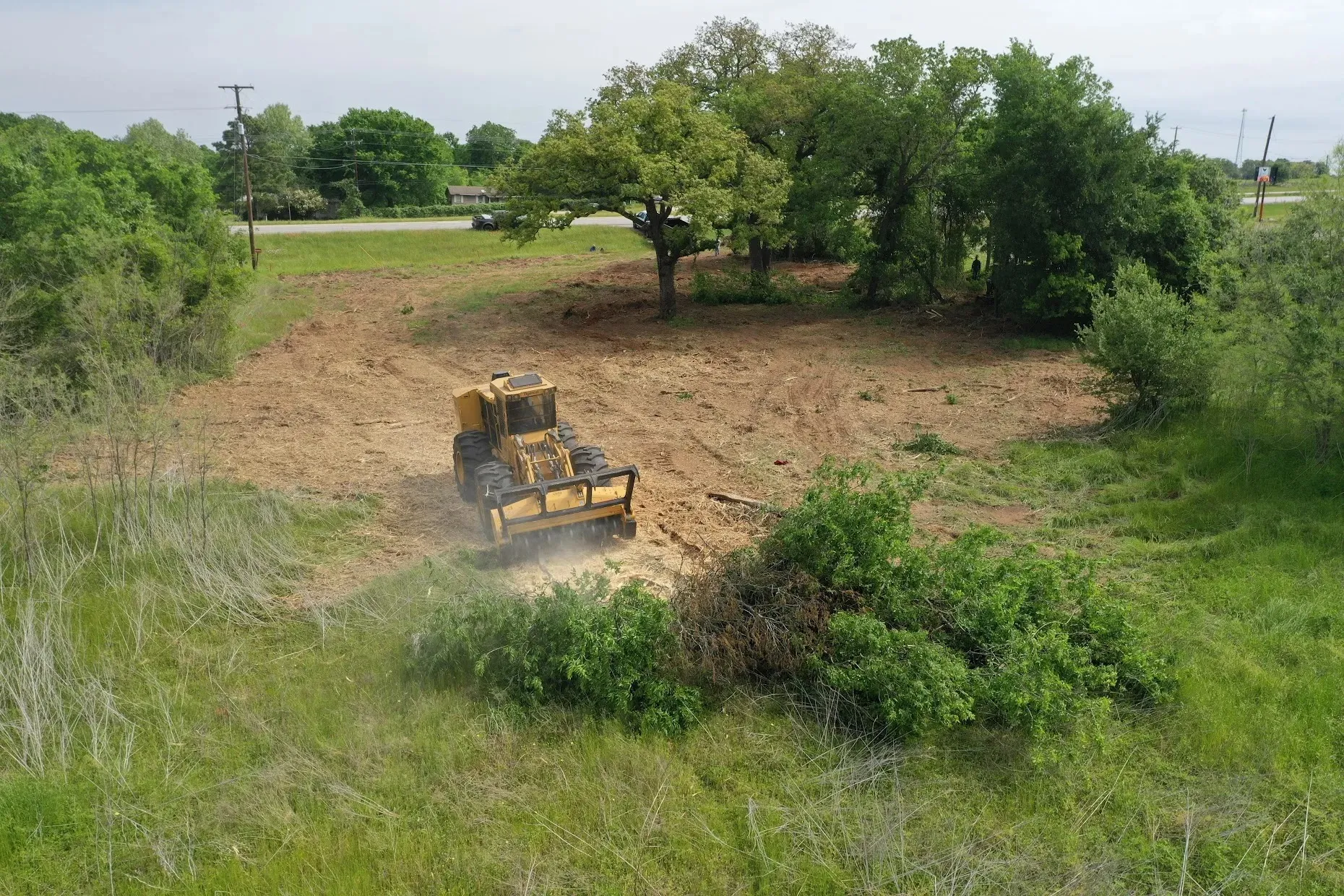
Peat extraction leads to irreversible environmental damage. Once peatlands are drained, they become barren and dry. The carbon released accelerates climate change—something we all want to slow down, especially garden lovers.
Peat Free Compost Explained
What Makes It Different?
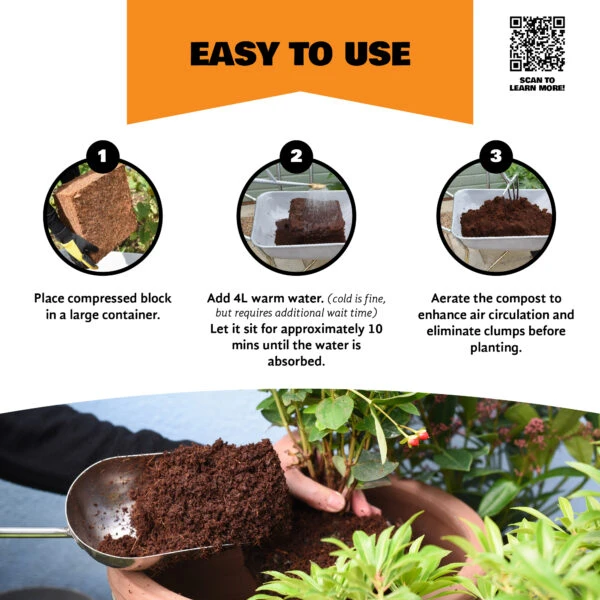
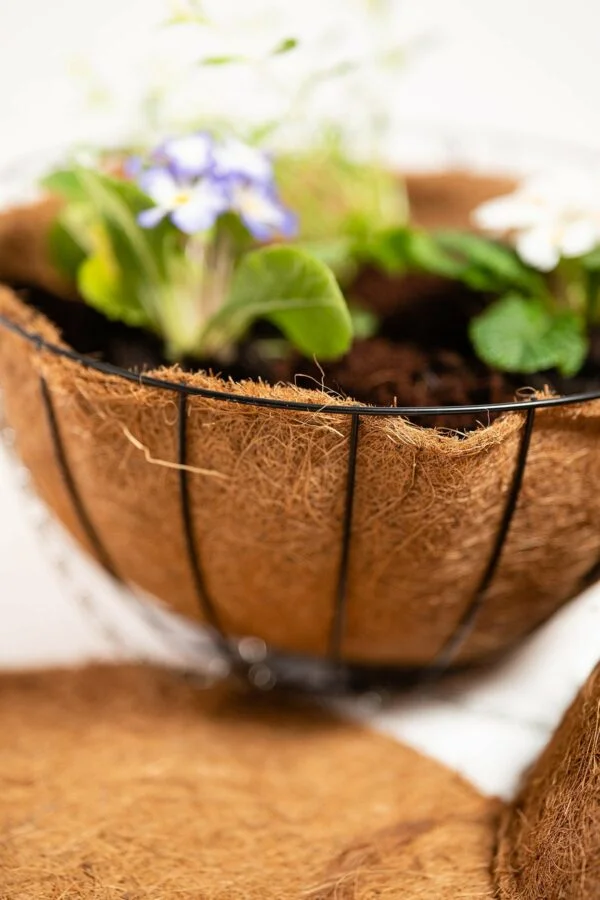
Peat free compost is made without any peat at all. Instead, it uses renewable, biodegradable, and sustainable materials like coir (coconut fibers), wood chips, bark, composted green waste, and more. The result? A guilt-free, eco-friendly way to feed your plants.
Sustainable Ingredients Used
- Coconut coir: Retains moisture well
- Composted bark: Adds structure
- Green waste: Packed with nutrients
- Wool and bracken: Often added for improved texture
Together, they create a balanced, plant-loving blend.
Advantages for Today’s Gardeners
Better for Soil Structure
Peat free compost often has a chunkier texture, improving drainage and preventing waterlogging—perfect for potted plants and raised beds.
Encourages Microbial Life
Healthy compost is full of life. Microbes in peat free mixes help decompose organic matter naturally, enriching your soil and boosting plant health.
Helps You Stay Organic
If you’re going organic, peat free is the way to go. It aligns perfectly with organic principles by avoiding chemical-laden, mined materials.
Choosing the Right Compost for Your Garden
Key Labels to Look Out For
When buying, look for:
- “100% peat free”
- “Organic certified”
- Locally sourced ingredients
Avoid vague terms like “peat-reduced”—that still includes peat.
Best Compost for Different Plants
- Seedlings: Fine-textured coir-based compost
- Flowers & Veggies: Mix with composted manure
- Houseplants: Add perlite or sand for airflow
DIY Peat Free Compost – Easy and Cost-Effective
Materials to Gather
- Kitchen waste (fruit peels, veggie scraps)
- Dry leaves or shredded paper
- Coffee grounds and eggshells
- Garden trimmings
- Rainwater (for moisture)
Simple Composting Steps
- Choose a bin or corner in your garden
- Layer greens (wet) and browns (dry)
- Turn every few days
- Keep it moist, not soggy
- In 2–3 months, you’ll have rich compost
Expert Tips for Using Peat Free Mixes
Avoiding Common Mistakes
- Don’t let it dry out—peat free mixes need a bit more watering
- Watch for clumps—break them for even texture
- Add nutrients—like seaweed or worm castings—for better results
Boosting Performance with Natural Additives
- Worm tea: Liquid gold for your compost
- Bone meal: Boosts phosphorus levels
- Comfrey leaves: Packed with potassium for flowering plants
Peat-Free Gardening in Small Spaces
Balconies, Containers & Raised Beds
Peat free compost works brilliantly in containers. Add some bark or sand for airflow, and you’re good to go—even with limited space.
Moisture Control in Urban Gardening
Urban environments can be dry. Mulching with straw or bark over peat free compost helps lock in moisture and protect roots.
Conclusion
Switching to peat free compost isn’t just a gardening upgrade—it’s a commitment to a greener planet. With the right ingredients, simple tools, and a bit of care, you can grow a thriving garden that respects nature from the soil up. Your plants will love it. The Earth will thank you.
















Sign in to leave a comment.