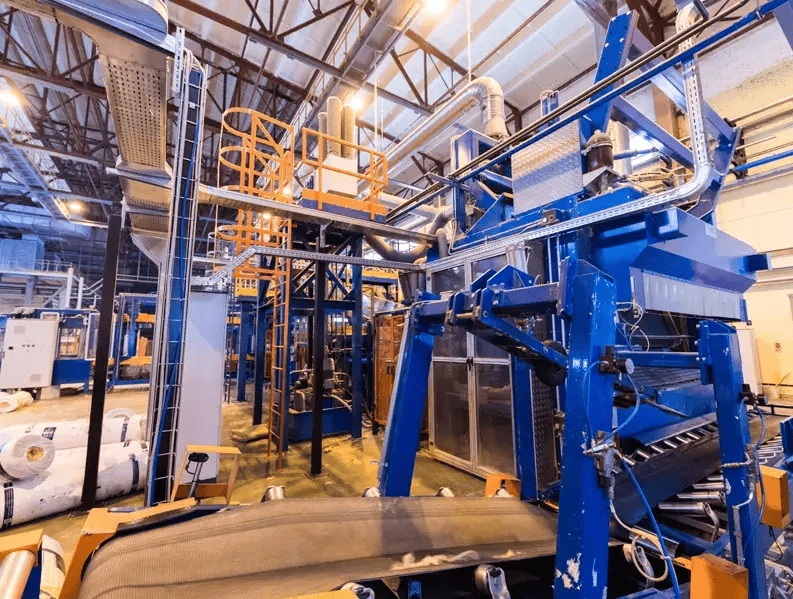

For decades, industries have relied on mechanical conveyors such as screw conveyors, belt conveyors, and bucket elevators to transport bulk materials. While these systems have served their purpose, the demands of modern manufacturing and processing plants have shifted. Today, efficiency, cleanliness, flexibility, and compliance with stricter safety and environmental standards are top priorities.
This is where pneumatic conveying systems are gaining ground. By using air or another gas stream to move bulk solids through enclosed pipelines, a pneumatic material handling system offers plants a cleaner, safer, and more adaptable material conveying system. In fact, pneumatic systems are rapidly replacing traditional mechanical conveyors across sectors like food, pharmaceuticals, chemicals, minerals, and power generation.
What is a Pneumatic Conveying System?
A pneumatic conveying system is a fully enclosed method of transporting bulk materials through pipelines using airflow. Instead of relying on belts, chains, or screws, it suspends or pushes materials with pressurised air.
Two main types are widely used:
- Dilute Phase Conveying – Low-pressure, high-velocity systems that keep particles suspended in the air stream. Best for non-abrasive and lightweight powders like flour, sugar, or plastic pellets.
- Dense Phase Conveying – High-pressure, low-velocity systems that move materials in plugs or waves. Ideal for abrasive, fragile, or heavy products such as cement, sand, fly ash, or chemicals.
This versatility makes pneumatic conveying a highly adaptable pneumatic material handling system.
How Pneumatic Conveying Differs from Mechanical Conveyors
While both technologies are designed to move materials from point A to point B, their operation and suitability differ significantly:
- Enclosed vs. Open Transport: Pneumatic systems are fully enclosed, preventing dust emissions, whereas mechanical conveyors often allow spillage and airborne particles.
- Flexibility in Routing: Pipelines can bend, rise, or extend over long distances, while mechanical conveyors require linear paths and more structural support.
- Maintenance Needs: Pneumatic systems have fewer moving parts, reducing breakdowns and downtime. Mechanical conveyors often require regular lubrication, alignment, and component replacement.
- Space Efficiency: Pneumatic pipelines are compact and can be routed overhead or underground, unlike bulky conveyor belts or screw systems.
Key Advantages of Pneumatic Conveying Systems
The growing preference for pneumatic systems is driven by several clear benefits:
- Cleaner Operation
- Enclosed pipelines eliminate dust and spillage.
- Reduced risk of contamination, critical in food and pharma plants.
- Worker Safety
- Minimises exposure to hazardous or toxic materials.
- Complies with modern occupational safety standards.
- Lower Maintenance
- Few moving parts mean reduced wear and simpler upkeep.
- Less downtime compared to chain or belt failures in mechanical conveyors.
- Flexibility
- Easy to expand or modify with additional pipeline routing.
- Can handle vertical, horizontal, or multi-directional conveying.
- Energy & Efficiency
- Though energy-intensive, optimised systems balance power use with consistent throughput.
- Reduces secondary costs like cleaning and product loss.
Applications of Pneumatic Material Handling Systems Across Industries
Pneumatic systems are versatile, supporting a wide range of applications:
- Food & Beverage: Conveying flour, sugar, grains, spices, and additives under hygienic conditions.
- Pharmaceuticals: Moving powders and active ingredients in contamination-free pipelines.
- Power Plants: Transporting fly ash from boilers to silos or disposal points.
- Cement & Minerals: Handling abrasive powders such as cement, lime, and sand.
- Plastics: Feeding plastic pellets and powders into moulding and extrusion processes.
- Chemicals: Safely conveying hazardous powders and fine chemicals with minimal operator exposure.
Why More Plants are Transitioning to Pneumatic Conveying
Modern plants demand efficiency, flexibility, and compliance. Pneumatic conveying meets these needs better than mechanical systems in many scenarios.
- Stricter Regulations: Enclosed conveying helps meet environmental and occupational health norms.
- Operational Efficiency: Less downtime, fewer moving parts, and reduced maintenance costs.
- Future-Ready Plants: Flexible pipeline systems support plant expansions and process modifications.
- Cleaner Work Environments: Reduced dust emissions align with sustainable, worker-friendly workplaces.
For industries where product integrity, safety, and uptime are critical, a pneumatic material handling system is fast becoming the default choice.
Bottom Line
The transition from mechanical conveyors to pneumatic conveying systems reflects the evolving priorities of modern plants. Where mechanical conveyors once dominated, industries now value the cleaner operation, flexibility, and long-term reliability of pneumatic systems.
By adopting a pneumatic material handling system, companies not only improve their material conveying system efficiency but also ensure compliance, worker safety, and future scalability. In short, pneumatic conveying is no longer just an alternative; it is becoming the standard for modern industrial operations.






















Sign in to leave a comment.