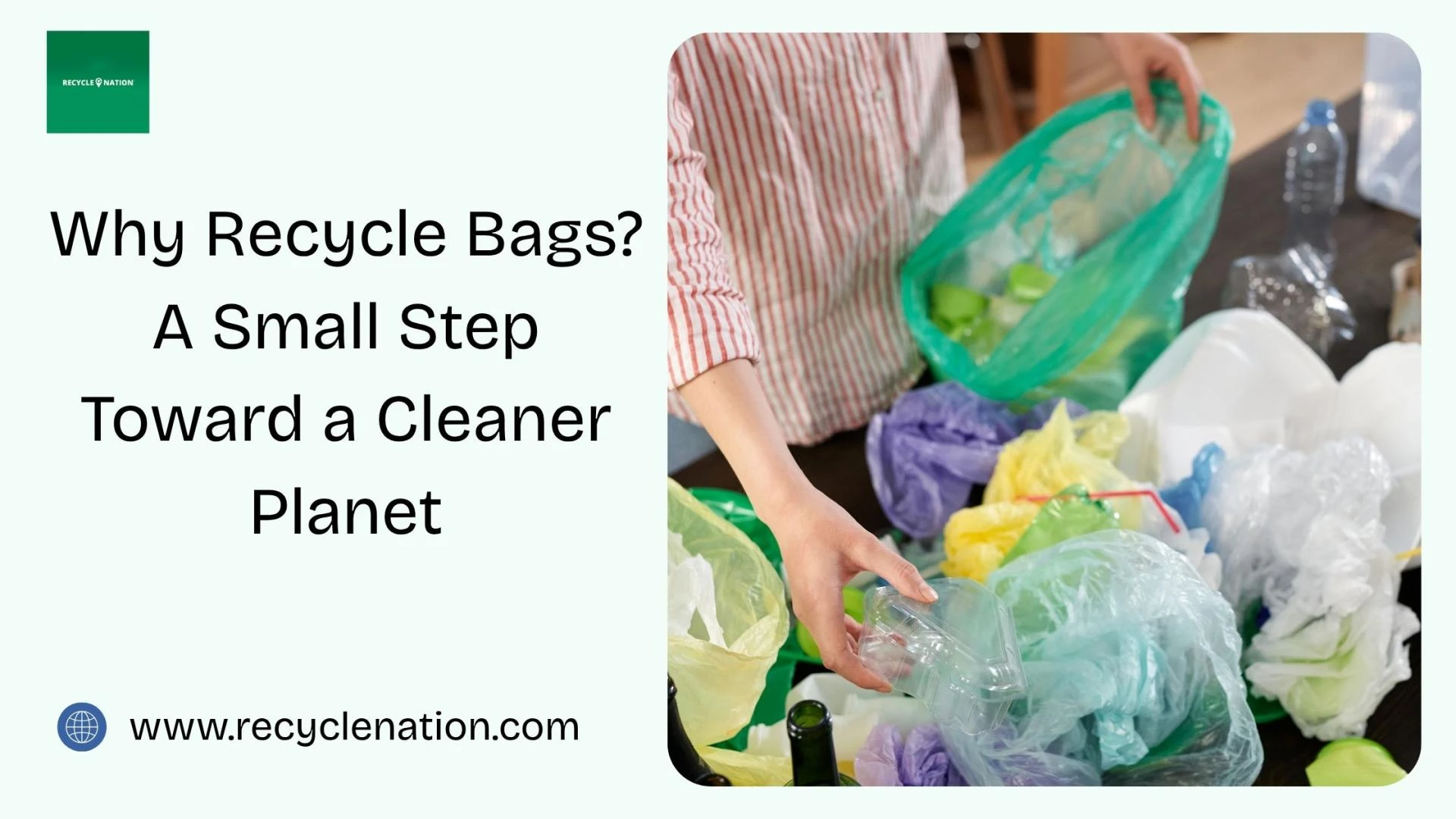

Plastic bags are everywhere, from grocery stores to retail shops, and they often end up harming our environment. Although they appear harmless because of their lightweight nature, plastic bags are among the most persistent forms of pollution, taking hundreds of years to decompose. This is why it is essential to understand how to properly dispose of them and why learning how to recycle bags is so important.
Unlike items like bottles or cans, plastic bags are not accepted in most curbside recycling bins. They require special collection points, often located at supermarkets or dedicated recycling drop-off centers. Recycling these bags not only helps reduce landfill waste but also protects wildlife, which can ingest or become entangled in them.
Recycled plastic bags can be transformed into useful products such as composite lumber, new plastic bags, and even clothing fibers. This helps save energy and raw materials that would otherwise be used in the production of new plastic items.
Here are a few tips for recycling plastic bags the right way:
- Keep a separate container for used plastic bags at home
- Take them to a store that offers a plastic bag recycling bin
- Make sure the bags are clean and dry before recycling
- Use reusable cloth or jute bags to reduce plastic consumption
- Support businesses and local efforts that encourage responsible bag recycling
Making conscious choices every day can lead to long-term environmental benefits. Recycling plastic bags may seem like a small act, but it contributes to reducing plastic waste, conserving resources, and promoting a cleaner environment.
To learn more about recycling different materials and adopting sustainable habits, visit RecycleNation for practical tips, guides, and resources on how to make recycling part of your everyday life.
























Sign in to leave a comment.