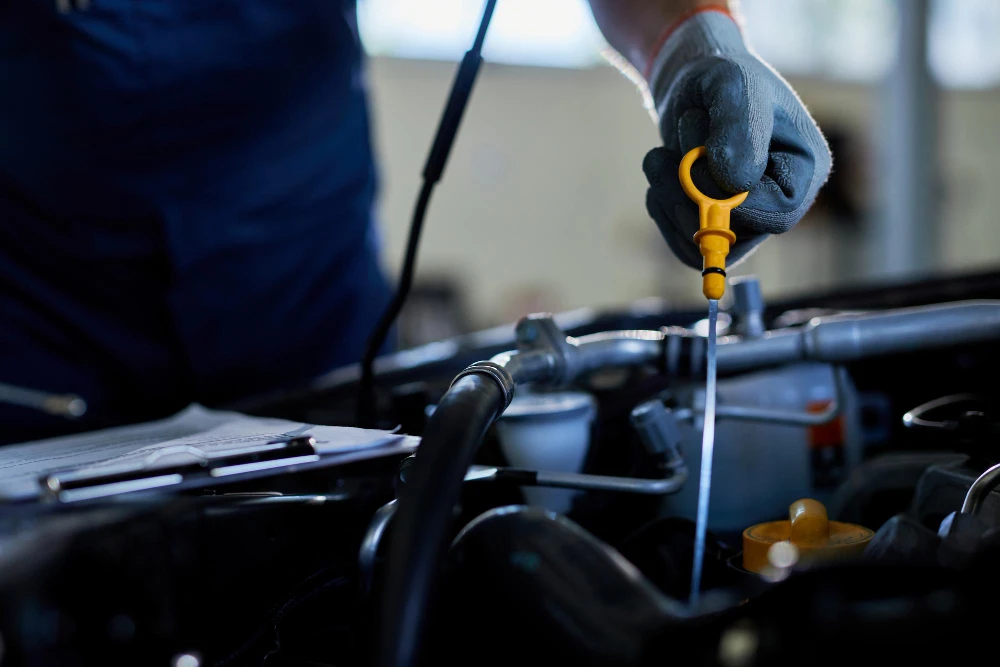
When it comes to maintaining your vehicle, many drivers focus on major repairs and overlook the simplest—and most important—service of all: regular oil changes. While an oil change may seem routine, it plays a critical role in keeping your engine healthy, improving performance, and preventing costly breakdowns. In fact, regular oil changes are the foundation of preventive auto maintenance and one of the smartest investments you can make in your vehicle’s long-term reliability.
What Engine Oil Really Does
Engine oil does far more than just lubricate moving parts. It performs several essential functions that keep your vehicle running smoothly:
- Reduces friction between engine components
- Prevents overheating by dispersing heat
- Removes dirt and debris that can cause wear
- Protects against corrosion and sludge buildup
Over time, oil breaks down and becomes contaminated with dirt, metal particles, and combustion byproducts. Once this happens, it can no longer protect your engine effectively—which is why timely oil changes are essential.
Why Oil Changes Are Preventive, Not Just Routine
Preventive maintenance is all about addressing small issues before they turn into expensive repairs. Regular oil changes help prevent:
- Premature engine wear
- Sludge buildup that restricts oil flow
- Overheating and increased friction
- Reduced fuel efficiency
- Engine failure in extreme cases
Skipping oil changes may save a little money in the short term, but it often leads to thousands of dollars in repairs later. A simple oil change is far less expensive than replacing engine components damaged by dirty or degraded oil.
How Oil Changes Extend Engine Life
Engines are built with tight tolerances, and clean oil is critical to maintaining them. Fresh oil keeps internal parts properly lubricated, reducing metal-on-metal contact. This minimizes wear and helps engines last well beyond 200,000 miles when maintained properly.
Vehicles that receive regular oil changes tend to:
- Run smoother and quieter
- Maintain better compression
- Deliver consistent performance over time
This is why mechanics universally recommend oil changes as the first line of defense in vehicle maintenance.
Oil Changes Improve Performance and Fuel Efficiency
Dirty oil forces your engine to work harder, increasing fuel consumption. Clean oil reduces internal resistance, allowing the engine to operate efficiently. Drivers who stay on schedule with oil changes often notice:
- Improved throttle response
- Better gas mileage
- Smoother acceleration
If you’re noticing reduced performance or poor fuel efficiency, it may be time to schedule an oil change in Keller, TX to restore optimal engine operation.
Local Driving Conditions Matter
Driving habits and local conditions significantly affect how often oil should be changed. Stop-and-go traffic, short trips, extreme heat, and dusty roads all accelerate oil breakdown.
In areas like North Texas, where high temperatures are common, oil can degrade faster. That makes staying consistent with oil change intervals especially important. Choosing a professional oil change ensures your vehicle gets the right oil type and service based on local driving conditions.
Professional Oil Changes Go Beyond Just Oil
A professional oil change isn’t just about draining and refilling oil. Most reputable auto repair shops include a multi-point inspection that helps identify potential issues early. This may include checking:
- Oil filter condition
- Fluid levels
- Belts and hoses
- Engine leaks
- Tire pressure
These inspections add another layer of preventive care, helping catch problems before they become emergencies.
How Often Should You Change Your Oil?
While modern vehicles often go longer between oil changes, the right interval depends on several factors:
- Vehicle age and mileage
- Engine type
- Oil type (synthetic vs conventional)
- Driving habits
Most vehicles require oil changes every 3,000–7,500 miles, but a trusted mechanic can recommend the best schedule for your specific car.
If you’re unsure, a professional oil change in Keller, TX can help you determine the ideal maintenance plan for your vehicle.
The Bottom Line
Regular oil changes are not optional—they are essential. They protect your engine, improve performance, extend vehicle life, and save you money by preventing major repairs. As the foundation of preventive auto maintenance, oil changes keep your vehicle reliable, efficient, and road-ready year-round.
If you want to protect your investment and avoid unnecessary breakdowns, staying consistent with oil changes is the simplest and most effective step you can take. Schedule your next oil change today and keep your vehicle running at its best.





























Sign in to leave a comment.