Your car talks to you more than you think. It hums, clicks, whirs, and sometimes screams for attention. While some sounds are harmless, others are early warning signs of serious (and expensive) problems. Ignoring unusual noises can turn a small repair into a major breakdown.
If you’ve been debating whether that strange sound is “probably nothing,” this guide is for you. Here are 10 car noises you should never ignore — and what they usually mean.
1. Squealing or Screeching When You Brake
A high-pitched squeal when pressing the brake pedal is one of the most common warning signs drivers experience. In most cases, it means your brake pads are worn down and need replacement.
Brake pads are designed with wear indicators that produce a squealing sound to alert you before damage spreads. If ignored, the noise may turn into a grinding sound — which means metal is contacting metal, potentially damaging your rotors.
The longer you wait, the more expensive the repair becomes.
2. Grinding Sounds While Braking
If the squeal turns into grinding, you’re in urgent territory. Grinding usually indicates that your brake pads are completely worn out and the calipers are scraping against the rotors.
Driving in this condition can:
- Reduce braking power
- Damage rotors beyond repair
- Increase stopping distance
This is not something to postpone.
3. Knocking or Pinging From the Engine
A knocking or pinging noise coming from the engine can signal several serious issues, including:
- Low-quality fuel
- Incorrect ignition timing
- Carbon buildup
- Failing rod bearings
Engine knocking often indicates improper combustion inside the cylinders. If left unresolved, it can cause significant internal engine damage.
If you hear persistent knocking, especially during acceleration, it’s best to have it inspected immediately.
4. Clicking When You Turn
A rhythmic clicking noise while turning is often associated with a failing CV (constant velocity) joint. CV joints connect your transmission to the wheels and allow flexibility while turning.
When the protective boot cracks and grease leaks out, the joint wears down quickly.
If the joint fails completely, you could lose power to the wheels. Addressing it early prevents more costly axle replacements.
5. Hissing Under the Hood
A hissing sound may indicate:
- A vacuum leak
- A coolant leak
- An overheating engine
- A pressure release from the radiator
If the sound is accompanied by rising temperature gauges or steam, pull over safely. Driving with a coolant leak can lead to engine overheating, which may cause head gasket failure or warped engine components.
6. Rattling Under the Car
A rattling noise beneath your vehicle could point to:
- A loose exhaust component
- A failing catalytic converter
- A loose heat shield
While some rattles are minor, others involve critical emissions components. A damaged catalytic converter, for example, can affect engine performance and fuel efficiency.
If you notice rattling that increases with acceleration, it’s time for an inspection.
7. Whining When Accelerating
A whining or howling noise during acceleration can indicate transmission trouble. It may signal:
- Low transmission fluid
- Worn gears
- Failing bearings
Transmission repairs are among the most expensive automotive fixes, so early diagnosis is crucial. If you hear whining that changes pitch with speed, don’t ignore it.
Many experienced auto repair shops in Keller, TX see transmission issues that started as minor fluid leaks but became major repairs because they were ignored.
8. Thumping or Flapping While Driving
A rhythmic thumping noise could be as simple as a tire issue — or something more serious.
Common causes include:
- Uneven tire wear
- Tire separation
- Loose lug nuts
- Suspension problems
If the sound changes with vehicle speed, especially at higher speeds, have your tires and suspension inspected promptly. Driving on a compromised tire can lead to a blowout.
9. Loud Roaring or Rumbling
A deep roaring noise that gets louder as you accelerate might indicate:
- Exhaust system damage
- A failing muffler
- Wheel bearing issues
Wheel bearings, in particular, can create a growling sound that increases with speed and changes when turning.
Ignoring bad wheel bearings can lead to wheel instability, which is a serious safety concern.
Reliable auto repair shops often recommend immediate inspection when customers describe roaring or humming that changes with speed.
10. Sudden Backfiring
A backfire — a loud popping or banging from the exhaust — typically signals a fuel-air imbalance in the engine.
Possible causes include:
- Faulty spark plugs
- Bad ignition coils
- Fuel injection problems
- Exhaust leaks
While one isolated pop might not be catastrophic, repeated backfiring should not be ignored. It can reduce engine efficiency and potentially damage emissions components.
Why You Should Never “Wait and See”
Car noises rarely fix themselves. In most cases, they gradually worsen.
Here’s why quick action matters:
- Small brake issues become full rotor replacements
- Minor leaks become engine overheating
- Worn bearings lead to drivetrain failure
- Low fluid levels damage major systems
Catching problems early typically means lower repair costs and less downtime.
When to Seek Professional Inspection
If a sound is:
- New
- Getting louder
- Accompanied by warning lights
- Paired with performance changes
- Affecting steering or braking
It’s time to have it checked.
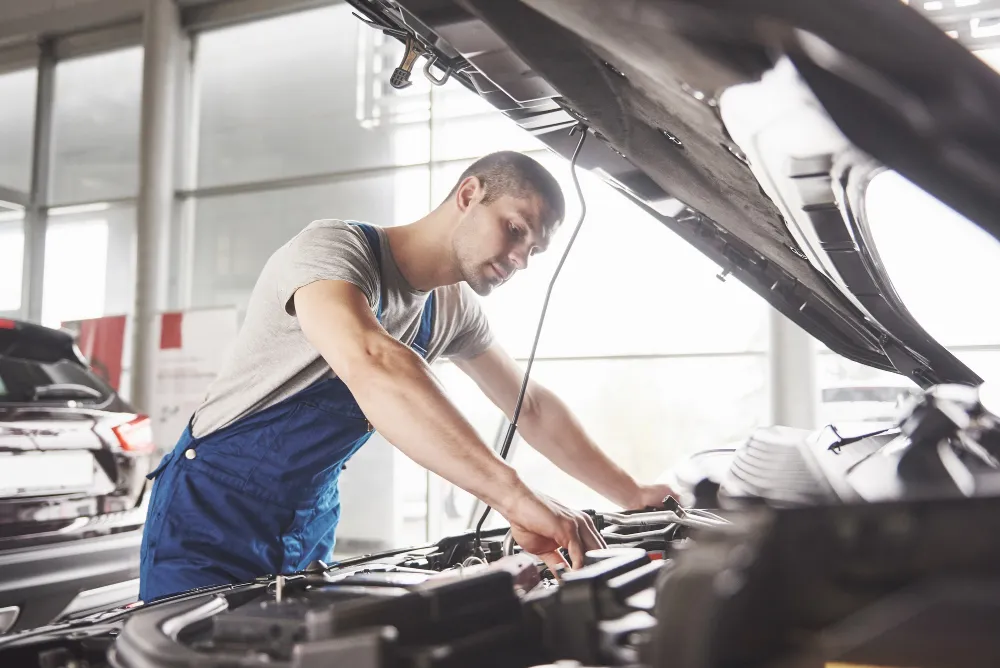
Professional technicians use diagnostic tools and physical inspections to pinpoint the issue accurately. Guessing based on sound alone can lead to misdiagnosis.
Drivers often search for trusted auto repair shops in Keller, TX when unusual sounds appear because early inspections prevent breakdowns and expensive surprises.
Final Thoughts
Your vehicle communicates through sound. Squeals, knocks, rattles, and hums are not random — they are warning signals. While not every noise signals disaster, the ones listed above should never be ignored.
Prompt attention keeps you safe, protects your investment, and prevents small issues from becoming major mechanical failures.
If your car has started making unfamiliar sounds, don’t wait until you’re stranded on the side of the road. Listening early can save you thousands — and keep your vehicle running smoothly for years to come.

























Sign in to leave a comment.